
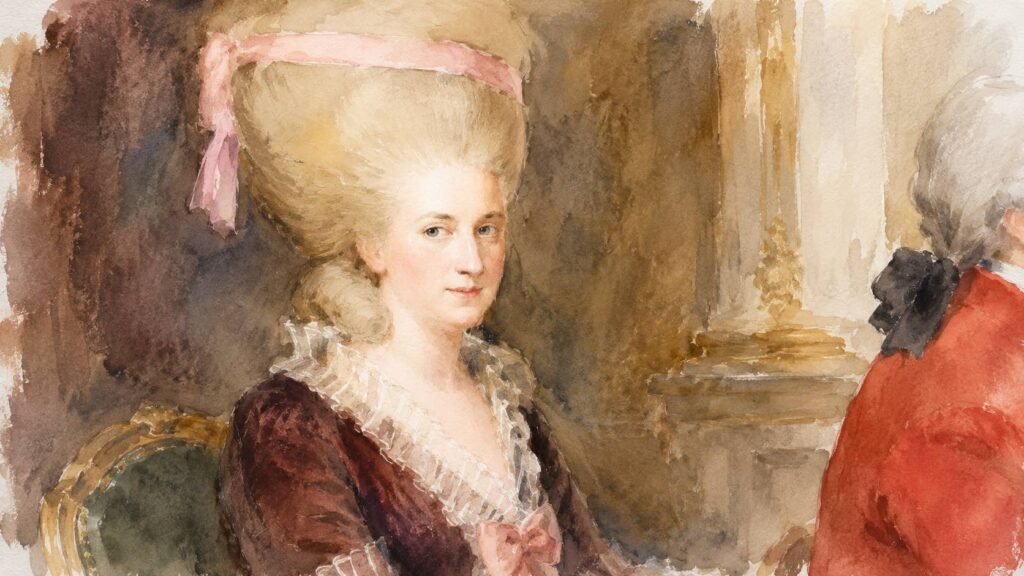
The Erased Genius of Maria Anna Mozart
Maria Anna Mozart (30 July 1751 – 29 October 1829), affectionately known to her family as “Nannerl,” remains one of […]
The Erased Genius of Maria Anna Mozart Read More »
Maria Anna Mozart (30 July 1751 – 29 October 1829), affectionately known to her family as “Nannerl,” remains one of […]
The Erased Genius of Maria Anna Mozart Read More »
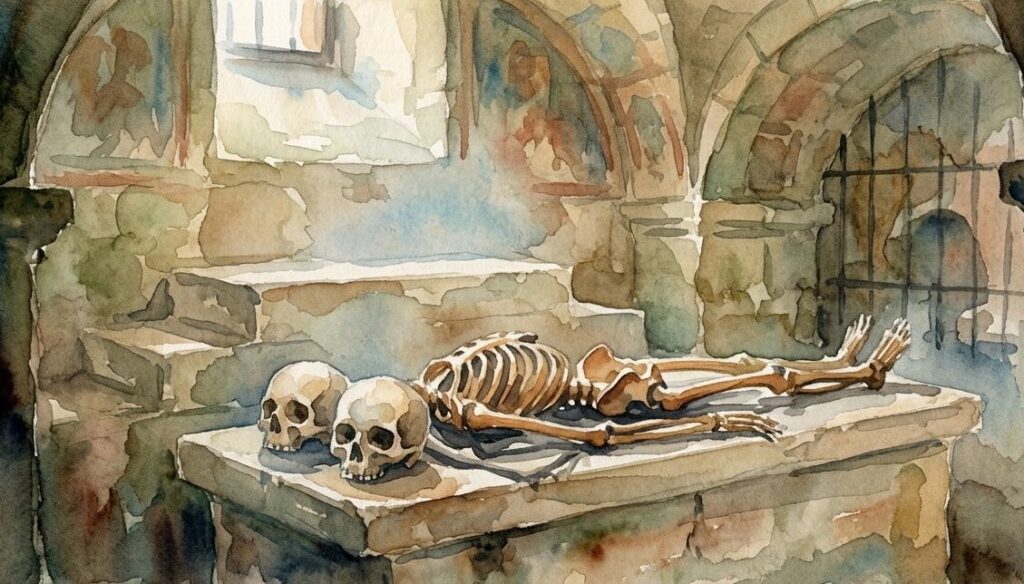
Joseph Haydn is rightfully remembered as a titan of Western classical music. The “Father of the Symphony” and the “Father
The Composer with Two Heads: The Bizarre Macabre Afterlife of Joseph Haydn Read More »
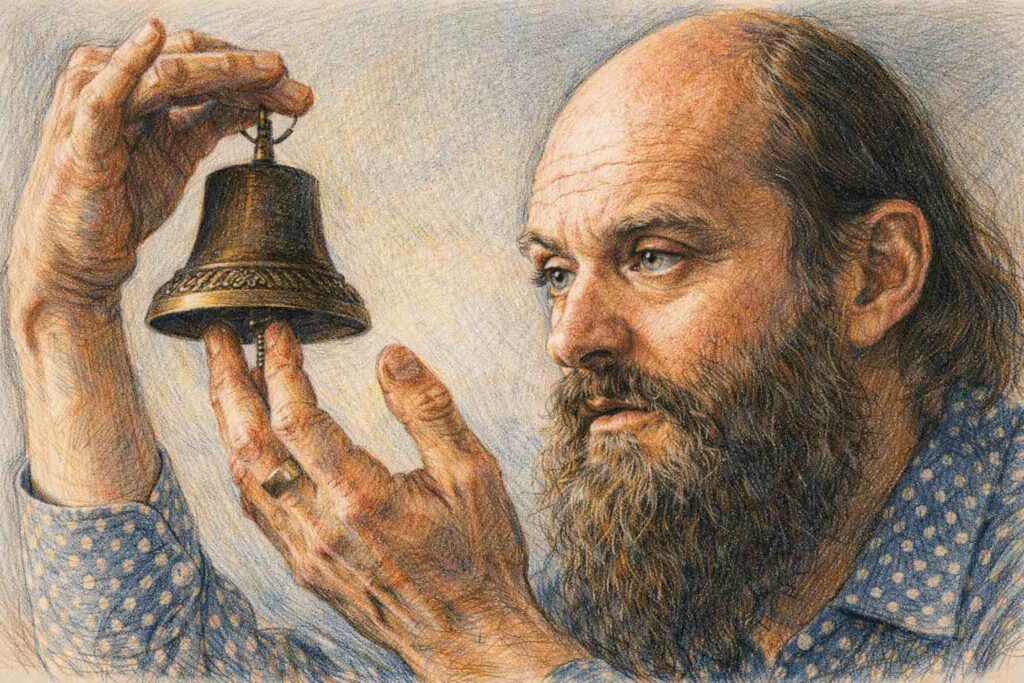
In 2026, Arvo Pärt’s intimate piano work Für Alina will celebrate its 50th anniversary. To mark this milestone, the Arvo Pärt Centre is hosting a
Für Alina Turns 50: A Call for Listener Stories Read More »
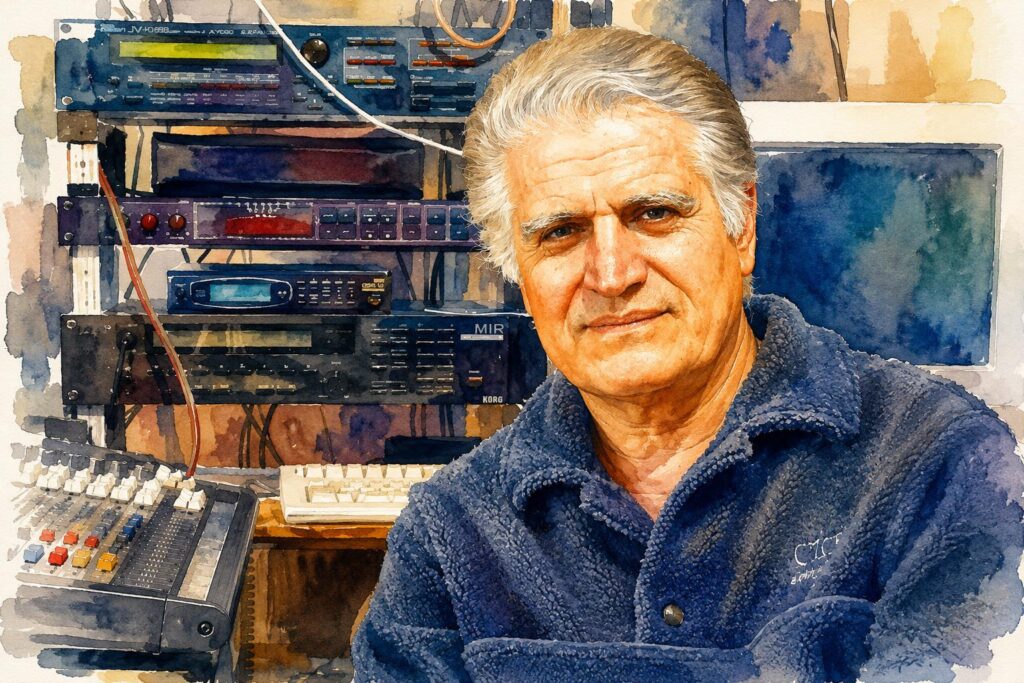
Ahmad Pejman (9 July 1935 – 29 August 2025) stands as one of the most towering and transformative figures in
Ahmad Pejman and the Architecture of Iranian Opera Read More »

Veljo Tormis (7 August 1930 – 21 January 2017) stands as one of the most singular and monumental pillars in
Veljo Tormis: The Voice of Estonian Choral Soul Read More »
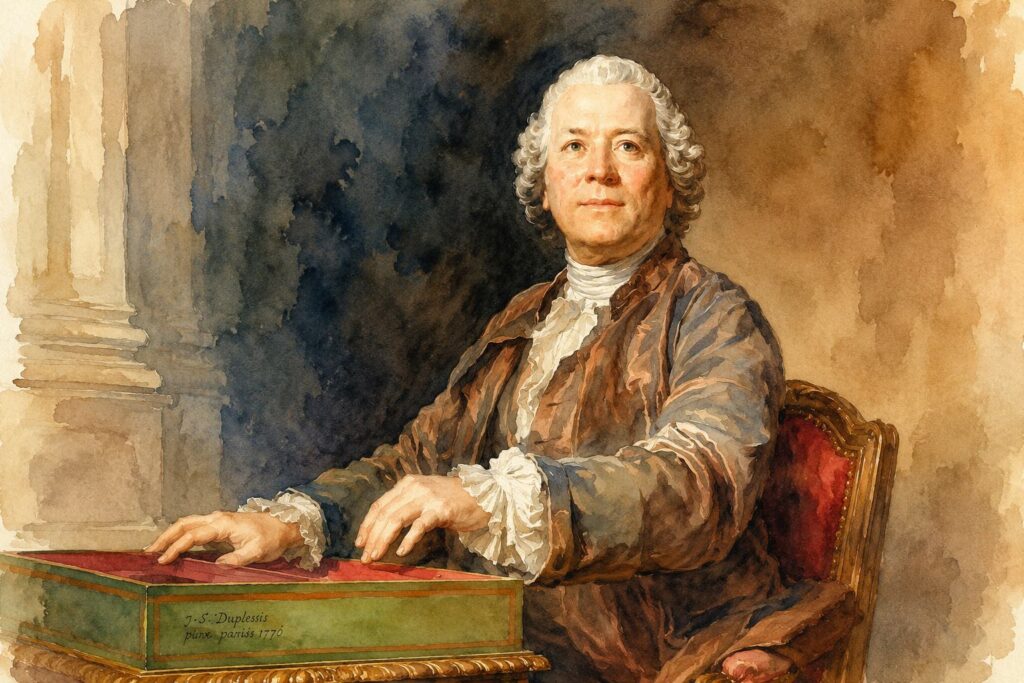
Christoph Willibald Gluck (2 July 1714 – 15 November 1787) was a towering figure of the eighteenth century whose radical
Christoph Willibald Gluck: The Operatic Composer Read More »
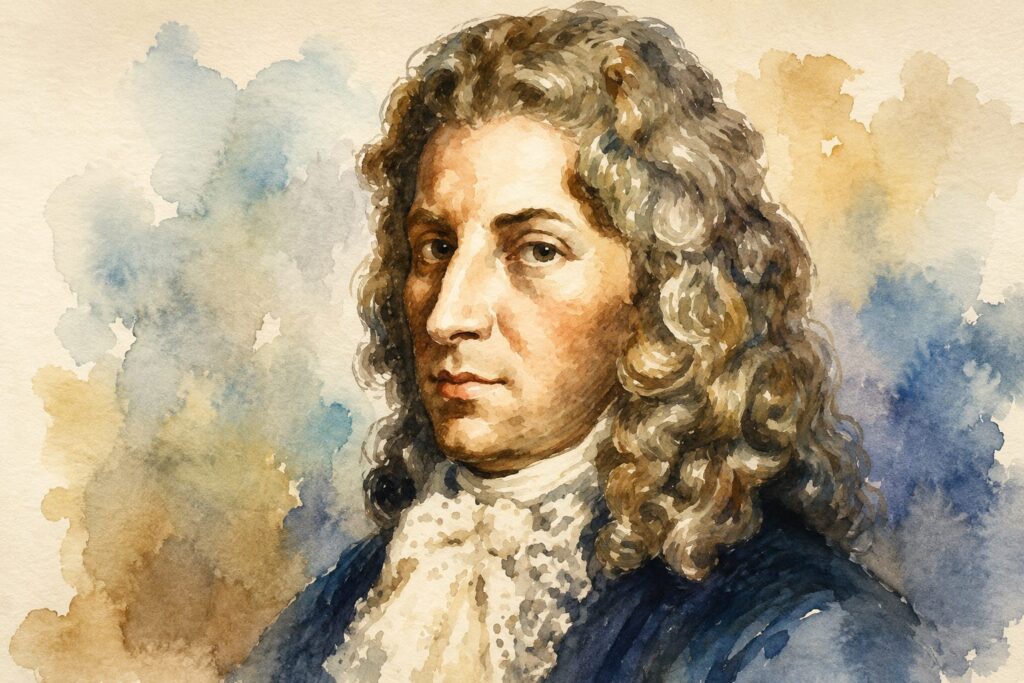
Johann Stamitz (18 June 1717 – 27 March 1757) was a transitional colossus of the mid-eighteenth century whose radical innovations
Johann Stamitz: The Bohemian Genius Who Sparked Classical Music Read More »
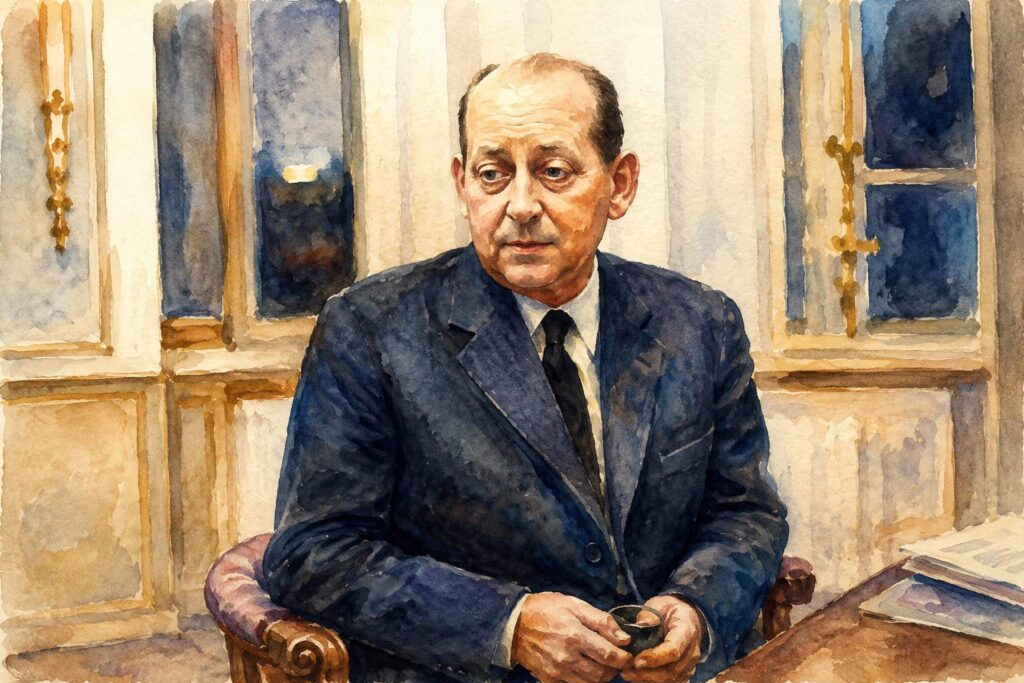
Eduard Tubin (18 June 1905 – 17 November 1982) is widely celebrated as a giant among Estonian composers, yet his
Eduard Tubin: The Unsung Master of the Symphony Read More »
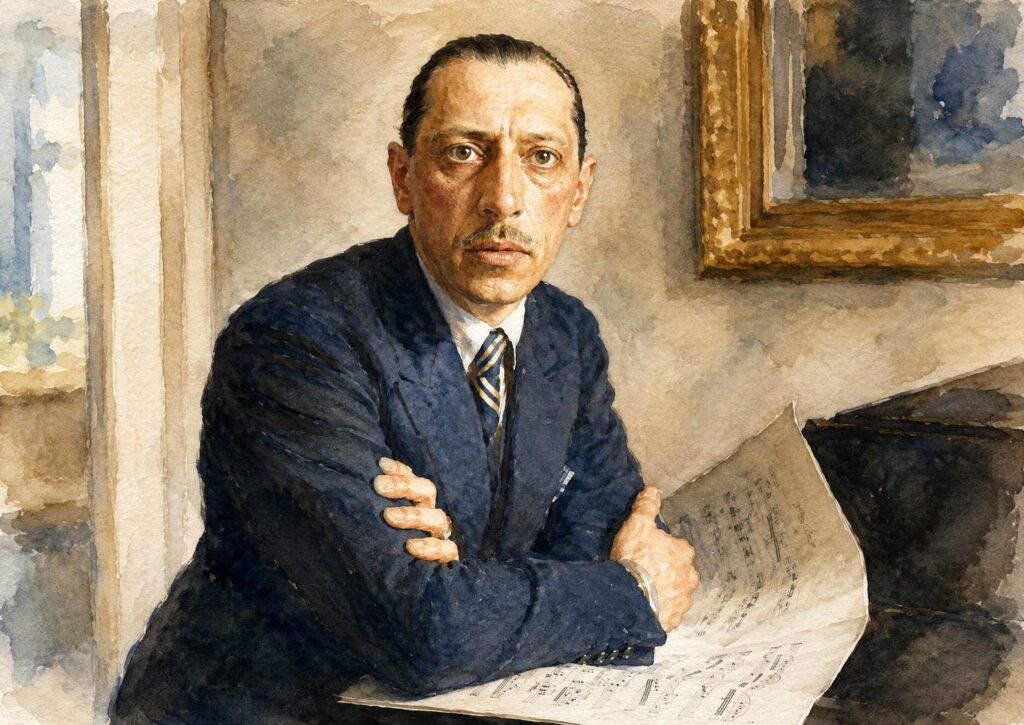
Igor Stravinsky (17 June 1882 – 6 April 1971) was a towering catalyst of twentieth-century modernism, widely regarded as one
Igor Stravinsky – the Architect of the Sound Read More »
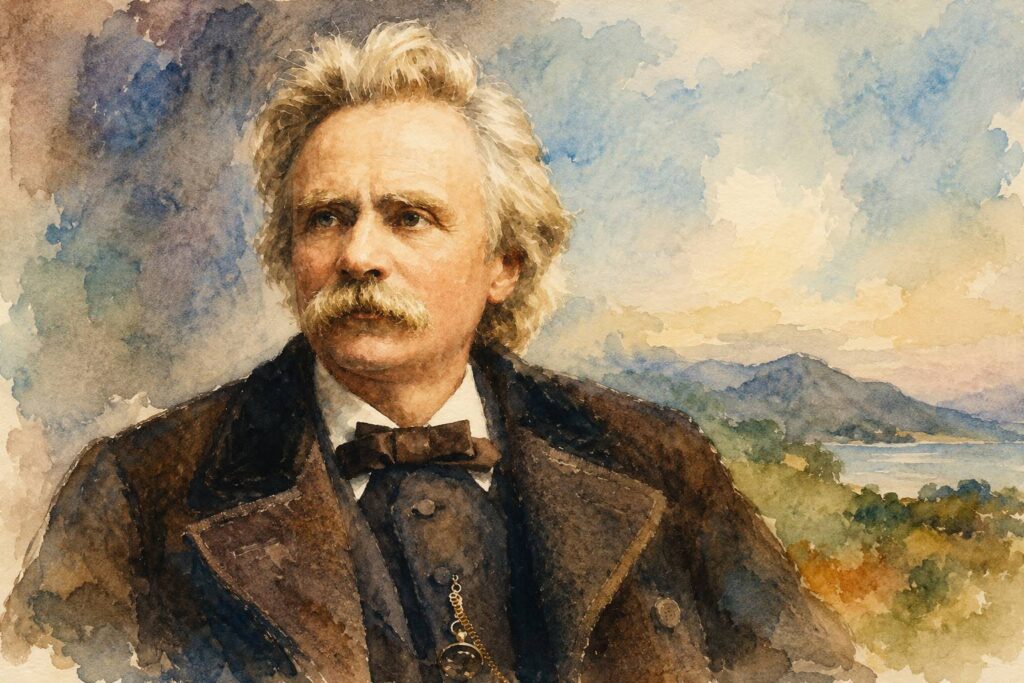
To listen to the music of Edvard Grieg (15 June 1843 – 4 September 1907) is to walk through the
Edvard Grieg: The Voice of Romantic Norway Read More »
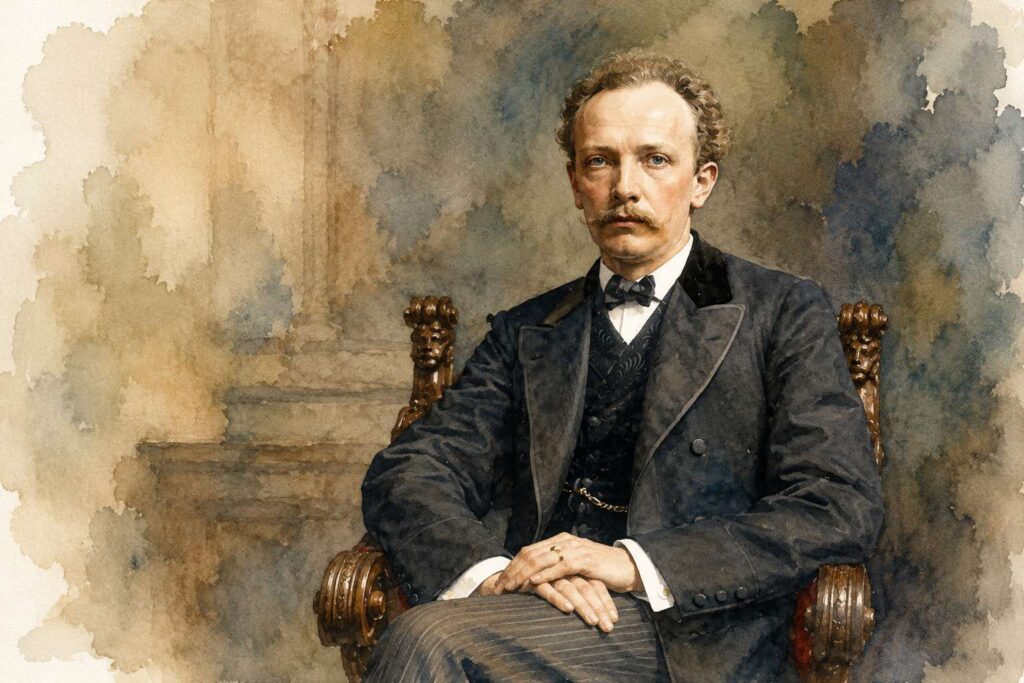
Richard Strauss (11 June 1864 – 8 September 1949) was one of the few figures in Western classical music to
Richard Strauss: The Architect of Late-Romantic Modernism Read More »
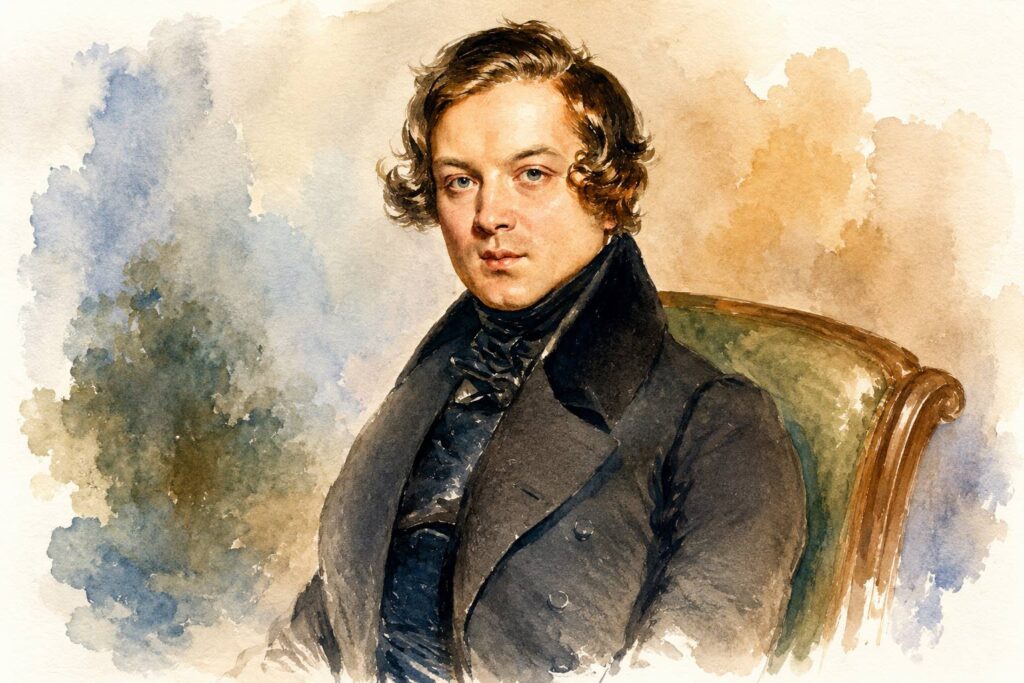
Few figures embody the spirit of the European Romantic movement as completely, or as tragically, as Robert Schumann (8 June
Robert Schumann: The Fractured Genius of Romanticism Read More »
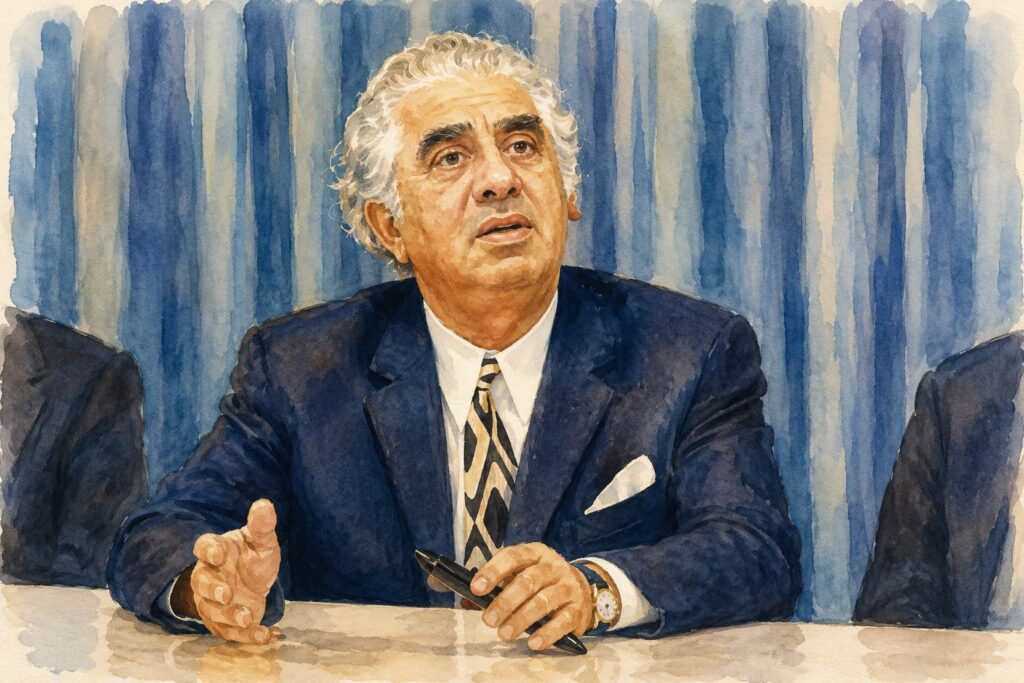
In the landscape of twentieth-century classical music, few composers managed to marry the rigorous architecture of the European symphonic tradition
Aram Khachaturian: Architect of Armenian Classical Music Read More »
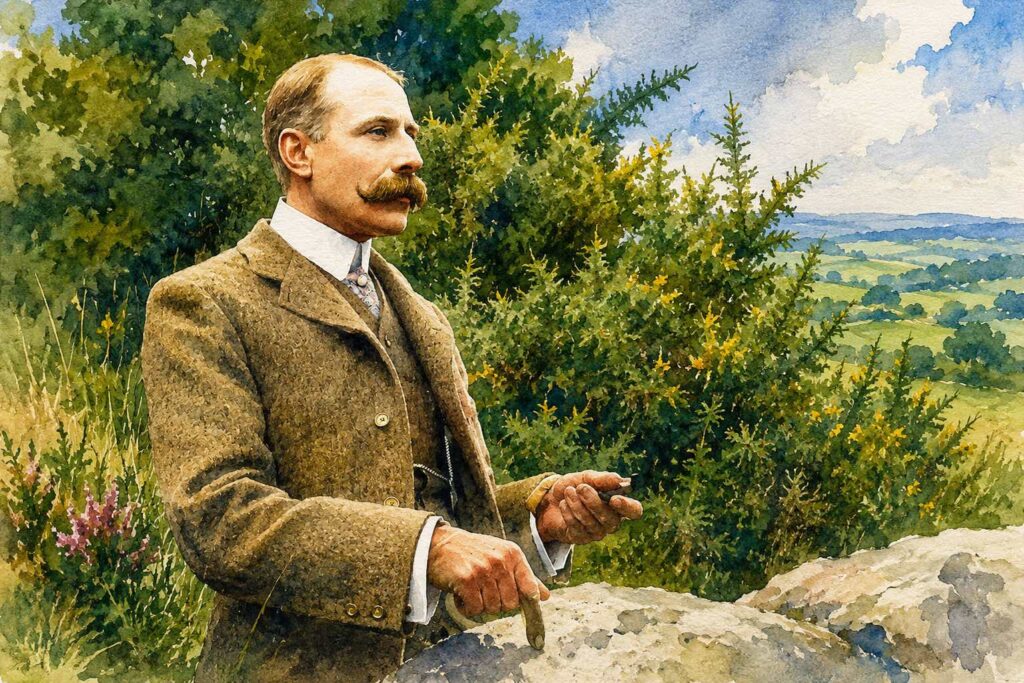
For nearly two centuries following the death of Henry Purcell in 1695, mainland European critics frequently referred to Britain as
Edward Elgar and the Sound of Modern Britain Read More »
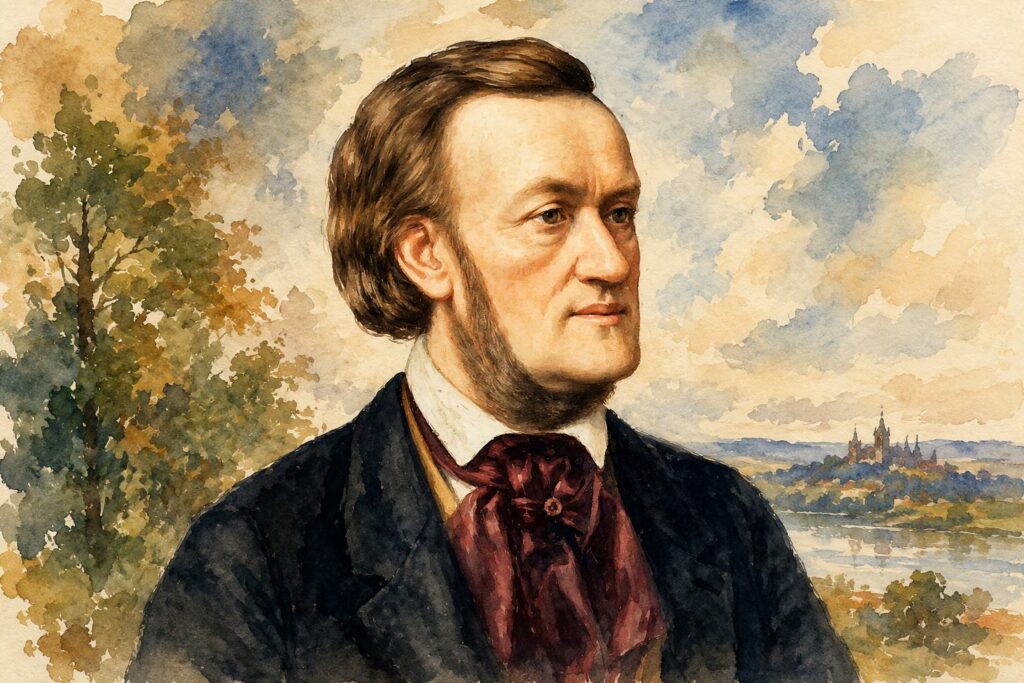
Few figures in the history of Western civilization provoke as much intense fascination, artistic reverence, and moral repulsion as Wilhelm
Richard Wagner, The Architect of the Total Work of Art Read More »
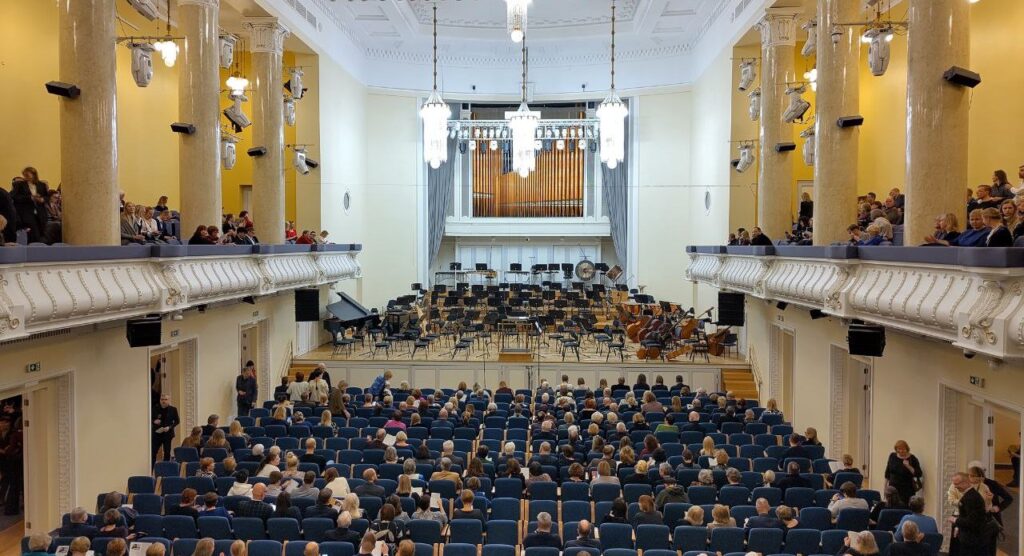
When did classical music become a decorative act rather than a dangerous one? From the era of Ludwig van Beethoven
When Classical Music Stopped Being Dangerous Read More »
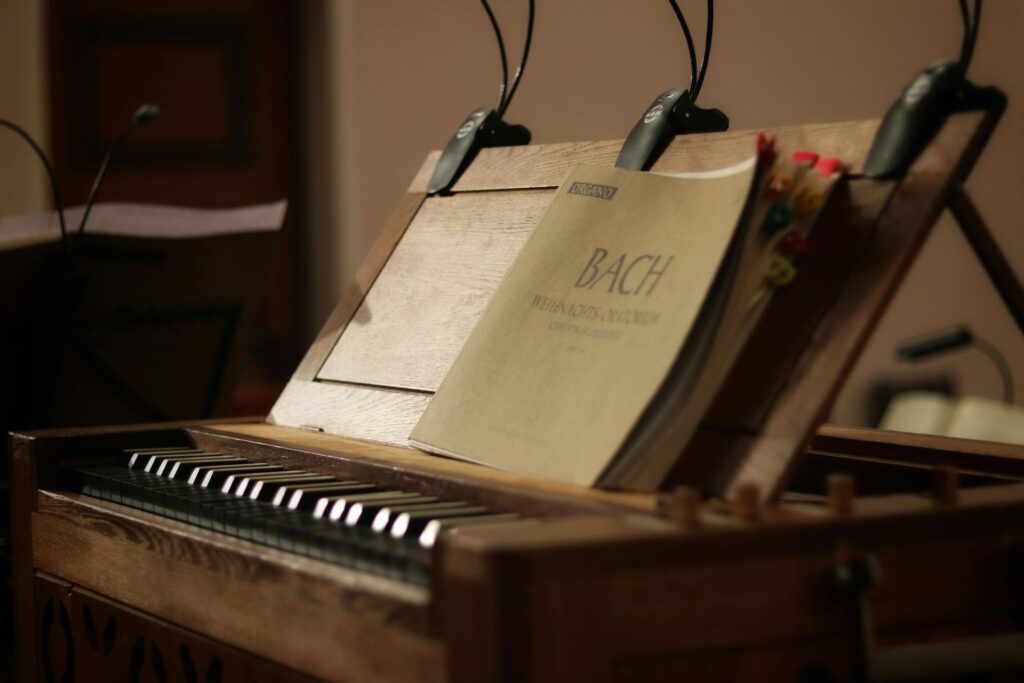
Johann Sebastian Bach is the most‑referenced composer in Western classical music, yet his works are almost always cited by the abbreviation BWV—Bach‑Werke‑Verzeichnis—rather
Why Bach Uses BWV, Not Opus Read More »
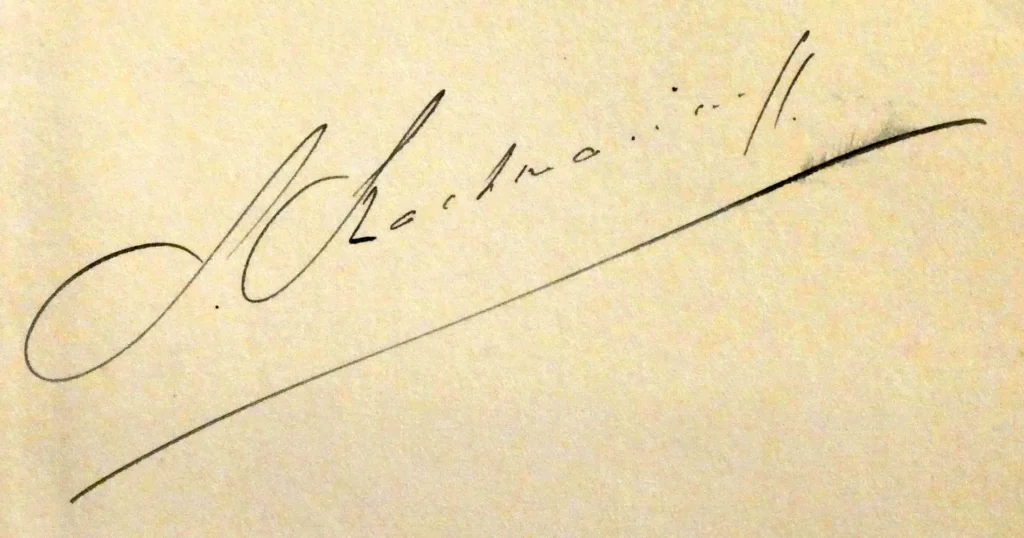
When a program lists Prelude in C‑Sharp Minor, Op. 3, No. 2 by Sergei Rachmaninoff, a quick web‑search will also bring up Rachmaninov. The difference is
Which one is it, Rachmaninoff or Rachmaninov? Read More »
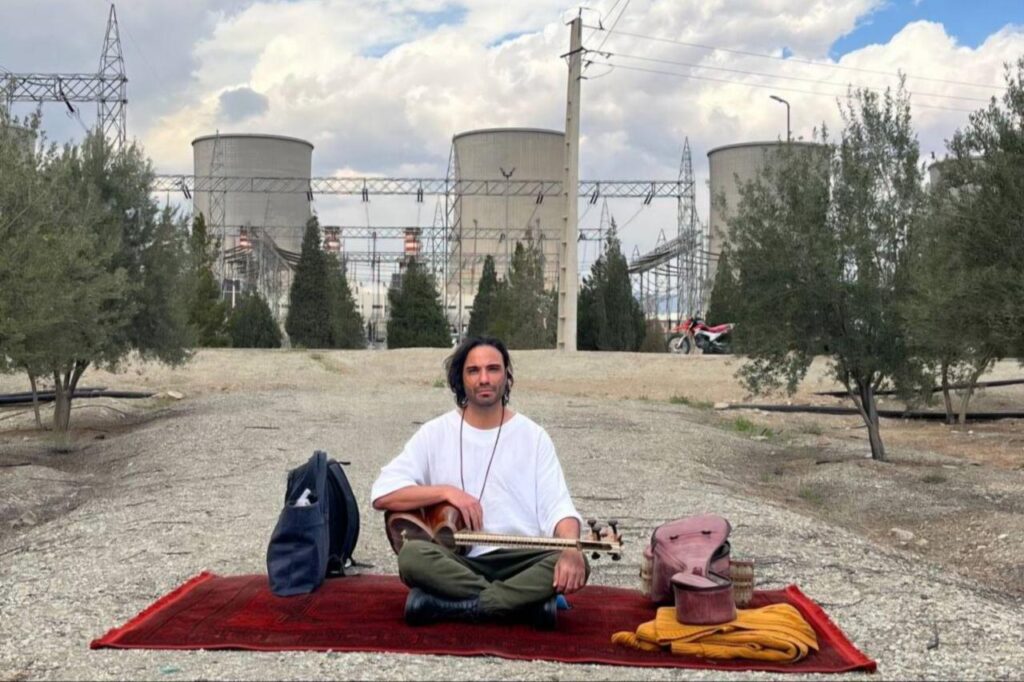
Under the shadow of the ongoing bombardment by the United States and Israel, and facing explicit threats to destroy Iran’s
Iranian Music Stands Against Israeli-American Terrorism Read More »
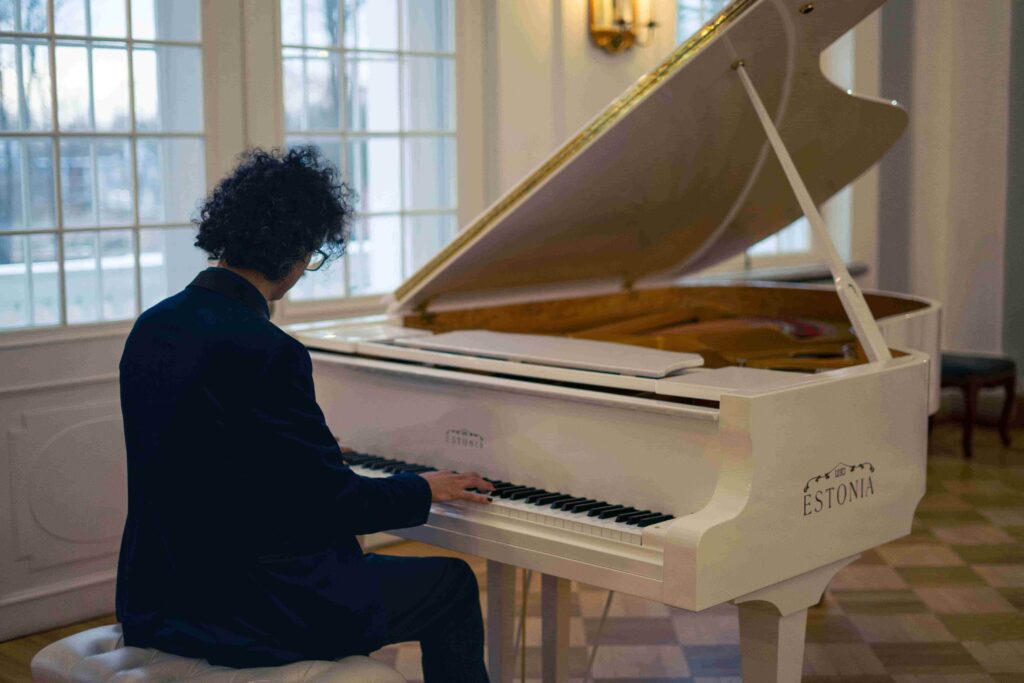
Few instruments have shaped musical imagination as profoundly as the piano. It is at once orchestral and intimate, architectural and
The History of the Piano: From Cristofori’s Workshop to the Digital Age Read More »