
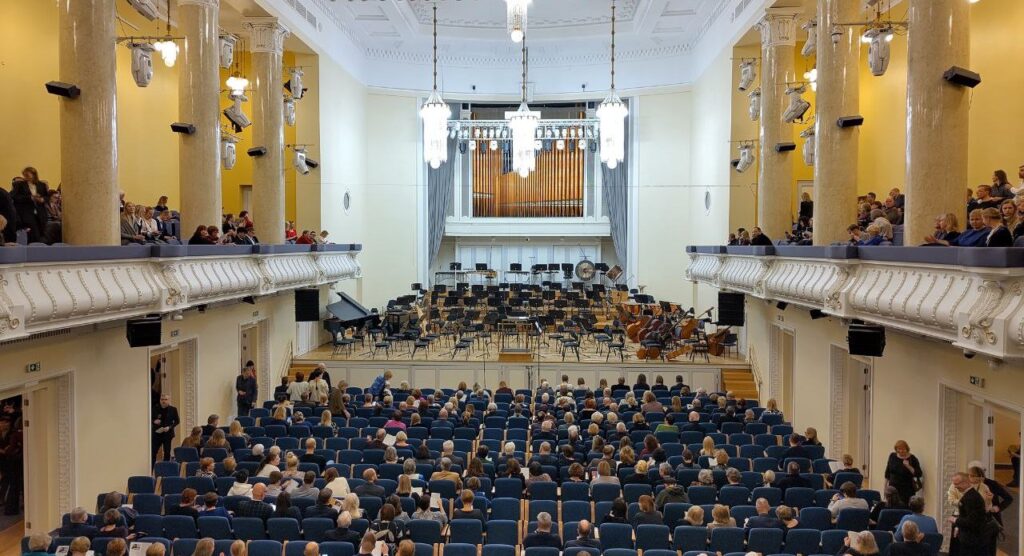
When Classical Music Stopped Being Dangerous
When did classical music become a decorative act rather than a dangerous one? From the era of Ludwig van Beethoven
When Classical Music Stopped Being Dangerous Read More »
Fakism is a term introduced by Arashk Azizi to describe a contemporary condition in which images, representations, and digital impressions no longer simply reflect reality, but begin to take its place in how culture, politics, and art are understood and judged.
Extending classical media theory from Jean Baudrillard and Guy Debord, Fakism does not argue that reality disappears, but that it becomes structurally secondary to its own representation within algorithmic and attention-driven systems.
In Fakism, truth persists but loses primacy: it must compete with visibility, speed, and performative coherence. As a result, meaning is no longer determined by depth or causality, but by circulation and perceptual impact.
Fakism is therefore not deception, but systemic substitution; a condition where the distinction between authentic experience and its mediated form remains conceptually intact, yet practically irrelevant in cultural life.
When did classical music become a decorative act rather than a dangerous one? From the era of Ludwig van Beethoven
When Classical Music Stopped Being Dangerous Read More »

In the contemporary digital landscape, a paradigm shift has occurred in how audiences engage with cultural artifacts. From cinema to
The Architecture of Consumption Read More »

Releasing a Digital Album feels at first like a promise: a chance for an independent musician to reach listeners anywhere in
The Digital Album and the Divided Life of a Musician Read More »

Let’s learn about Ethan Once upon a time, in a small town filled with dreams, there lived a talented and
A real life in a Fake world Read More »