
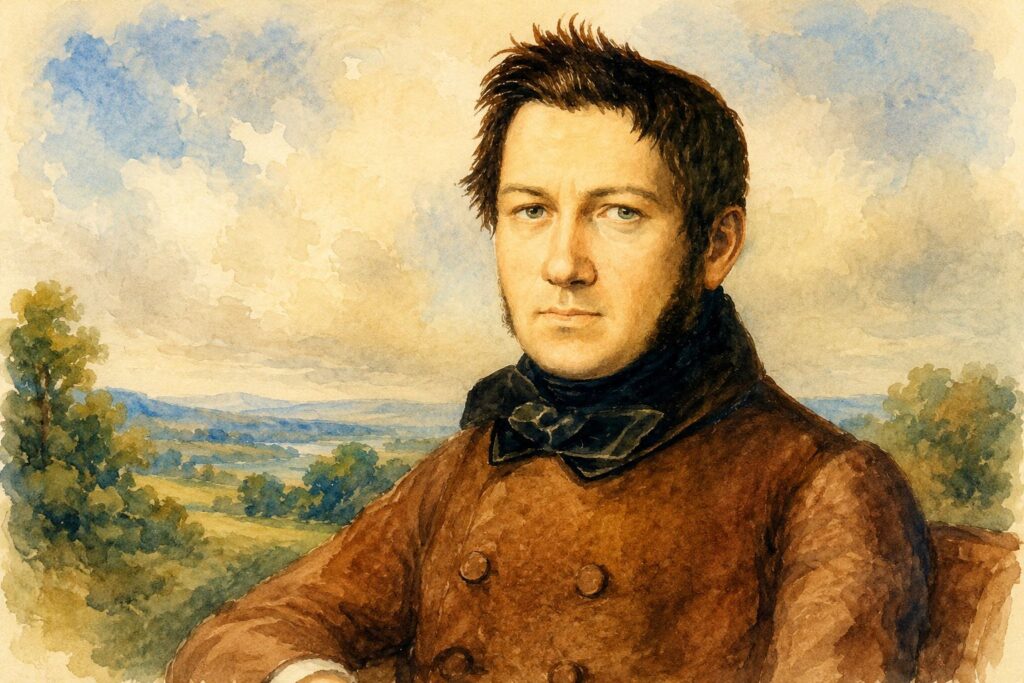
Mikhail Glinka: Father of Russian Classical Music
Mikhail Glinka: The Architect of Russian Musical Nationalism Before the nineteenth century, the art music landscape of Western Europe was
Mikhail Glinka: Father of Russian Classical Music Read More »
Mikhail Glinka: The Architect of Russian Musical Nationalism Before the nineteenth century, the art music landscape of Western Europe was
Mikhail Glinka: Father of Russian Classical Music Read More »
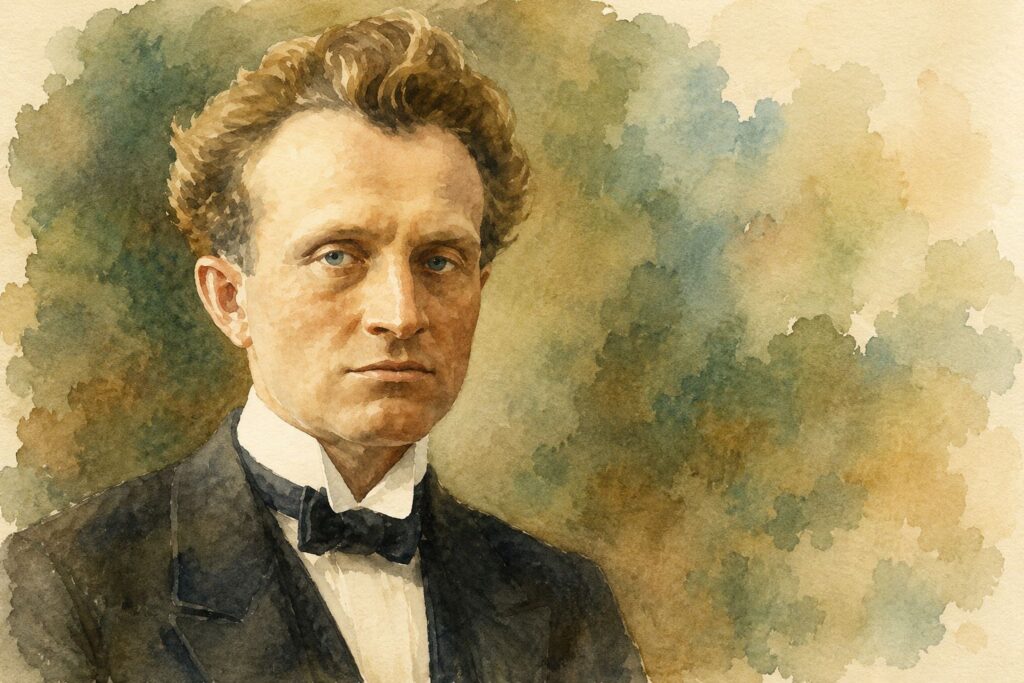
When the global classical music community discusses the sonic identity of the Baltic Sea’s eastern shores, contemporary names typically dominate
The Baltic Brahms: How Rudolf Tobias Built Estonian Music Read More »
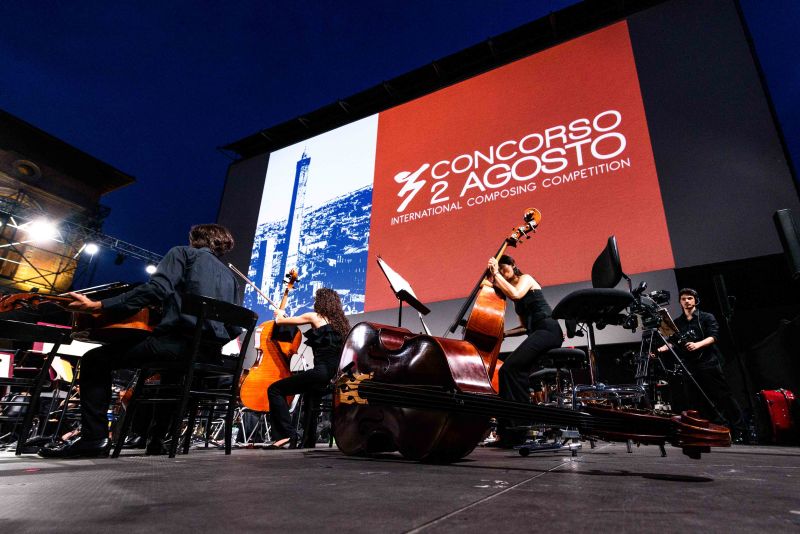
Maestro Claudio Marino Moretti to Lead Choir at the XXXII International “2 Agosto” Composition Competition Newcomer composers, the deadline is fast‑approaching – 31 May 2026
Maestro Moretti to Helm 2 Agosto Competition Read More »
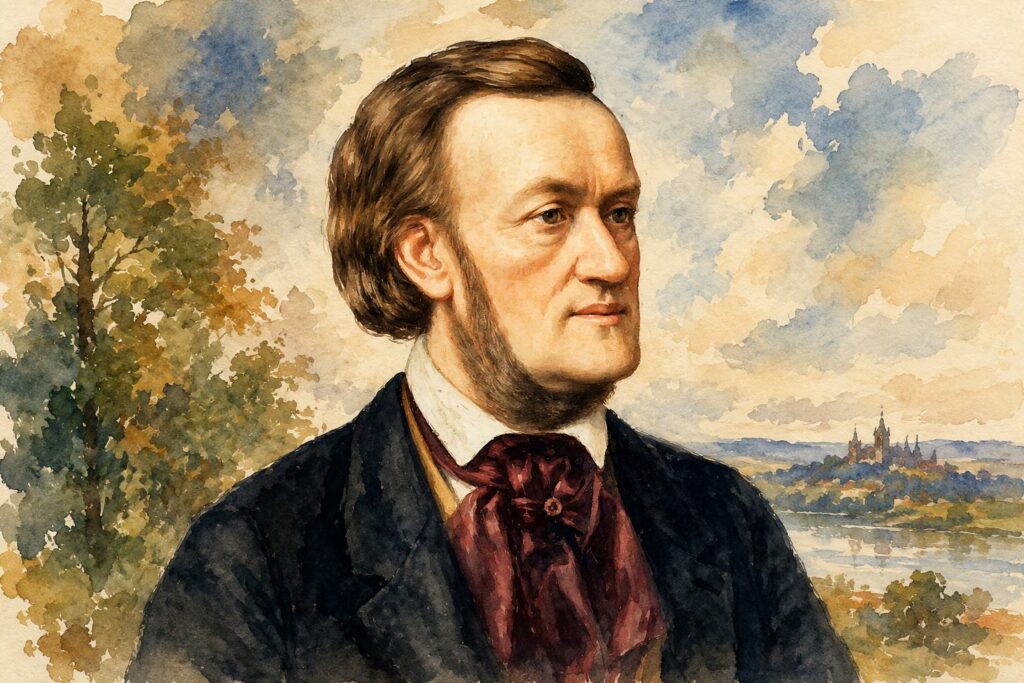
Few figures in the history of Western civilization provoke as much intense fascination, artistic reverence, and moral repulsion as Wilhelm
Richard Wagner, The Architect of the Total Work of Art Read More »
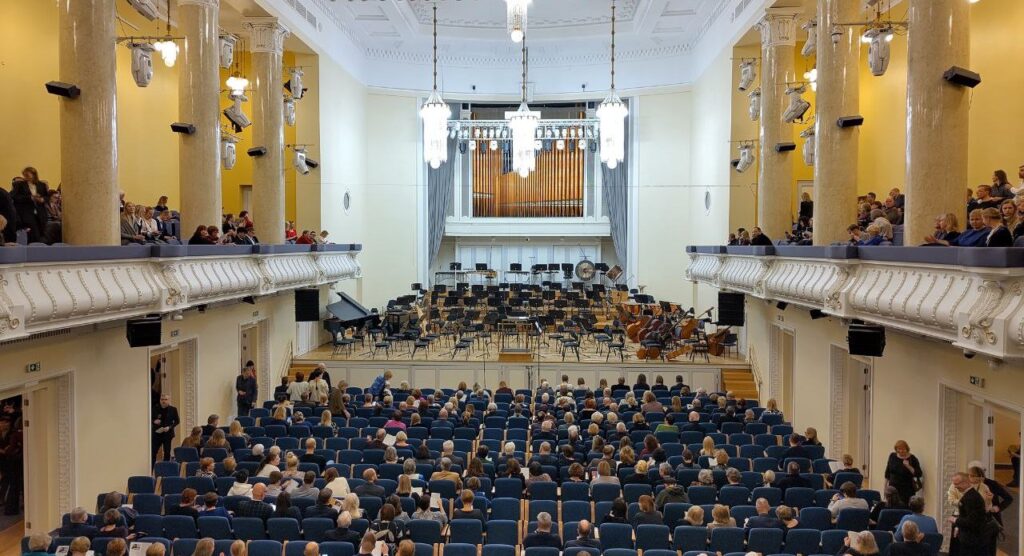
When did classical music become a decorative act rather than a dangerous one? From the era of Ludwig van Beethoven
When Classical Music Stopped Being Dangerous Read More »
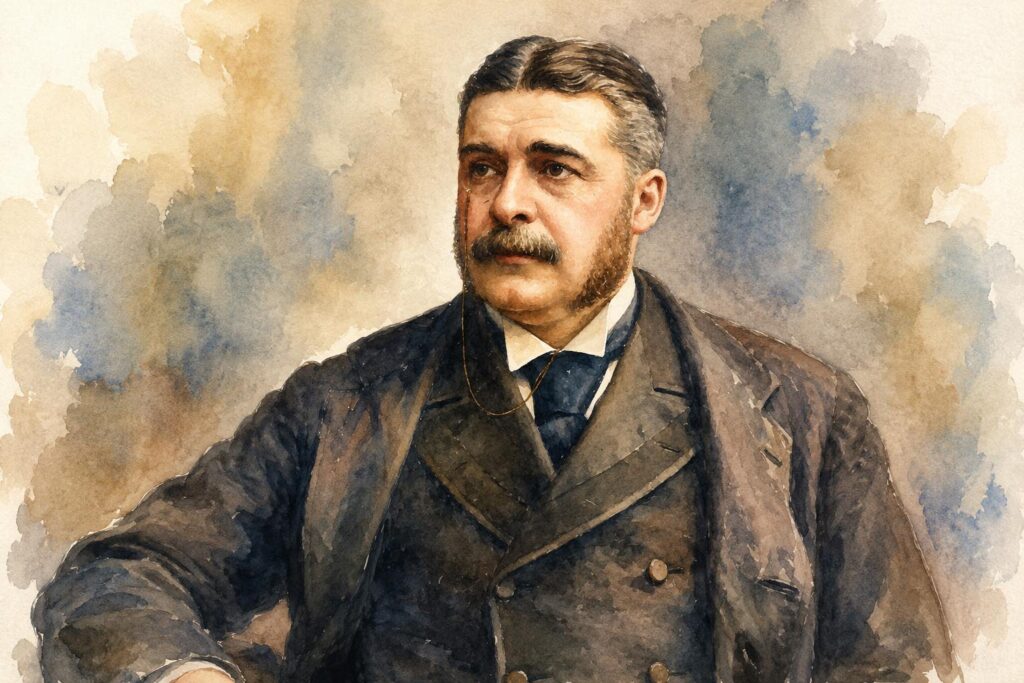
Sir Arthur Sullivan (13 May 1842 – 22 November 1900) stands as one of Britain’s most celebrated 19th‑century composers. Born in London to a
Arthur Sullivan, Architect of the Comic Opera Read More »
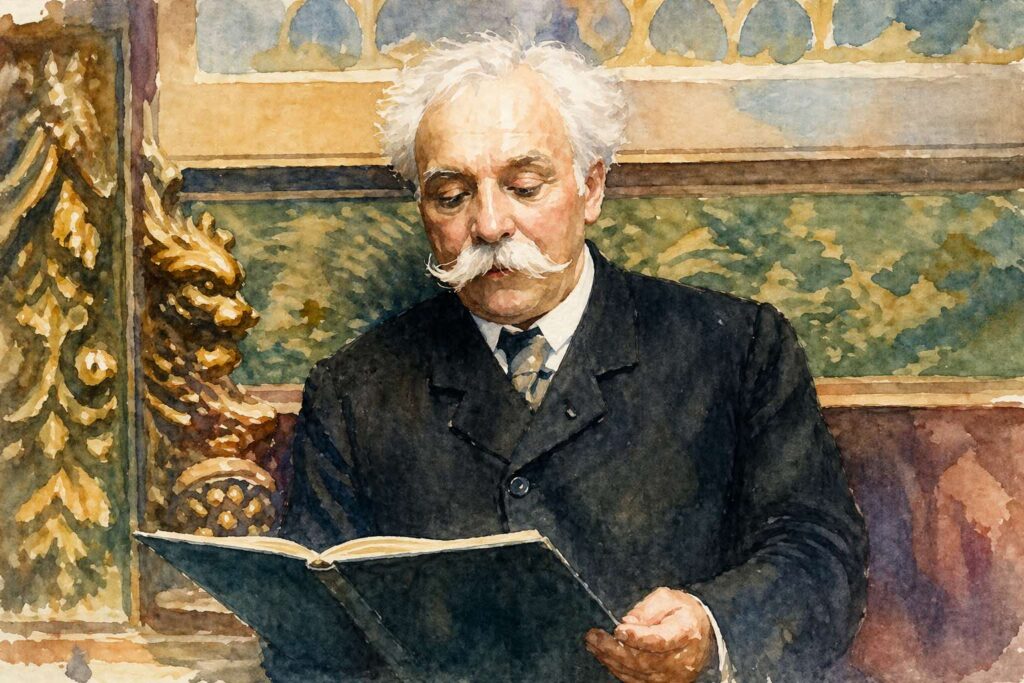
In the late nineteenth and early twentieth centuries, French music was a hotbed of innovation, yet few figures encapsulated the
Gabriel Fauré: The Quiet Architect of French Music Read More »
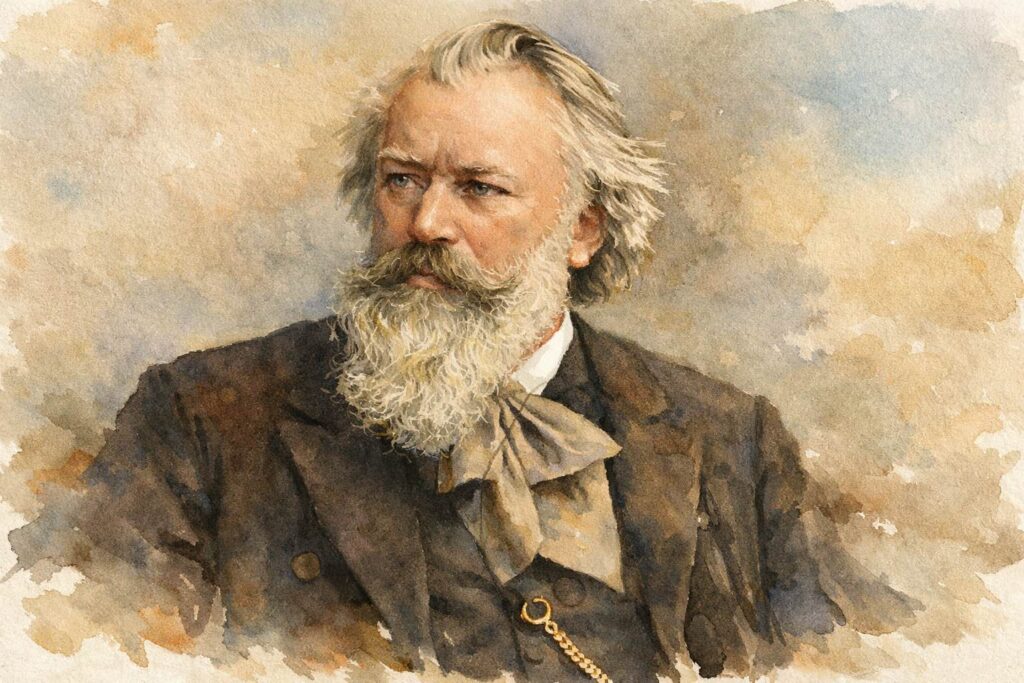
Johannes Brahms (7 May 1833 – 3 April 1897) stands as one of the last great masters of the Romantic
Johannes Brahms – The Quiet Genius Who Shaped the Romantic Canon Read More »
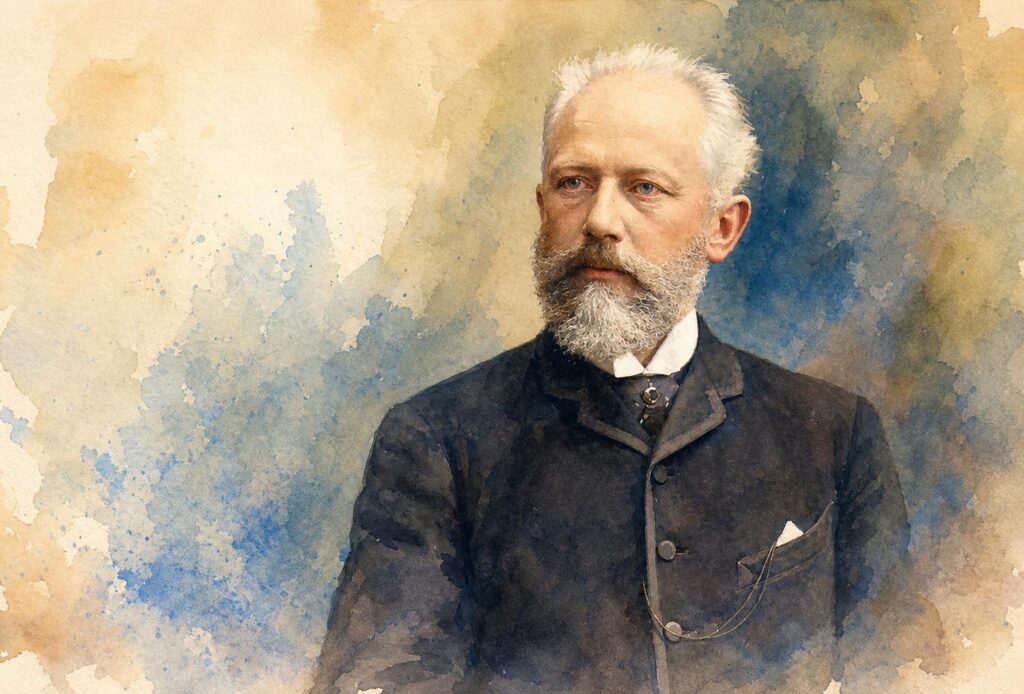
Pyotr Ilyich Tchaikovsky (7 May 1840 – 6 November 1893) stands as a monolithic figure in the history of classical
Pyotr Ilyich Tchaikovsky, From Civil Servant to Maestro Read More »
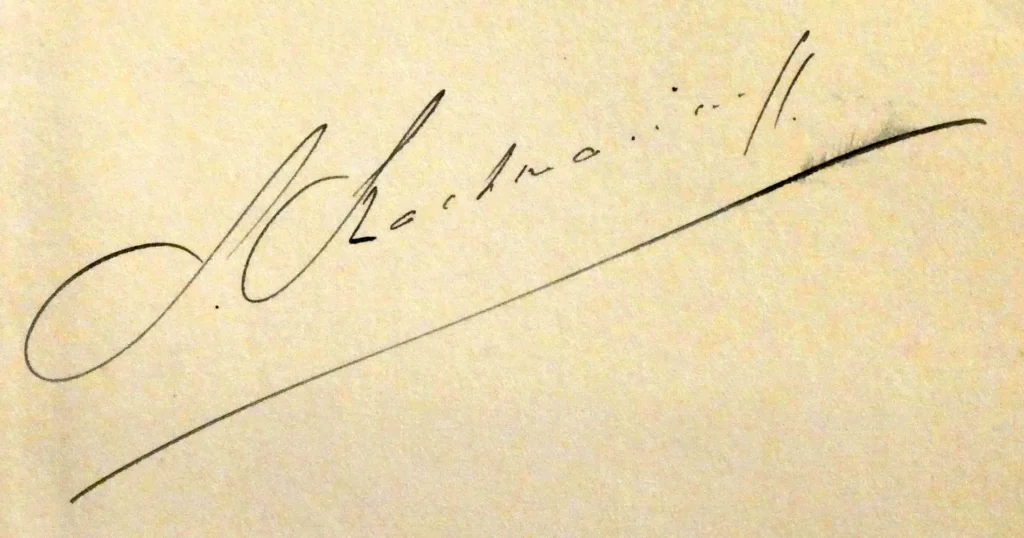
When a program lists Prelude in C‑Sharp Minor, Op. 3, No. 2 by Sergei Rachmaninoff, a quick web‑search will also bring up Rachmaninov. The difference is
Which one is it, Rachmaninoff or Rachmaninov? Read More »
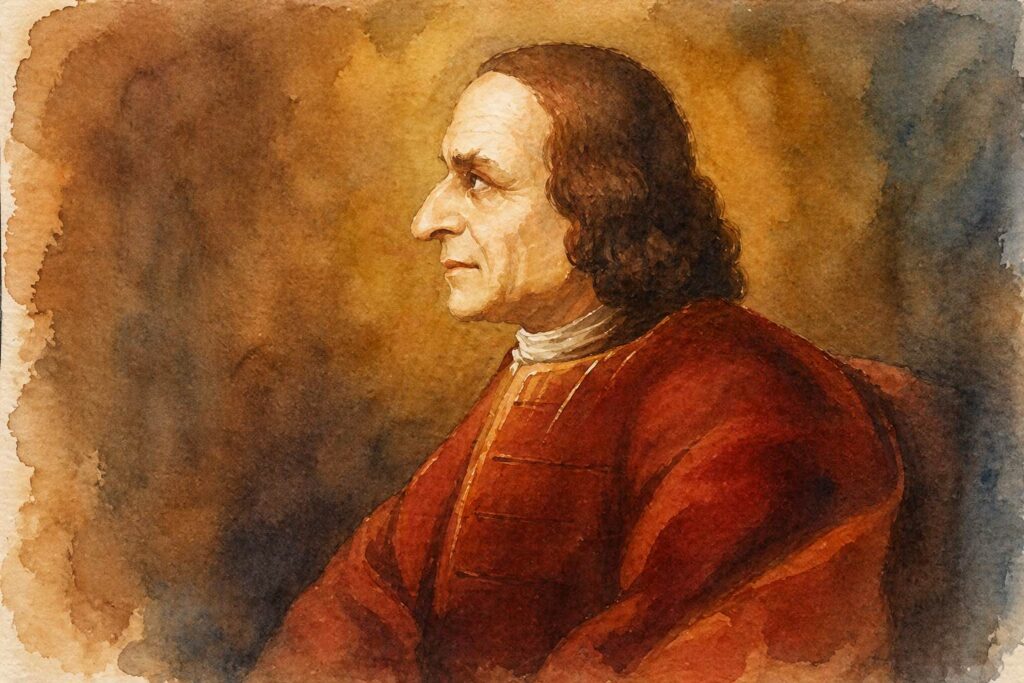
When the violin first emerged in the Italian courts of the seventeenth‑century, the instrument was still in its infancy. Its
Giuseppe Tartini, Master of the Devil’s Trill Read More »
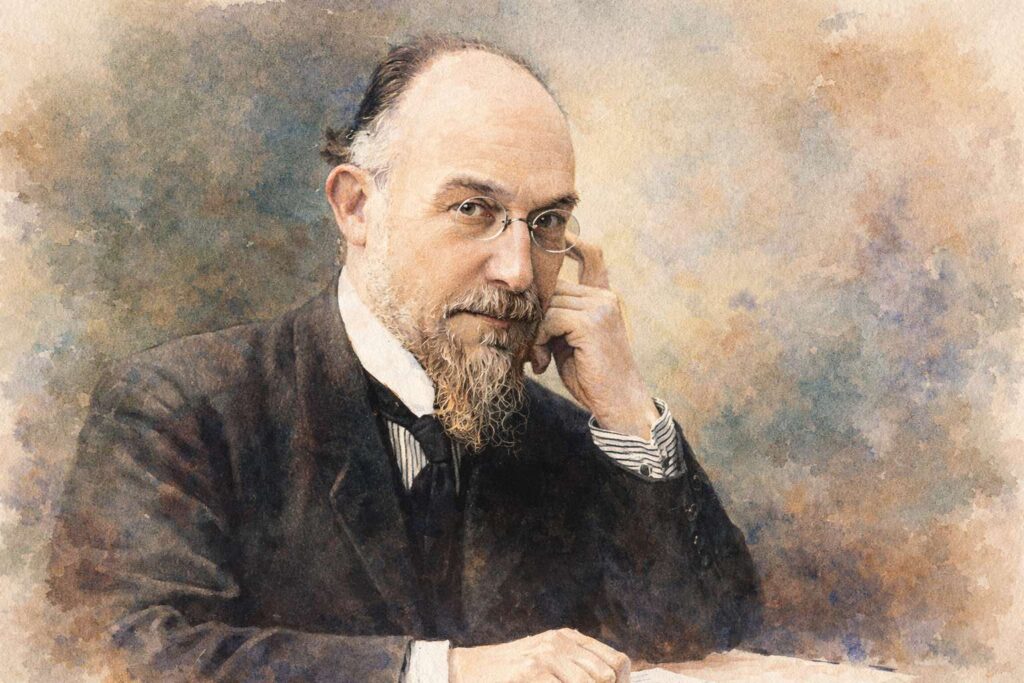
Erik Satie (17 May 1866 – 1 July 1925) is often remembered as the enigmatic, eccentric French composer who “taught the
Erik Satie: The Quiet Composer Who Changed Piano Forever Read More »
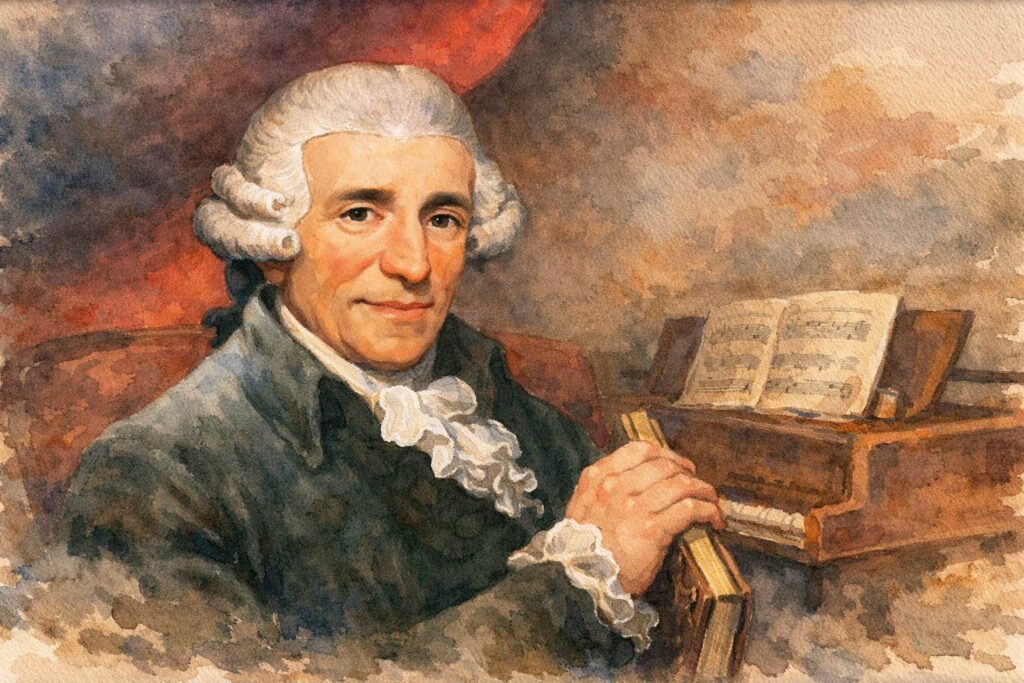
Johann Haydn (31 March 1732 – 31 May 1809) is a towering figure in the Classical era, whose inventive symphonies, string quartets, and
Joseph Haydn, the Father of the Symphony Read More »
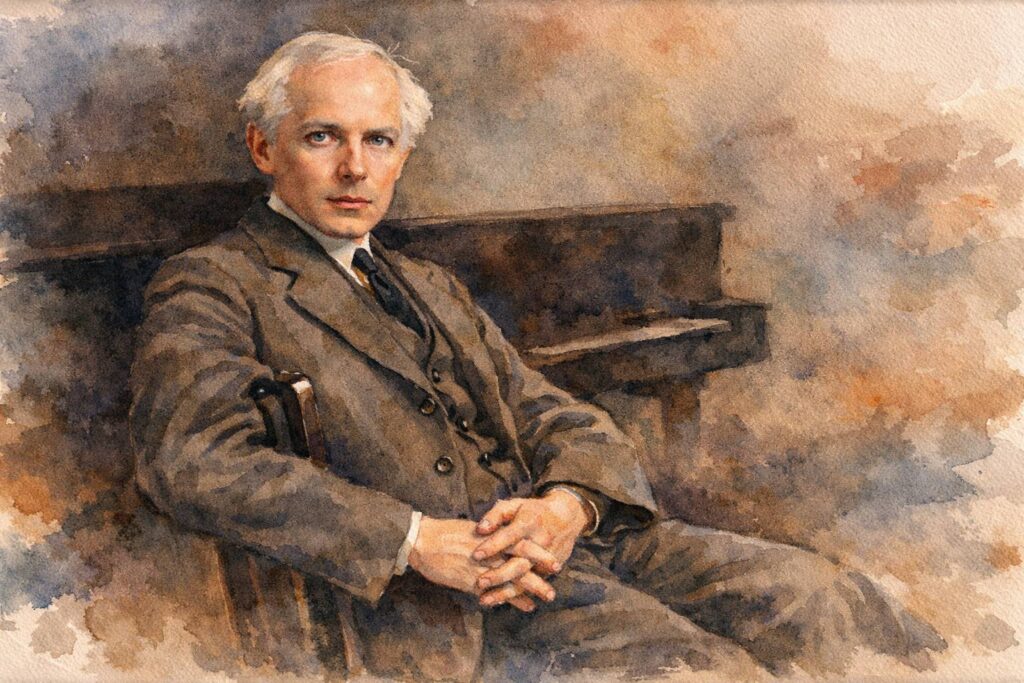
Béla Bartók (25 March 1881 – 26 September 1945) stands as one of the most influential composers of the twentieth
Béla Bartók, the Composer of the Folk Tunes Read More »
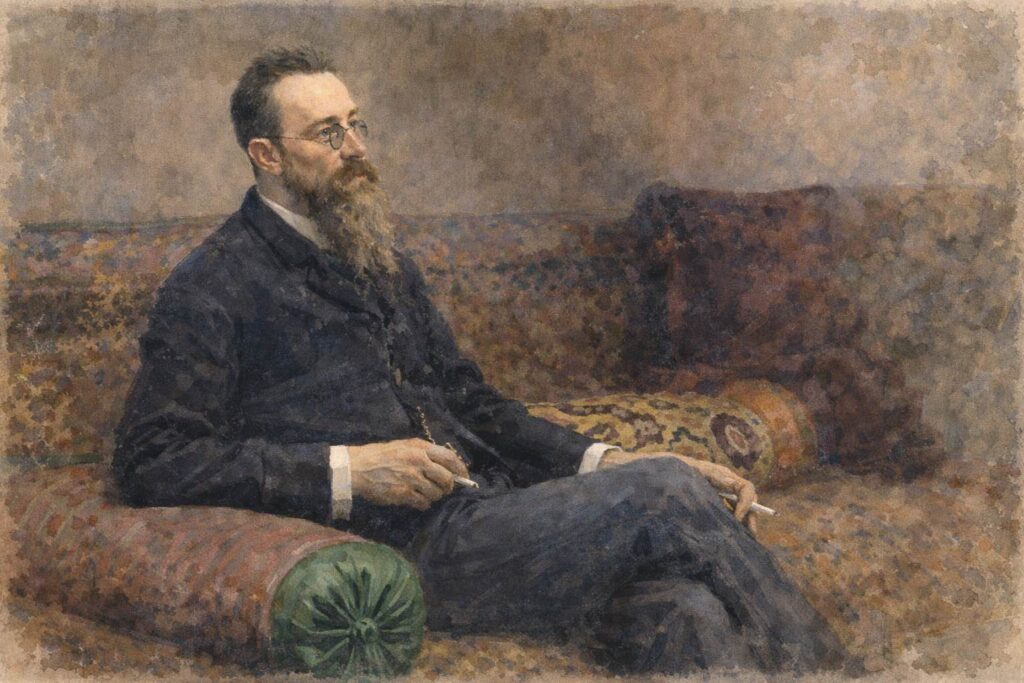
Nikolai Rimsky‑Korsakov (18 March 1844 – 21 June 1908) is one of the most celebrated figures in 19th‑century Russian music.
Nikolai Rimsky‑Korsakov: The Master of Orchestration Read More »
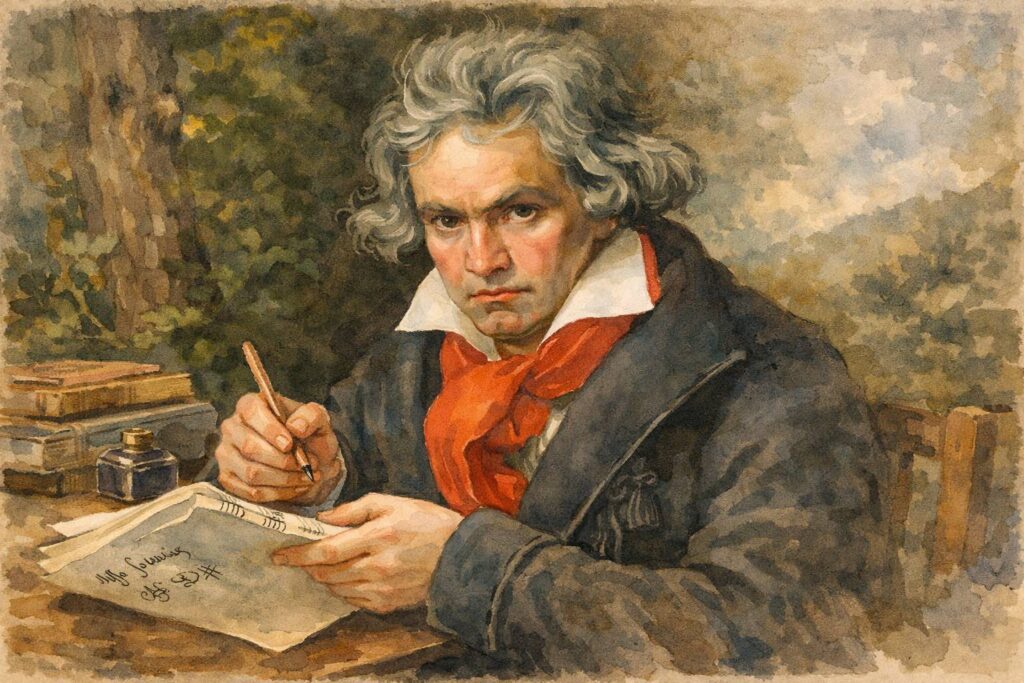
In the history of Western music, a few figures mark turning points so profound that the art form itself seems
Ludwig van Beethoven: The Composer Who Redefined Music Read More »
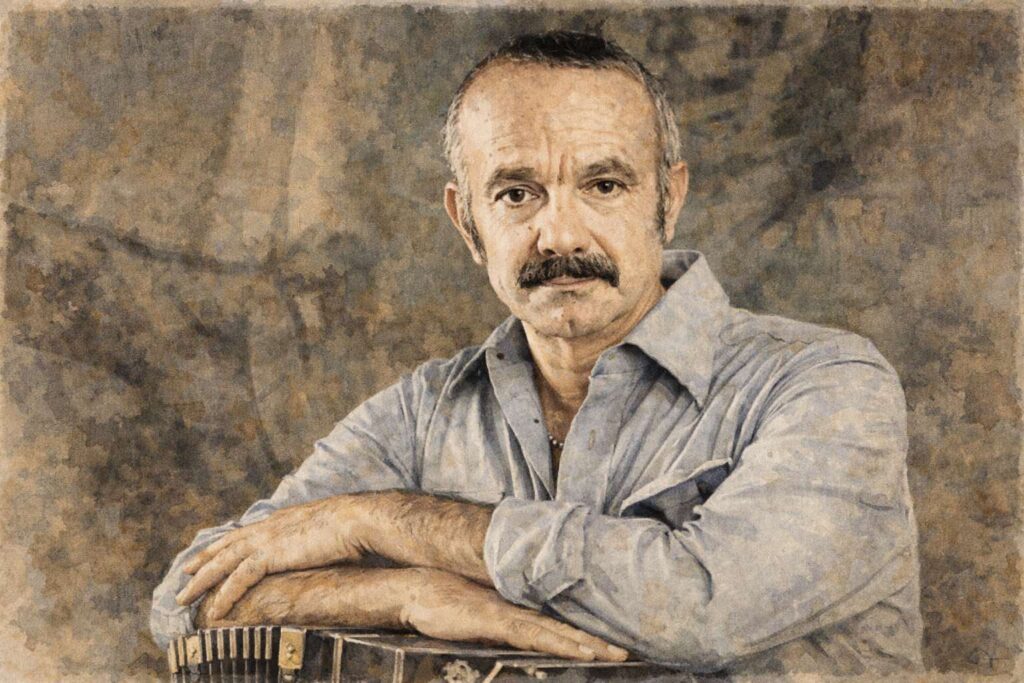
Astor Piazzolla (11 March, 1921 – 4 July, 1992) is widely regarded as the most influential figure in the history
Astor Piazzolla, The Composer Who Transformed Tango Read More »
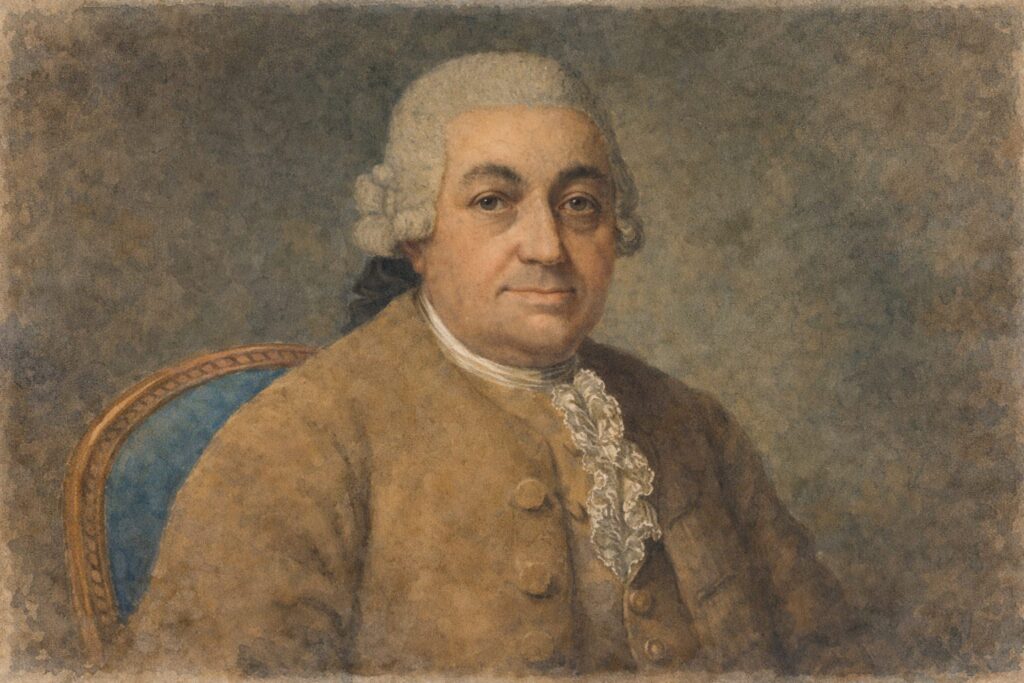
Carl Philipp Emanuel Bach One of the most forward‑looking composers of the 18th century, he bridged the elaborate world of Baroque music
Carl Philipp Emanuel Bach: Bridging Baroque & Classical Read More »
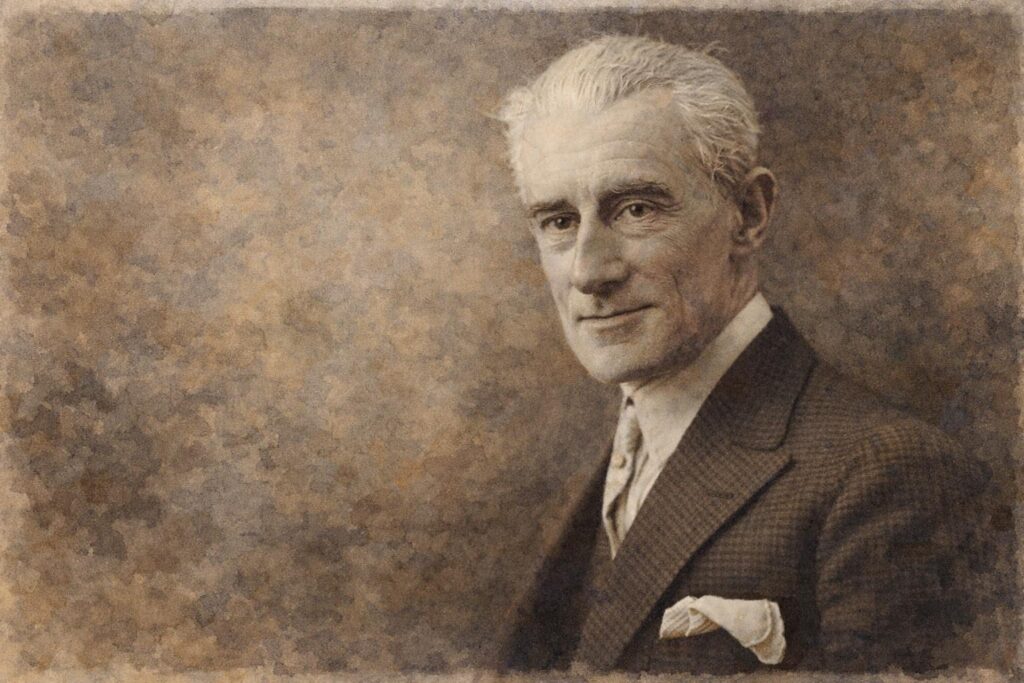
Maurice Ravel (7 March 1875 – 28 December 1937) remains one of the most celebrated French composers of the late 19th‑
Maurice Ravel: A Life in Sound Read More »
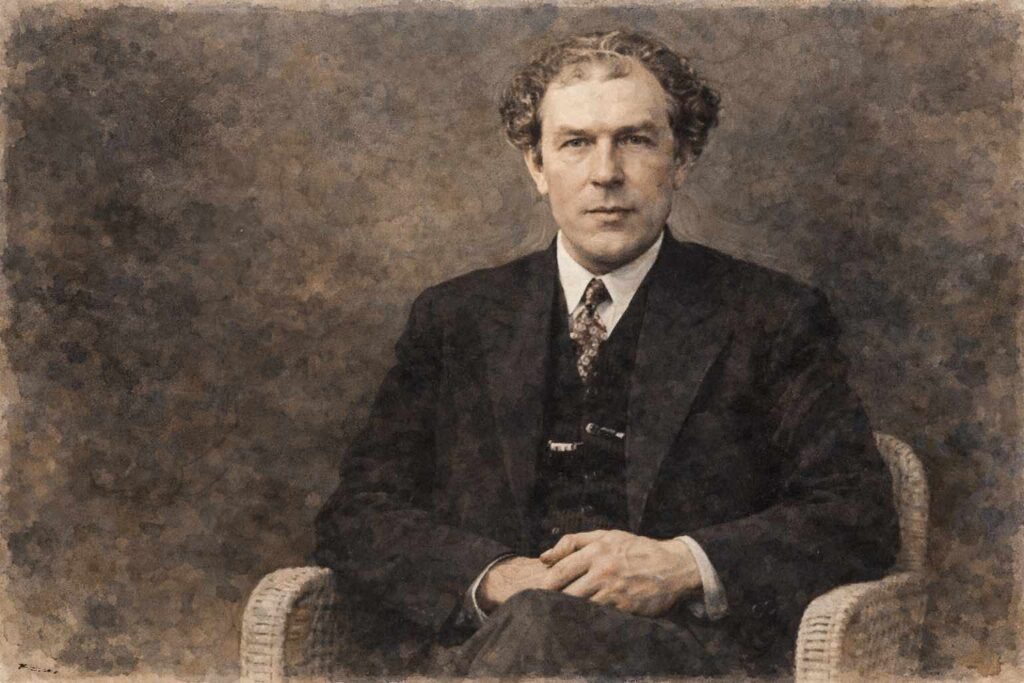
Heino Eller (7 March 1887 – 16 June 1970) is one of the towering figures in 20th-century Estonian music, widely recognized
Heino Eller: Father of the Estonian Music Read More »