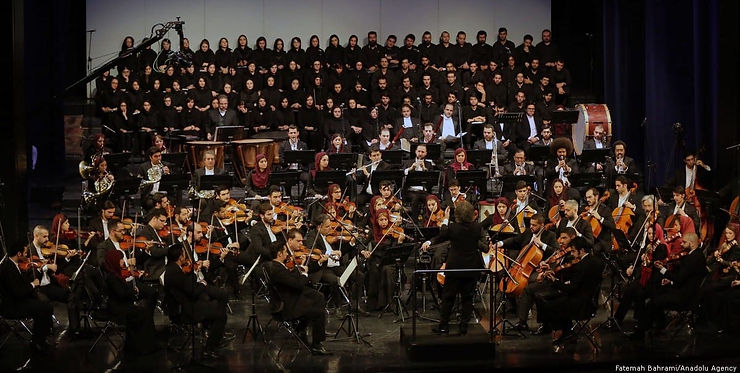
Few musical forms capture the sheer scale of human drama quite like the piano concerto. It is the ultimate dialogue: a single, vulnerable instrument standing up to, conversing with, and sometimes battling an entire hundred-piece orchestra.
But let’s get one thing straight before we dive in. I generally don’t like the idea of designating the “best” or top music pieces or composers. Art, in general, is very subjective. Yes, there are criteria that make a musical piece technically “better” than another, but after a point, when those criteria are over the standard, it is not possible to choose objectively what is better. As the great Béla Bartók once dryly put it: “Competition is for horses, not composers.”
Even so, it is undeniably fun to introduce my personal favorite pieces and composers. So while we may casually throw around phrases like the “best piano concertos of all time,” keep in mind there is no specific order here. These are simply ten awesome works that offer a transcendent listening experience. I highly suggest you sit and just listen to them from beginning to end; or, even better, find them in a concert happening near you and attend it live.
Best piano concertos of all time
1. John Adams: Must the Devil Have All the Good Tunes?
Taking its title from a quote famously attributed to Martin Luther, John Adams’s modern masterpiece is a wild, percussion-heavy ride. Written specifically for pianist Yuja Wang, this piece completely upends the traditional 19th-century concerto format. Instead of romantic sentimentality, Adams gives us a driving, groove-based “funk” aesthetic.
The piece is a non-stop, single-movement sprint divided into three sections that play without pause. It opens with an infectious, lumbering bassline in a tricky 9/8 time signature that feels like a dark, mechanical dance. The piano is treated almost like a percussion instrument, trading heavy, syncopated blows with an orchestra that includes an detuned honky-tonk piano and an electric bass. It is gritty, propulsive, and an absolute adrenaline rush from start to finish.
2. Sergei Rachmaninoff: Piano Concerto No. 2 in C minor, Op. 18
Written as Rachmaninoff emerged from a deep, hypnotherapy-cured depression following the disastrous premiere of his First Symphony, this concerto is pure emotional triumph. After years of writer’s block, Rachmaninoff poured all of his pent-up lyricism into this work, dedicating it to his therapist, Nikolai Dahl.
From the opening chords—which slowly build in intensity like tolling church bells echoing across a vast Russian landscape—the listener is swept into an unforgivingly romantic storm. The second movement features an incredibly tender, floating flute and clarinet melody that the piano gently weaves around, while the third movement builds to one of the most famous, heart-swelling orchestral climaxes in musical history.
3. Ludwig van Beethoven: Piano Concerto No. 3 in C minor, Op. 37
Before Beethoven’s Third, classical concertos—even those by Mozart—retained a certain courtly elegance and restraint. Here, Beethoven ushers in the fiery, uncompromising spirit of the Romantic era. Writing in C minor—the key he reserved for his most turbulent, defiant works (like the Fifth Symphony)—Beethoven delivers a piece that feels muscular, heroic, and intensely personal.
The first movement begins with a hushed, menacing orchestral introduction before the piano makes a dramatic entrance with three rising, aggressive scales. But the real magic lies in the second movement (Largo). Beethoven opens it in the distant, unexpectedly warm key of E major. The transition from the dark C minor of the first movement to the quiet, holy warmth of the second is a spiritual pivot that can easily bring a listener to tears.
4. Wolfgang Amadeus Mozart: Piano Concerto No. 23 in A major, K. 488
Mozart’s 23rd is a work of sunny, sparkling clarity, at least, on the surface. Written during a wildly prolific period in Vienna, the outer movements are filled with grace, optimism, and the effortless conversational flow that Mozart perfected in his operas.
But then you hit the second movement. Written in the rare key of F-sharp minor, this Adagio is a tragic, gently swaying siciliano that practically knives the heart. It is a lonely, stripped-back monologue where the piano utters a simple, weeping theme, met by sighing winds in the orchestra. It is some of the most painfully beautiful, deeply human music ever penned, proving that Mozart could convey the entire spectrum of human grief in just a few quiet measures.
5. Pyotr Ilyich Tchaikovsky: Piano Concerto No. 1 in B-flat minor, Op. 23
Even if you have never stepped foot in a concert hall, you know the opening of this concerto. Those massive, thundering piano chords crashing down against a soaring, sweeping string melody are woven directly into our global cultural fabric. Interestingly, when Tchaikovsky first played it for his mentor Nikolai Rubinstein, Rubinstein declared it “worthless,” unplayable, and incredibly vulgar.
Tchaikovsky, deeply hurt but stubborn, refused to change a single note. History, of course, vindicated him. Beyond that famous, towering introduction (which, strangely, never returns in the rest of the piece), the concerto is packed with Ukrainian folk themes, lightning-fast prestissimo sections, and a thrilling finale that feels like a runaway train heading toward a glorious finish line.
6. Franz Liszt: Piano Concerto No. 1 in E-flat major, S. 124
Franz Liszt was the world’s first true musical superstar, evoking a fanatical frenzy in audiences that historians literally dubbed “Lisztomania.” Naturally, his First Piano Concerto is a dazzling showcase of superhuman keyboard athletics. Yet, beneath the fireworks lies an incredibly tight, radical structure.
Liszt abandoned the traditional three-movement concerto blueprint, opting instead for four distinct sections that play continuously without pause, bound together by recurring musical themes. The piece is famous for its bold orchestration—particularly in the third movement, where Liszt famously introduces a triangle to trade playful, rhythmic banter with the piano. It was a shocking move for 1855, but it perfectly captures Liszt’s daring, theatrical genius.
7. Robert Schumann: Piano Concerto in A minor, Op. 54
Unlike the swaggering, ego-driven concertos written by many virtuosos of the 19th century, Robert Schumann’s sole piano concerto is a deeply poetic, intimate, and highly collaborative affair. Originally conceived as a single-movement “Phantasie” for his wife Clara, Robert later expanded it into a full three-movement concerto at her urging.
The piece eschews empty flashiness. Instead, the piano and the orchestra exist in a state of fluid, dream-like conversation. The winds will gently take up a melody initiated by the piano, passing it back and forth like close friends sharing a secret. It is a warm, deeply romantic work that feels less like a theatrical battle and more like a musical love letter.
8. Clara Schumann: Piano Concerto in A minor, Op. 7
Written when she was just a teenager—and completed before she married Robert—Clara Wieck’s concerto is a brilliant, criminally underplayed masterpiece. Far from being a mere historical curiosity, this concerto proves that Clara was a formidable composer in her own right, bursting with bold harmonic ideas well ahead of her time.
The concerto features a highly unusual, seamless structure where the movements bleed into one another. The emotional centerpiece is the second movement (Romanze), which entirely dispenses with the orchestra, leaving the pianist to play a tender, intimate duet with a single, weeping solo cello. It is an incredibly daring piece of writing that showcases Clara’s profound sensitivity and structural brilliance.
9. Johannes Brahms: Piano Concerto No. 2 in B-flat major, Op. 83
If most concertos are a sprint, Brahms’s Second is a grueling, magnificent mountain climb. Spanning four massive movements rather than the standard three, this colossal work is essentially a giant symphony with a monumentally difficult piano part woven into its fabric.
Brahms famously joked to a friend that he had written “a tiny, tiny piano concerto with a tiny, tiny, wispy scherzo,” but the reality is a beast of physical stamina and intellectual depth. From the opening horn call that summons the piano into a storm of arpeggios, to the deeply emotional cello solo of the third movement, this concerto demands absolute physical power, poetic restraint, and a seamless partnership between soloist and orchestra.
10. Frédéric Chopin: Piano Concerto No. 1 in E minor, Op. 11
Written when Chopin was only 20 years old as he prepared to leave his beloved Poland forever, this concerto is a beautiful farewell letter to his youth. Because Chopin was first and foremost a master of the keyboard, critics have historically complained that his orchestral writing is thin and serves merely as a backdrop.
But what a backdrop it is for the piano’s poetry. The instrument sings with the operatic, bel canto vocal beauty that makes Chopin’s music instantly recognizable. The slow second movement (Romance – Larghetto) is particularly magical; Chopin described it as “a half-happy, half-melancholic looking back… a sort of meditation in beautiful spring weather, but by moonlight.” It is pure, unadulterated lyricism that floats effortlessly above the orchestra.
The Power of the Room
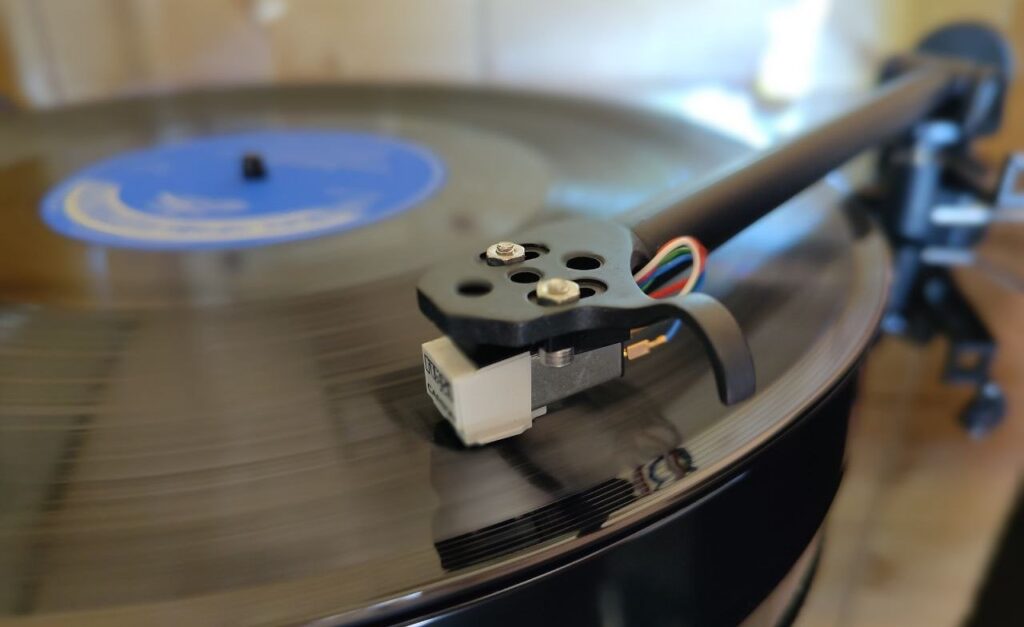
While a high-fidelity home setup can offer a spectacular, intimate listening experience, nothing matches the sheer physical sensation of sitting in a concert hall. Feeling the physical vibration of a grand piano cutting through a wall of brass and watching the soloist’s hands blur across the keys is an irreplaceable, communal human experience.
#ClassicalMusic #PianoConcerto #PianistLife #MusicMagazine #Rachmaninoff #Beethoven #Mozart #Tchaikovsky #ClassicalPiano #LiveMusic #MusicHistory #Chopin #Schumann #ConcertGoer #ClassicFM