Henry Purcell (c. 10 September 1659 – 21 November 1695) stands as one of the most remarkable figures in the annals of Western art music. Often referred to as the “Orpheus Britannicus,” Purcell was a composer of extraordinary versatility, producing works in almost every genre available to him during the Restoration period. His music captures the unique spirit of late 17th-century England, blending continental European influences with a distinctly native melodic gift. For anyone studying the evolution of music history, Purcell represents a pivotal bridge between the early Baroque and the high Baroque eras, leaving a legacy that would eventually inspire generations of composers long after his untimely death at the age of thirty-five.
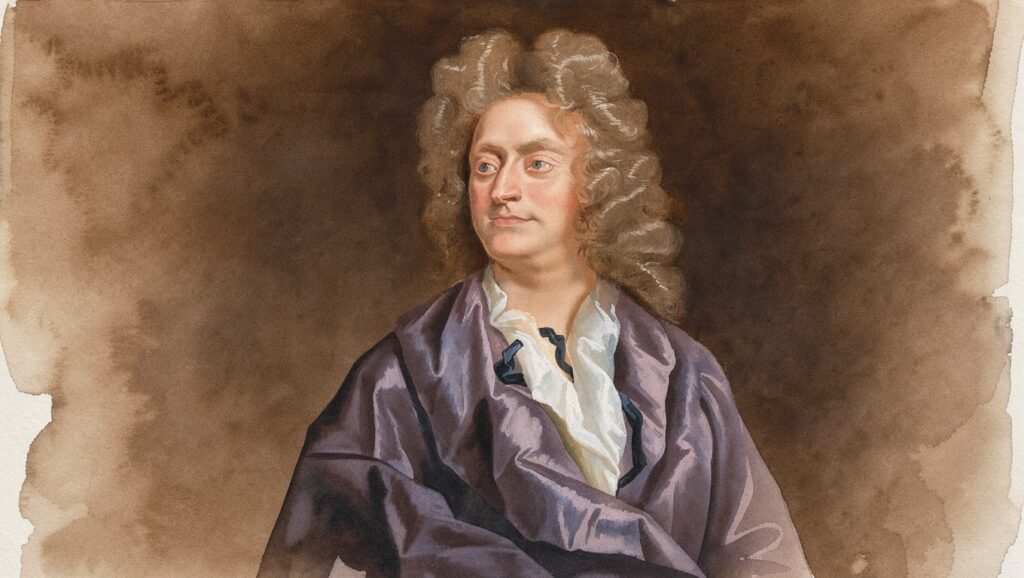
Early Life and Royal Appointment
Born in Westminster, London, Henry Purcell came from a family deeply entrenched in the musical life of the capital. His father, Henry Purcell Sr., served as a gentleman of the Chapel Royal and was a close associate of the famous composer John Blow. It is widely believed that young Henry was born in the house of the Chapel Royal, a detail that underscores his family’s deep connections to the English court. Following his father’s death, the boy was taken under the wing of his uncle, Thomas Purcell, and his mentor, John Blow.
Blow recognized the prodigious talent of his young pupil and played a crucial role in his early education. In 1676, at the age of seventeen, Purcell was appointed as a composer for the Royal Chapel. His early career was marked by a series of appointments that reflected his growing reputation. By 1679, he had been appointed organist of Westminster Abbey, a prestigious position that he held until his death. This role, combined with his duties at the Chapel Royal, placed him at the very center of England’s musical establishment.
In 1682, Purcell married Dorothy Mellor, with whom he would have several children. The marriage, however, was not without its hardships. Dorothy inherited significant debts from her father, which caused financial strain on the young couple. Despite these challenges, Purcell’s professional life flourished. He quickly became the most sought-after composer in England, writing music for the court, the church, and the public stage.
A Prolific and Versatile Career
Purcell’s output was staggering in its variety and quantity. In a career spanning only about fifteen years, he composed nearly five hundred works. His versatility is perhaps his most defining characteristic. He wrote sacred music for the Anglican liturgy, including anthems and service settings that remain staples of choral repertoire today. He also composed secular odes for royal occasions, such as the famous “Welcome Odes” for Queen Mary II and King William III.
One of Purcell’s greatest contributions to English culture was his work in the realm of semi-opera, a distinctly English form of dramatic music. Unlike the Italian opera, which was gaining popularity on the continent, the semi-opera combined spoken dialogue with extensive musical interludes, choruses, and dances. His most famous work in this genre is The Fairy-Queen, an adaptation of Shakespeare’s A Midsummer Night’s Dream. Although the original score was lost for centuries and has since been reconstructed by musicologists, it remains a testament to Purcell’s ability to blend dramatic narrative with rich, evocative music.
Another masterpiece of the semi-opera genre is Dido and Aeneas, written around 1688. This tragic opera, with a libretto by Nahum Tate, tells the story of Dido, the Queen of Carthage, and her doomed love for the Trojan hero Aeneas. The opera is renowned for its emotional depth and musical sophistication. The famous aria “Dido’s Lament” (“When I am laid in earth”) is one of the most poignant pieces of music ever written, showcasing Purcell’s mastery of word painting and harmonic expression. The descending chromatic bass line in the aria has become a symbol of grief in Western music, influencing countless composers who followed.
Musical Style and Innovation
What makes Purcell’s music so enduring is his unique synthesis of styles. He was deeply influenced by the French and Italian Baroque styles, particularly the works of Lully and Corelli. However, he did not merely imitate these continental giants; he absorbed their techniques and filtered them through an English sensibility. His music is characterized by a natural gift for melody, a keen sense of drama, and a flexible approach to harmony.
Purcell’s vocal writing is particularly admired. He had an uncanny ability to set English text to music in a way that felt both natural and elevated. His understanding of the rhythms and stresses of the English language allowed him to create melodies that flowed effortlessly, yet retained a sense of grandeur. This skill was essential for the development of English choral music, and it set a standard that English Composers would strive to meet for centuries.
In his instrumental music, Purcell was equally innovative. He wrote sonatas, suites, and fantasias that combined the contrapuntal complexity of the English madrigal tradition with the rhythmic vitality of the French overture. His keyboard music, particularly the Harpsichord Suites, is celebrated for its elegance and variety. These suites, which include dances such as pavanes, gavottes, and jigs, provide a window into the secular musical tastes of the Restoration court.
Purcell’s use of harmony was also ahead of his time. He was not afraid to use dissonance and unexpected modulations to create tension and express emotion. This harmonic boldness, combined with his melodic genius, gives his music a sense of immediacy and vitality that continues to resonate with modern audiences.
The Tragic End of a Brilliant Career
Despite his immense success, Purcell’s life was cut short by circumstances that remain somewhat mysterious. In late 1695, he fell ill. Some theories suggest that he caught a chill after returning home from a stormy night at the theater, while others speculate that he may have been poisoned by a rival or that he suffered from a more serious underlying condition. He died on November 21, 1695, and was buried in the nave of Westminster Abbey, a fitting resting place for a man who had served the church and the crown with such distinction.
His death was met with widespread mourning. John Dryden, the famous poet and a close friend, wrote a poignant epitaph that captured the sentiment of the nation:
“Nature herself declared, that she could not bear the loss of Purcell.”
The tragedy of his death lies not only in the loss of a great artist but in the potential that was cut short. At the time of his death, Purcell was at the height of his powers, and it is impossible to imagine what further masterpieces he might have created had he lived longer.
Legacy and Influence
For a time after his death, Purcell’s music fell into relative obscurity. The musical tastes of the 18th century shifted towards the more formal and structured styles of Handel and the Italian concerto. However, Purcell’s reputation never completely vanished. In the 19th century, a revival of interest in early music led to a reevaluation of his work. Composers such as Edward Elgar and Ralph Vaughan Williams looked to Purcell as a model of English musical identity.
In the 20th and 21st centuries, Purcell has been recognized as one of the greatest composers in music history. His works are performed regularly by leading orchestras and choirs around the world. Scholars have undertaken extensive research to reconstruct his lost works and to better understand his compositional techniques. The Purcell Room in London’s Southbank Centre is named in his honor, and his music continues to inspire contemporary composers and performers.
Purcell’s influence extends beyond the realm of classical music. His melodies have been adapted in popular culture, and his dramatic sensibilities have influenced the development of musical theater. The emotional directness of his music, particularly in Dido and Aeneas, anticipates the expressive goals of later Romantic composers.
Conclusion
Henry Purcell remains a singular figure in the landscape of Western music. In a short life, he produced a body of work that is both diverse and unified, reflecting the complexities of his age while transcending them. His ability to blend the best of continental styles with a distinctly English voice created a musical language that was fresh and vital.
For students and enthusiasts of music composers, Purcell offers a rich field of study. His works demonstrate the power of music to express the full range of human emotion, from the joyous celebration of royal occasions to the profound grief of personal loss. His legacy is a reminder of the enduring power of art to capture the spirit of a time and place, and to speak to the human heart across the centuries.
As we continue to explore and perform his music, we are reminded of the words of Dryden: “He was indeed equal to the great occasions of the age in which he lived.” Purcell’s music is not just a relic of the past; it is a living, breathing entity that continues to move and inspire us today. His story is one of immense talent, hard work, and tragic loss, but it is ultimately a story of triumph. Through his music, Henry Purcell has achieved a form of immortality, securing his place as one of the greatest geniuses of the Baroque era.
#HenryPurcell #BaroqueMusic #ClassicalMusic #MusicHistory #Opera #DidoAndAeneas #WesternMusic #Composer #MusicEducation #BaroqueEra #EnglishMusic #ChoralMusic #MusicTheory #OrpheusBritannicus #MusicLegacy