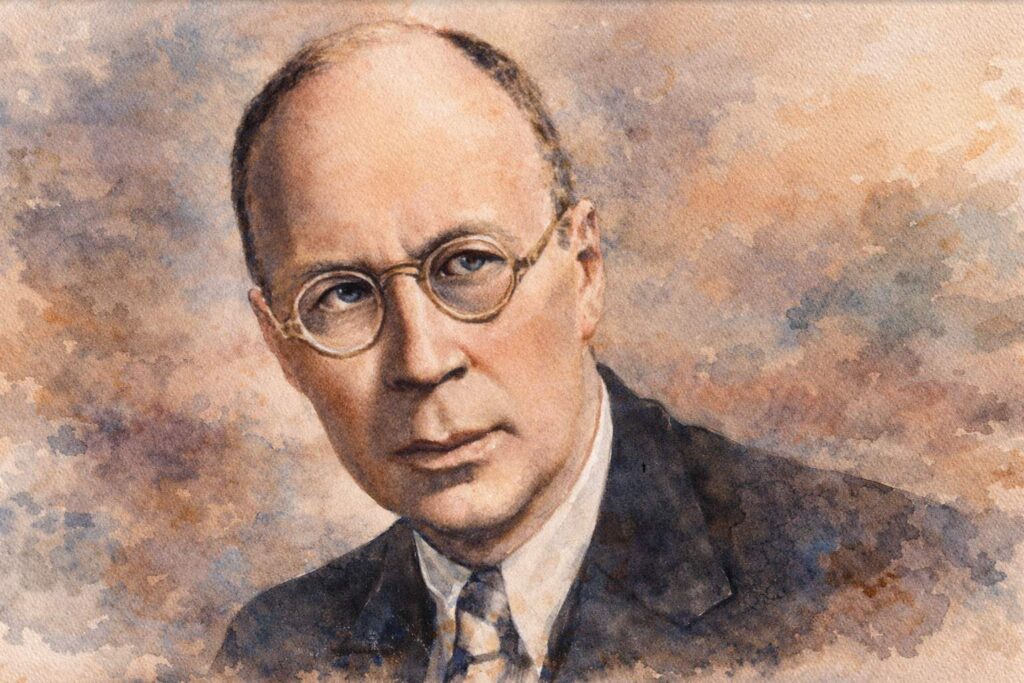
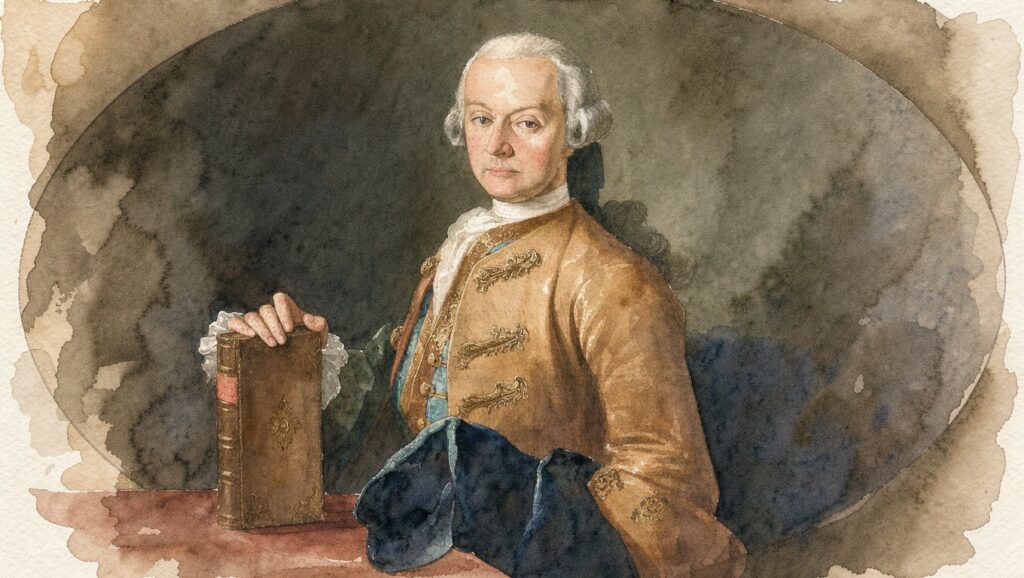
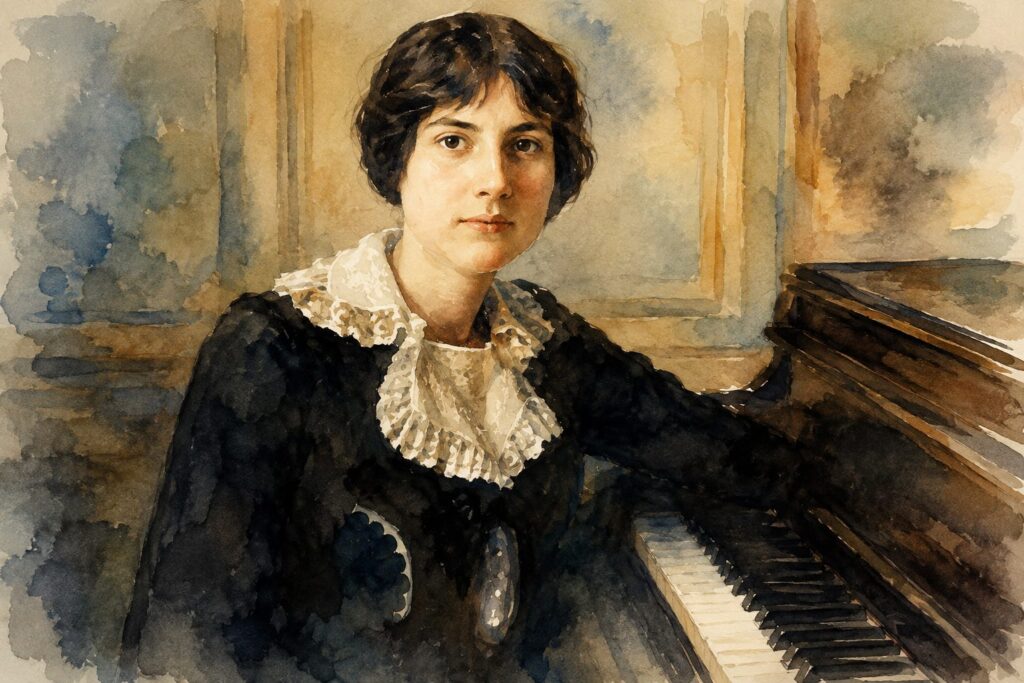
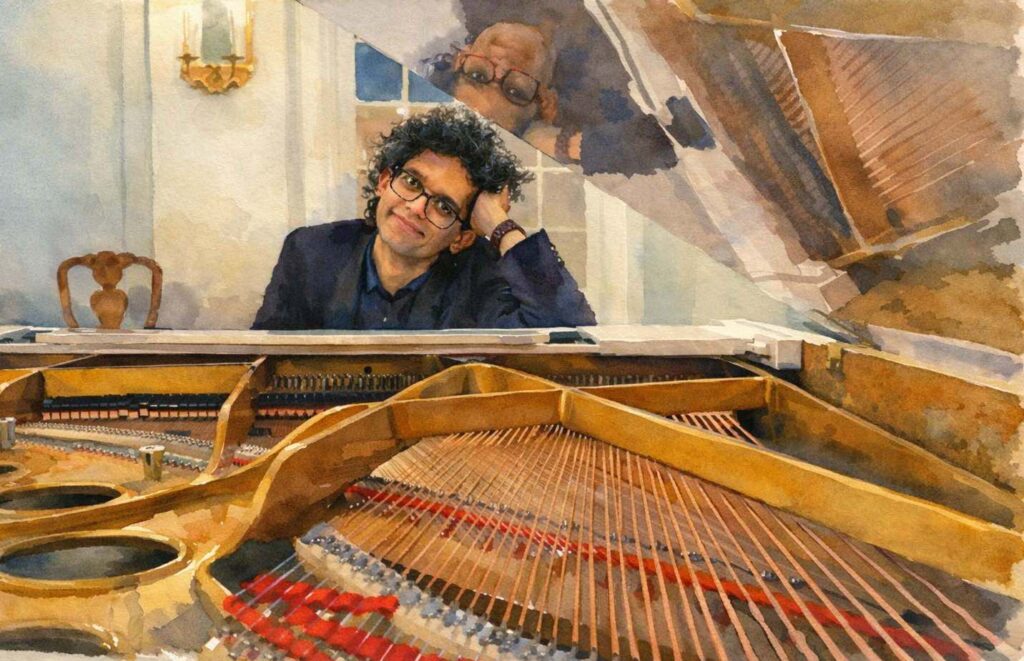
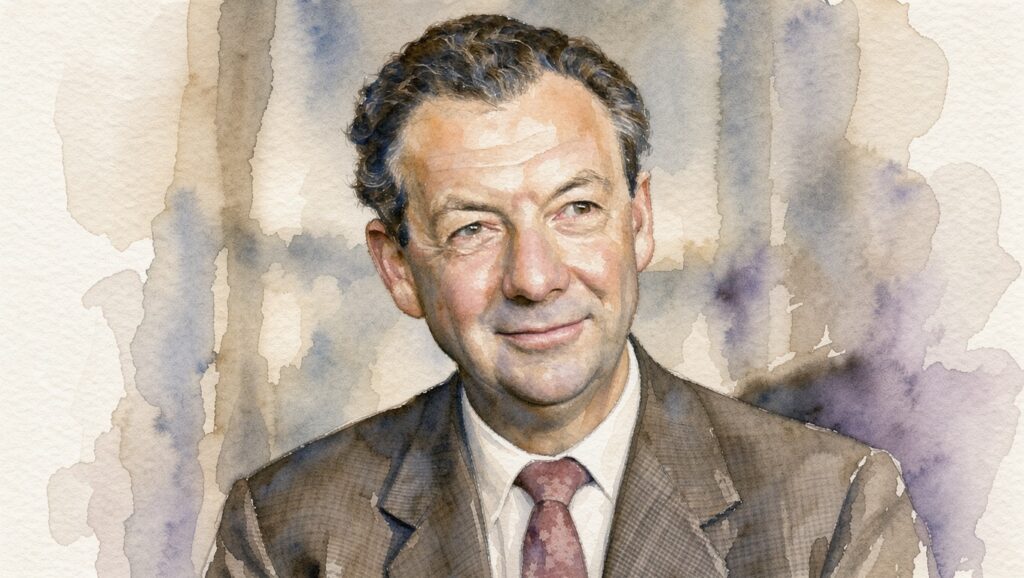
Benjamin Britten (22 November 1913 – 4 December 1976) stands as one of the most significant and beloved figures in twentieth-century classical music. His life was a vibrant tapestry woven from extraordinary talent, deep humanism, and a profound connection to the English landscape and literary tradition. As one of the most prominent English Composers of his generation, Britten did not merely write music; he crafted soundscapes that reflected the complexities of the human condition, the horrors of war, and the serenity of the natural world. His legacy endures not only through his extensive catalog of operas, symphonies, and choral works but also through his role as a humanitarian and a catalyst for musical community.
Early Life and Musical Awakening
Born in Lowestoft, Suffolk, Benjamin Britten was immersed in music from his earliest days. His father, a dentist with a passion for music, taught him to play the piano and the violin, while his mother introduced him to the rich tradition of folk songs and hymns that would later permeate his compositions. By the age of four, he was already composing, displaying an innate musicality that would soon demand formal training.
At the age of thirteen, Britten entered the Royal College of Music in London. It was here that he began to develop his distinctive voice, though he was not always a model student in the traditional sense. He was often distracted by his own creative impulses, preferring to compose and experiment with sound rather than adhere strictly to the rigid structures of his teachers. Despite this, he excelled in piano and organ, and his early compositions showed a maturity and originality that hinted at the genius to come.
The Formative Years and pacifism
Britten’s early career was shaped by the tumultuous events of the mid-twentieth century. The outbreak of the Second World War was a pivotal moment, not just for the world, but for Britten personally. A committed pacifist, he refused to participate in the war effort in a military capacity. Instead, he and his partner, the tenor Peter Pears, emigrated to the United States in 1940.
During his time in America, Britten worked for a period in Hollywood, writing film scores, but he remained deeply uncomfortable with the commercial nature of the industry. It was during this period that he composed his Pacifist Overture and other works that reflected his anti-war sentiments. However, the American experience was not entirely fulfilling. He felt a strong sense of isolation and a longing for the English coast, particularly the Suffolk landscape, which would become a recurring motif in his music.
In 1942, Britten and Pears returned to England. They settled in Snape, Suffolk, near the River Alde, a location that would inspire some of Britten’s most serene and reflective works. It was here that he began to envision a new kind of musical community, one that would bring high-quality music to people outside the traditional concert halls of London.
The Aldeburgh Festival and Community
In 1948, Britten, along with Peter Pears and the impresario Eric Crozier, founded the Aldeburgh Festival. This festival was born out of a desire to democratize classical music and to create a space where composers, performers, and audiences could interact on a more personal level. The festival quickly became a cornerstone of the British cultural calendar, showcasing not only Britten’s own works but also those of his contemporaries and emerging talents.
The Aldeburgh Festival was more than just a series of concerts; it was a philosophical statement. Britten believed that music should be accessible and relevant to everyday people. He often composed works specifically for amateur musicians and local choirs, bridging the gap between professional and amateur performance. This commitment to community and accessibility is a defining feature of Britten’s legacy and distinguishes him from many of his peers in the classical music world.
Operatic Genius
While Britten composed in a variety of genres, it is his operas that are widely regarded as his greatest achievement. He revitalized the art form in the twentieth century, creating works that are both musically sophisticated and dramatically compelling. His operas are known for their vivid characterizations, innovative orchestration, and deep psychological insight.
Peter Grimes (1945) was his first major opera and it immediately established him as a leading composer. The story of a lonely fisherman driven to madness by the cruelty of his community is a powerful exploration of alienation and prejudice. The opera’s stormy overture and the haunting “Sea Interludes” showcase Britten’s ability to capture the power and beauty of the natural world.
Other notable operas include The Turn of the Screw (1954), based on the Henry James ghost story, which uses a strict variations form to create a sense of psychological tension. Billy Budd (1960), his final completed opera, is a tragic exploration of innocence and corruption, set against the backdrop of the Royal Navy. Gloriana (1953), written for the coronation of Queen Elizabeth II, is a more traditional royal opera but still bears the hallmarks of Britten’s unique style.
Choral and Sacred Music
Britten had a profound connection to choral music, particularly the Anglican choral tradition. He composed several major choral works, including the War Requiem (1962), which is perhaps his most famous and moving work. Commissioned for the consecration of the new cathedral in Coventry, which had been destroyed during the Blitz, the War Requiem combines the traditional Latin Requiem mass with poems by Wilfred Owen, a soldier-poet who died in the First World War. The work is scored for a full orchestra, a chamber orchestra, two choirs, and three soloists. The juxtaposition of the Latin text with Owen’s anti-war poetry creates a powerful and devastating commentary on the futility of war.
Other significant choral works include the Festival Te Deum (1934), the Hymn to St Cecilia (1942), and the Ceremonial anthems for the coronation of Queen Elizabeth II. Britten’s choral music is characterized by its clarity of texture, expressive melodies, and deep spiritual resonance.
Orchestral and Instrumental Works
In addition to his operas and choral works, Britten composed a significant amount of orchestral and instrumental music. His Young Person’s Guide to the Orchestra (1946) is a delightful and educational work that introduces young audiences to the instruments of the orchestra. It is based on a theme by Henry Purcell and features a series of variations that showcase the unique characteristics of each instrument.
Britten was also a gifted pianist and wrote several works for the piano, including the Variations on a Theme of Frank Bridge (1937) and the Nocturne (1958). He also composed numerous works for solo instruments and voice, including the song cycles Seven Sonnets of Michelangelo (1940) and Serenade for Tenor, Horn and Strings (1943). These works demonstrate his skill in setting text to music and his ability to create intimate, expressive musical narratives.
Style and Influence
Britten’s musical style is difficult to pin down to a single school or movement. He was influenced by a wide range of sources, including English folk music, the works of Henry Purcell, and the modernist composers of his time. His music is often characterized by its clarity, wit, and emotional depth. He had a gift for melody and a keen sense of drama, which he used to create works that are both intellectually stimulating and emotionally engaging.
Britten was also a master of orchestration. He had a keen ear for color and texture, and he used the orchestra in innovative ways to create vivid soundscapes. His use of silence and space is also noteworthy; he often used pauses and rests to create tension and drama.
Legacy and Importance
Benjamin Britten’s importance in music history cannot be overstated. He was a composer who bridged the gap between the traditional and the modern, creating works that were rooted in the English musical tradition while also looking forward to the future. He was a humanitarian who used his art to promote peace and understanding, and a community builder who believed in the power of music to bring people together.
His influence can be heard in the works of many contemporary composers, and his operas remain staples of the repertory around the world. The Aldeburgh Festival continues to thrive, carrying on his vision of accessible, community-focused music.
Britten’s life and work offer a powerful reminder of the role that art can play in society. He was a composer who cared deeply about the world around him and who used his music to comment on the human condition. His legacy is one of creativity, compassion, and courage.
Conclusion
As we reflect on the life of Benjamin Britten, it is clear that he was a unique and extraordinary talent. He was a composer who wrote with clarity and precision, but also with deep emotion and humanity. He was a man who stood up for his beliefs, even when it was difficult, and who used his art to promote peace and understanding.
His works continue to be performed and loved around the world, and his influence can be felt in the music of many contemporary music composers. He remains a towering figure in the world of classical music, and his legacy is one of beauty, compassion, and hope.
In the end, Benjamin Britten was more than just a composer; he was a voice for his generation, a champion of the underdog, and a believer in the power of music to heal and transform. His life and work are a testament to the enduring power of art to enrich our lives and to make the world a better place.
#BenjaminBritten #ClassicalMusic #EnglishComposers #MusicHistory #Opera #WarRequiem #PeterGrimes #AldeburghFestival #ClassicalComposer #MusicLovers #ChoralMusic #20thCenturyMusic #MusicLegacy #ComposerLife #BritishMusic