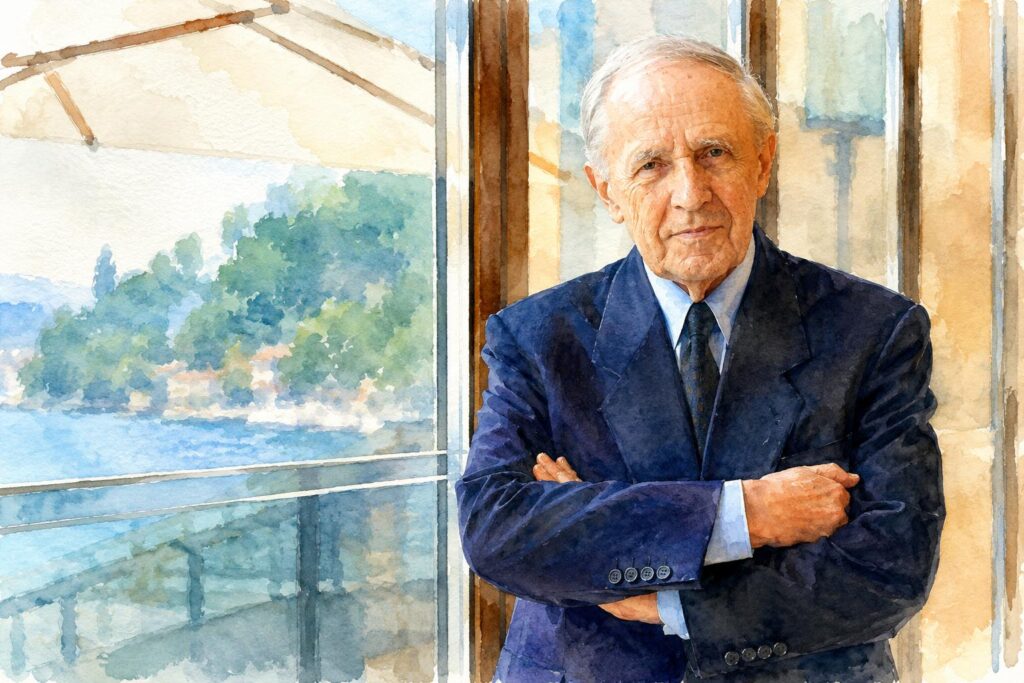
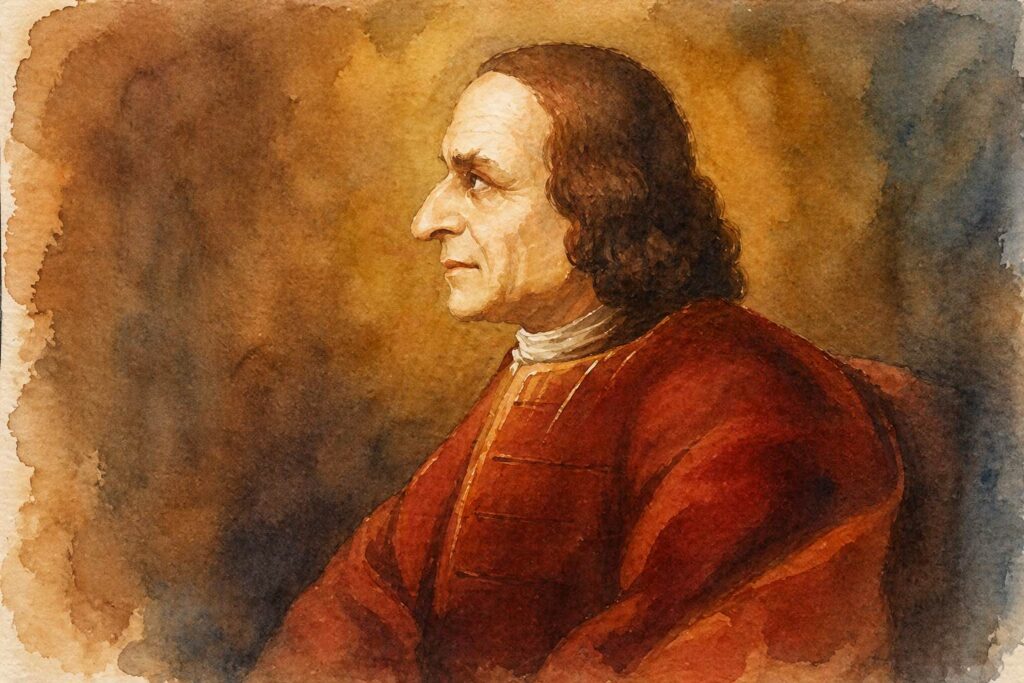
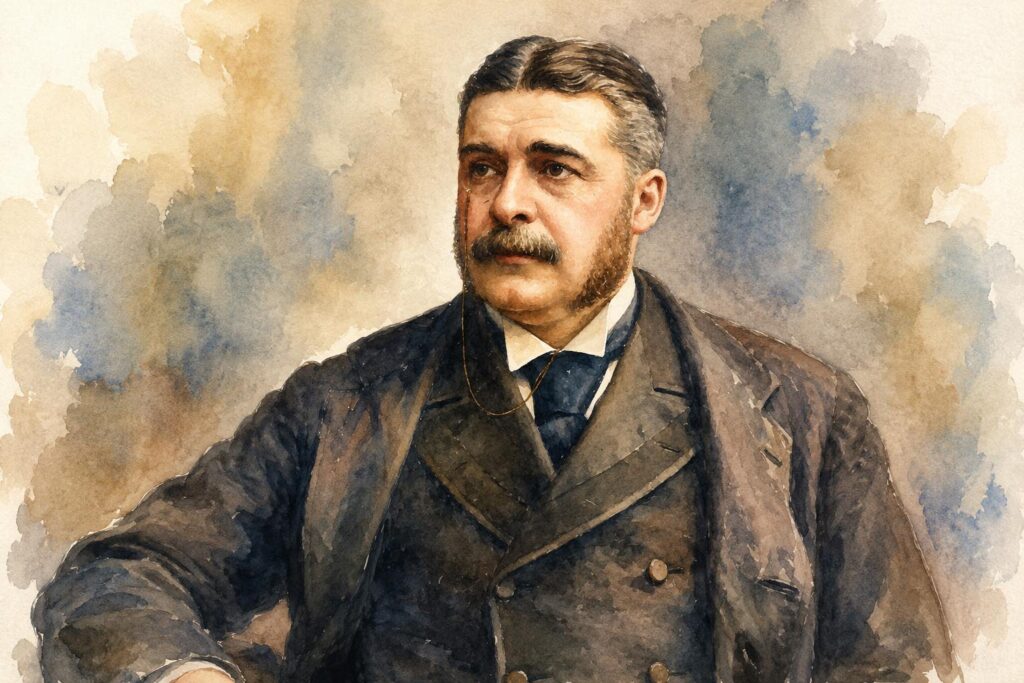
Sir Arthur Sullivan (13 May 1842 – 22 November 1900) stands as one of Britain’s most celebrated 19th‑century composers. Born in London to a Cork‑born military bandmaster and a mother of Irish and Italian descent, Sullivan’s musical pedigree was almost self‑evident: by eight he was playing every instrument in his father’s band and was already composing an anthem.
The young Sullivan received the Royal Academy of Music’s first Mendelssohn Scholarship at age 14, an honour that paved the way for further study at Leipzig’s Conservatoire, where he absorbed the techniques of Mendelssohn, Schubert, Schumann, and the operatic giants Verdi and Wagner. His graduation piece, incidental music for Shakespeare’s The Tempest, was a sensational success in London and set the tone for a career that would straddle the worlds of church music, orchestral works, and, most famously, comic opera.
Early Works and the Rise of the Savoy Operas
Arthur Seymour Sullivan’s early output included a ballet (L’Île Enchantée, 1864), a symphony and a cello concerto (both 1866), and the brilliant Overture di Ballo (1870). While these pieces earned him acclaim, it was his partnership with playwright W. S. Gilbert that would change the face of English musical theatre.
- Thespis (1871) – Sullivan’s first full‑length collaboration with Gilbert.
- Trial by Jury (1875) – A one‑act opera that proved the commercial viability of their partnership and set the stage for a decade‑long partnership.
- The Sorcerer (1877), H.M.S. Pinafore (1878), The Pirates of Penzance (1879) – The trio that catapulted the duo to international fame. Pinafore alone ran for 571 London performances and inspired hundreds of unauthorized productions across the Atlantic.
These works became known as the Savoy Operas, after Richard D’Oyly Carte’s new theatre, the Savoy, built in 1881 on the profits of the partnership. The later masterpieces, The Mikado (1885), The Gondoliers (1889), remained staples of the repertoire, each noted for its sparkling wit and memorable melodies.
Gilbert & Sullivan: A Creative Synergy
The partnership between W. S. Gilbert and Arthur Sullivan was more than a mere business arrangement; it was a dynamic creative symbiosis that redefined English musical theatre. Gilbert’s razor‑sharp wit and impeccable sense of farce supplied the narrative scaffold, while Sullivan’s deft orchestration and instantly singable melodies filled that scaffold with musical life. Their collaboration thrived on a simple yet powerful workflow: Gilbert would craft the libretto, Sullivan would sketch the vocal lines first, often improvising piano accompaniments on the fly, and then meticulously orchestrate each number, sometimes even leaving the overtures to the last minute so he could tailor the instrumentation to the specific staging. This process, coupled with Sullivan’s willingness to explore new harmonic colors within the constraints of a modest theatre orchestra, produced operas that were both dazzlingly popular and musically sophisticated, securing their place as cornerstones of the Western canon.
Beyond Comic Opera: Orchestral and Sacred Music
While Gilbert’s libretto supplied the comedy, Sullivan’s mastery of harmony and orchestration gave the operas their musical gravitas. He was also a prolific composer of serious works:
- Irish Symphony (1869) – A single‑movement symphonic work that showcased his Mendelssohnian clarity and rhythmic vigor.
- The Light of the World (1873), The Martyr of Antioch (1880), The Golden Legend (1886) – Choral and cantata works that earned him recognition in the realm of sacred music.
- Ivanhoe (1891) – His only grand opera, which, despite initial success, fell into relative obscurity in the modern repertoire.
- The Yeomen of the Guard (1888) – A comic opera that, although less popular than the earlier Savoy works, displayed Sullivan’s deepening orchestral sophistication.
In addition, Sullivan wrote hymns such as “Onward, Christian Soldiers” (with Sabine Baring‑Gould) and the popular song “The Lost Chord” (1877, lyrics by Adelaide Anne Procter), both of which remain staples of concert programmes.
Musical Style and Techniques
Arthur Sullivan’s compositional method defied the common notion that “light” music lacked substance. According to contemporary critics and modern scholars:
- Rhythmic Primacy – He “decided on [the rhythm] before [he] came to the question of melody,” shaping motifs around rhythmic patterns that made his tunes instantly memorable.
- Text‑Music Sensitivity – His setting of Gilbert’s libretto was noted for its precise diction and for weaving character‑specific melodic fragments into choruses, a technique described as “counterpoint of characters.”
- Harmonic Balance – Though trained in a classical style, he employed subtle chromaticism and modulation that hinted at Wagnerian influence without overtly adopting Germanic “musical drama.”
- Orchestration Mastery – Sullivan’s orchestral palette was pragmatic; he wrote for the theatre orchestra of his day (typically 30‑odd players) but did not ask for anything “uncongenial or impracticable.” His use of woodwinds, especially clarinets and oboes, and the occasional pizzicato in strings, gave the Savoy operas their distinctive colour.
Personal Life and Legacy of Arthur Sulivan
Sullivan’s personal life was marked by passion, secrecy, and a few public feuds:
- A long‑standing love affair with American socialite Fanny Ronalds, who sang his songs at her soirées and whom he bequeathed The Lost Chord upon his death.
- Brief flirtations with the daughter and sister of engineer John Scott Russell, ending in 1869.
- A brief, unfulfilled marriage proposal to 22‑year‑old Violet Beddington in 1896.
He was knighted in 1883, a testament to his national significance, and died at 58 after suffering from bronchitis and heart failure. Though he never married, he was a generous friend to colleagues and an engaging socialite.
Today, Sullivan’s music remains a benchmark for musical theatre composers worldwide. His ability to blend classical musical discipline with the immediacy of popular theatre set a precedent that influenced generations of composers, from the early twentieth‑century Edwardian musical comedy writers to the modern Broadway composers who still rely on Sullivan’s master‑class integration of melody, harmony, and text.
Sources
- London’s Irish Mozart: Sir Arthur Sullivan
- Arthur Sullivan – Britanica
- English Heritage – Arthur Sullivan
- Arthur Sullivan – Wikipedia
#ArthurSullivan #GilbertAndSullivan #SavoyOperas #EnglishMusic #ComicOpera #VictorianMusic #MusicalTheatreHistory #OnwardChristianSoldiers #TheLostChord #LeipzigInfluence #MendelssohnScholarship #RoyalAcademyOfMusic #OperaInnovation #MusicEducation #BritishComposers