Rooms and Flowers by Vital Varkovic is a sonic manifestation of emotions, a journey from the heart through the hands and fingers, onto the piano keys, through the hammers and strings, and finally into the air, where each note resonates with something that words can rarely express. There is something deeply personal about solo piano music, especially when it is stripped of elaborate arrangements and left to speak in its most intimate form. On his debut album, Varkovic brings together thirteen original compositions, creating a collection of quiet reflections, lyrical melodies, and melancholy moods that feel less like performances and more like private thoughts shared with the listener.
Rooms and Flowers by Vital Varkovic: Thirteen Emotional Portraits
Built around the intimate sound of the felt piano, Rooms and Flowers unfolds as thirteen emotional snapshots stretched across time. Eleven of the pieces were previously released as singles, primarily throughout 2025 and 2026, while the opening track, “First Floor,” and the eighth piece, “I think you need a flower,” are new compositions making their debut here. Together, they form a musical world that feels familiar and introspective, as though we have entered a series of rooms in which different versions of the same person are quietly waiting.
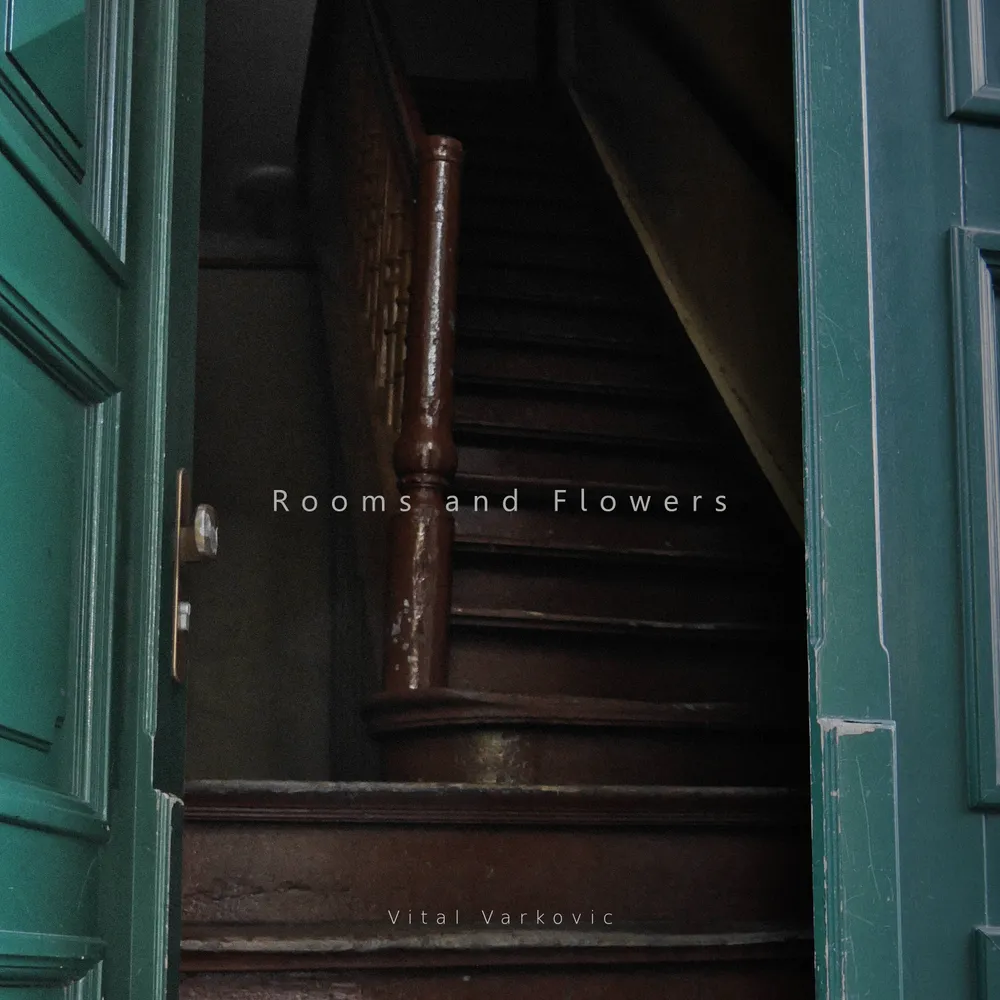
“First Floor” opens the album and immediately establishes its emotional language. Slow arpeggios, delicate harmonies, and lyrical melodic phrases create a soft, contemplative atmosphere. The piano does not shout for our attention; instead, it invites us to slow down and listen. There is a certain vulnerability in its restrained delivery, as if the music is reluctant to reveal everything at once.
From there, the album continues through “Steps in Reflection,” “Maybe Tomorrow,” “minutes ago, more or less,” and “Drive.” The titles themselves suggest movement through memory, anticipation, and everyday life, yet the music rarely feels hurried. Varkovic seems more interested in capturing the emotional residue of an experience than narrating the experience itself. His compositions dwell in the spaces between events, where thoughts linger and feelings remain unresolved.
The album continues with “In Need of Light,” “Lights,” and “I think you need a flower,” where the piano timber slightly changes, you can hear a subtle resonance of the strings, almost a metallic sound, yet not distorted, it sits within the texture of the music and creates a melancholic atmosphere. The album is followed by “No Reason to Move,” “Like Any Other Day,” “Silent Bloom,” and “Carousel.” Each piece captures its own emotional moment while remaining part of the album’s intimate, melancholic atmosphere. Finally, “Fade” brings the collection to a gentle close, leaving behind the same quiet, reflective feeling that runs throughout the album.
A Soundtrack for an Estonian Autumn
There is a certain consistency to Rooms and Flowers that deserves consideration. The album does not rely on dramatic contrasts, sudden changes of direction, or grand emotional climaxes. Its thirteen compositions inhabit a relatively narrow emotional landscape, moving between melancholy, tenderness, stillness, and occasional warmth. Listeners looking for considerable stylistic variety or sharply contrasting musical gestures may find this approach repetitive at times. Yet I also think that this restraint is central to the album’s identity. Varkovic is not trying to construct thirteen separate worlds; he is exploring different corners of one emotional space.
The felt piano plays an essential role in shaping that experience. Its softened timbre removes some of the instrument’s usual brilliance, leaving behind a more intimate, almost tactile sound. The notes seem to emerge from a place close to the body, with the natural resonance of the piano lending the music a sense of closeness. There is little need for embellishment when the instrument itself already carries so much atmosphere.
As I write this review, I find myself looking out of my window at the Estonian autumn. The sunlight is dimmed behind heavy clouds, the sky looks ready to release its rain, and the world outside seems peaceful, soft, and slightly gloomy. It is one of those afternoons when the boundaries between indoors and outdoors feel strangely blurred, when sitting quietly with a cup of tea and watching the weather change seems like a perfectly reasonable way to spend an hour. I cannot think of a more fitting backdrop for Varkovic’s music.
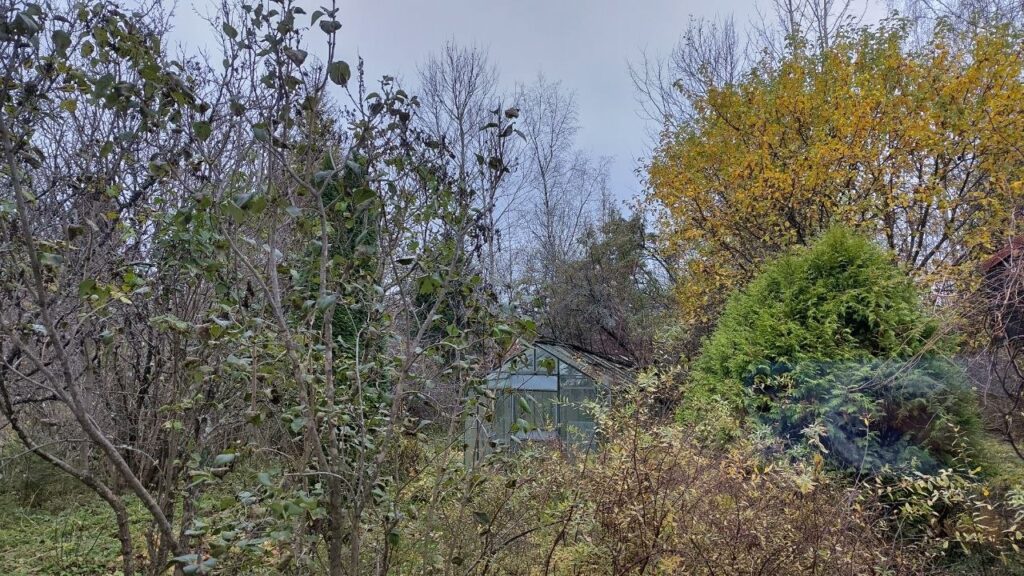
The piano becomes a companion to the landscape, not by imitating the sound of rain or attempting to illustrate the weather, but by sharing its emotional temperature. There is a lyrical quality to these compositions, a sense of wordless singing that makes the piano feel almost like a human voice. The melodies do not tell us exactly what to feel, nor do they insist on a particular interpretation. Instead, they leave room for our own memories, associations, and private moments of sadness or hope.
Perhaps this is where the album’s title becomes especially meaningful. Rooms could suggest interior spaces, places of solitude and reflection, while flowers suggest life, tenderness, and the possibility of growth. Between the two lies the emotional territory Varkovic explores throughout the album: the quiet, sometimes lonely spaces we inhabit, and the small things that make them feel a little less empty.
A Quiet Invitation to Listen
Rooms and Flowers by Vital Varkovic is not an album that asks to be played loudly or treated as the centrepiece of a busy evening. Its strengths emerge when we give it space, allowing the pieces to accompany our thoughts without competing with them. Although the album’s consistent mood occasionally limits its sense of progression, its intimacy and restraint make it an appealing companion for solitary listening, reading, or simply watching the changing light outside a window.
For a debut album, this collection establishes a clear artistic identity. Vital Varkovic understands the emotional possibilities of the solo piano and uses them to create music that is personal without becoming overly explicit. There is melancholy here, certainly, sometimes more than one might wish for, but there is also warmth and the quiet suggestion that light can find its way into even the most introspective corners of our lives.
Ultimately, for me, Rooms and Flowers feels like a collection of small, wordless songs for those moments when language becomes unnecessary. It is music for cloudy afternoons, fading daylight, familiar rooms, and thoughts that refuse to settle. As the final notes of “Fade” disappear, the album leaves behind no grand statement, only a lingering atmosphere and the feeling that, for a little while, we have been allowed to sit quietly with ourselves.
And sometimes, especially in an Estonian autumn, that is more than enough.
#VitalVarkovic #RoomsAndFlowers #PianoMusic #SoloPiano #FeltPiano #ContemporaryClassical #Neoclassical #PianoComposition #InstrumentalMusic #AmbientPiano #EmotionalMusic #MelancholicMusic #ModernClassical #MusicReview #Tunitemusic