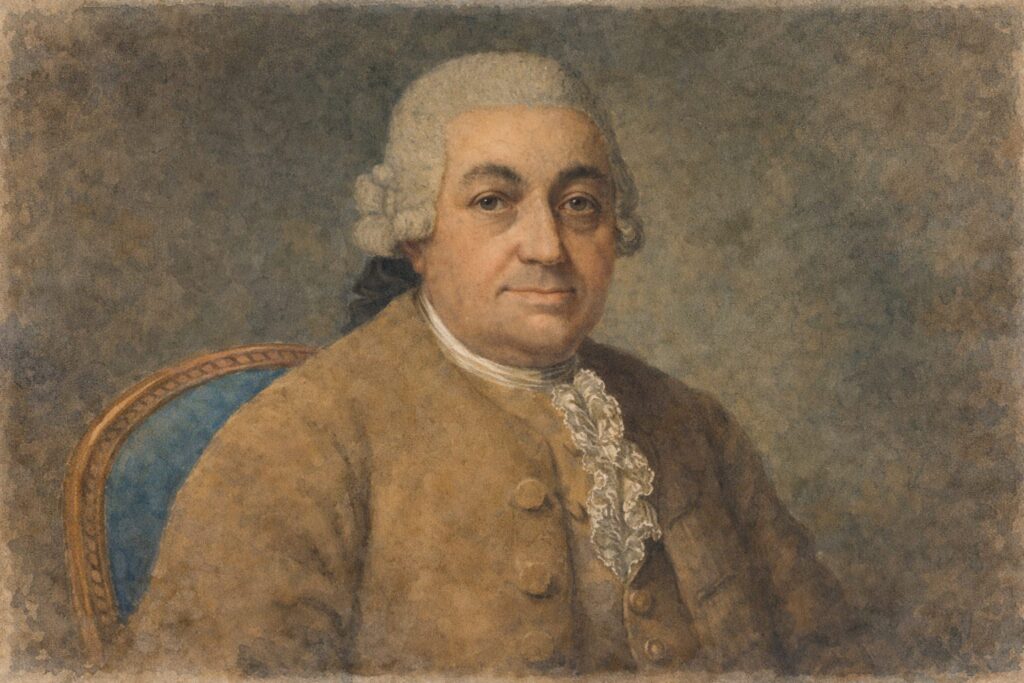
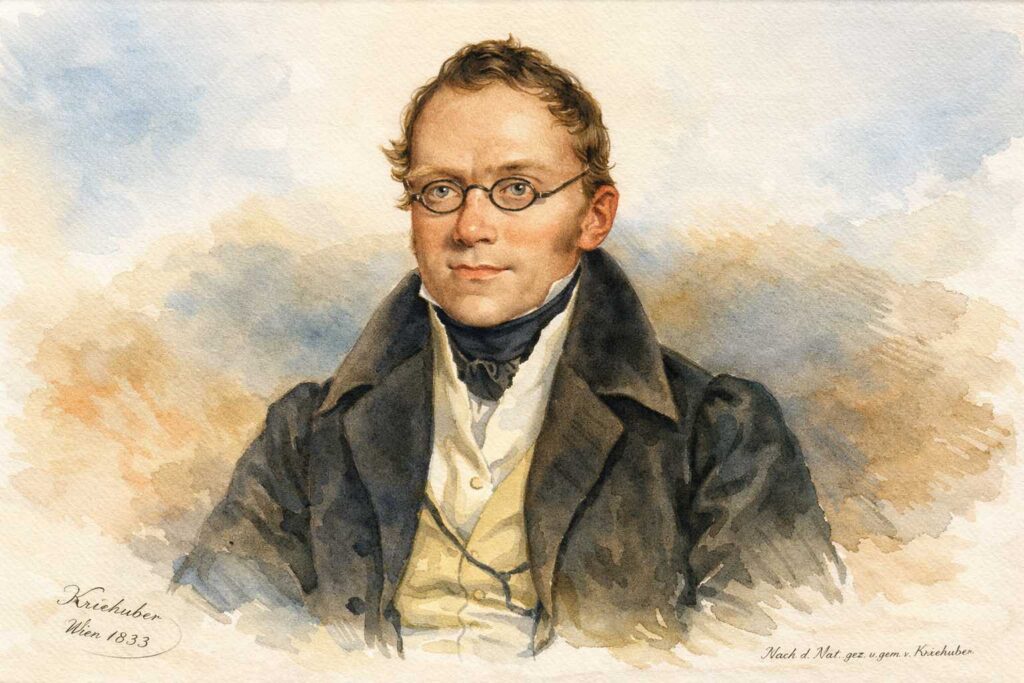
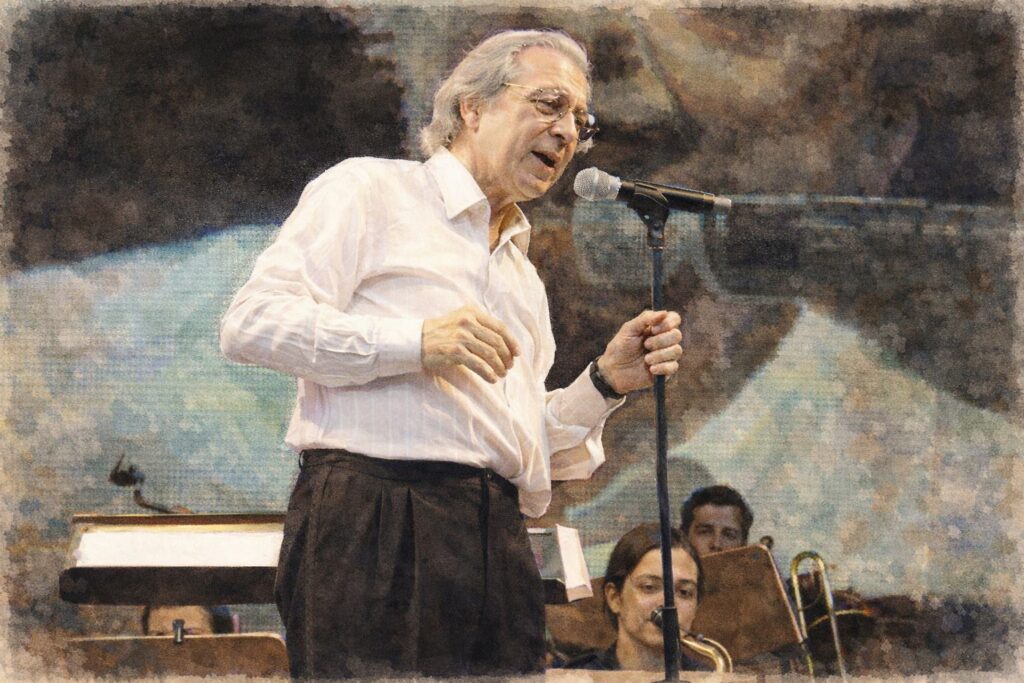
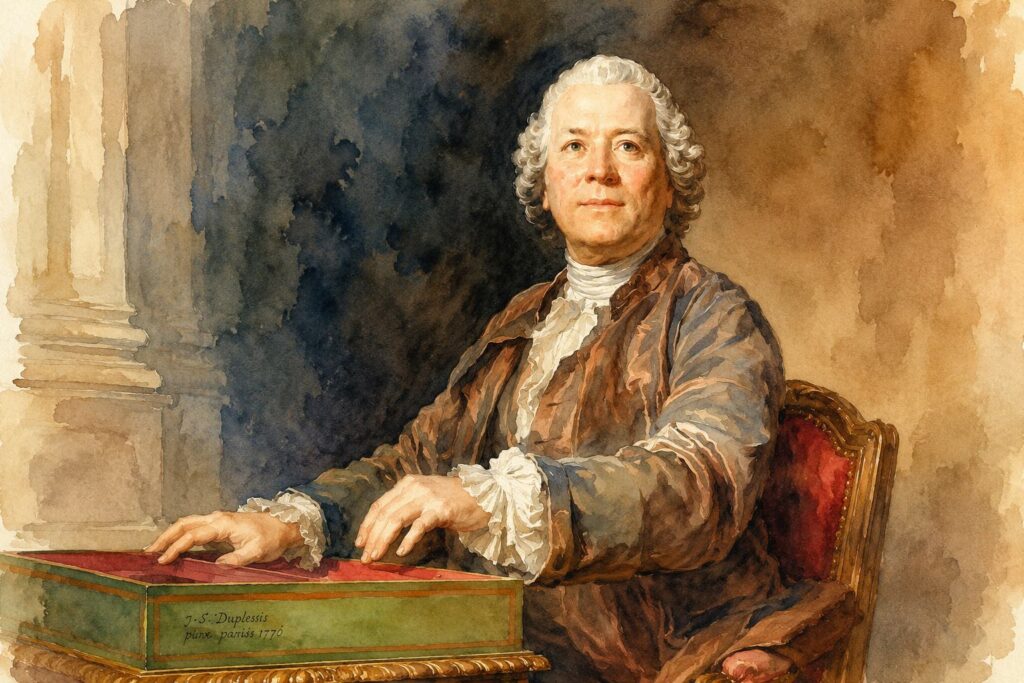
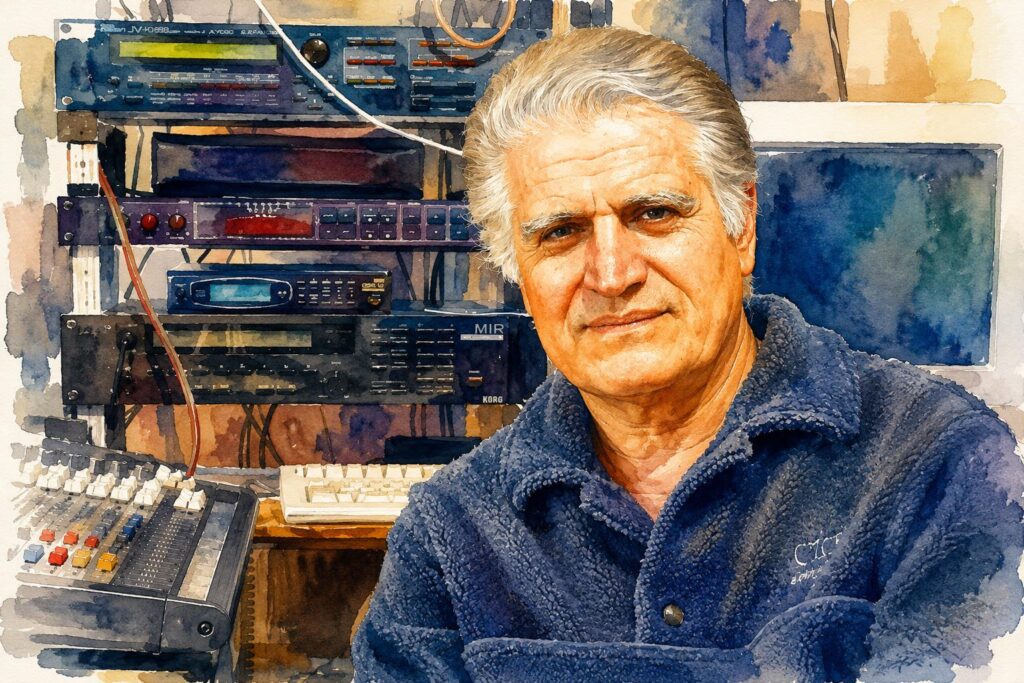
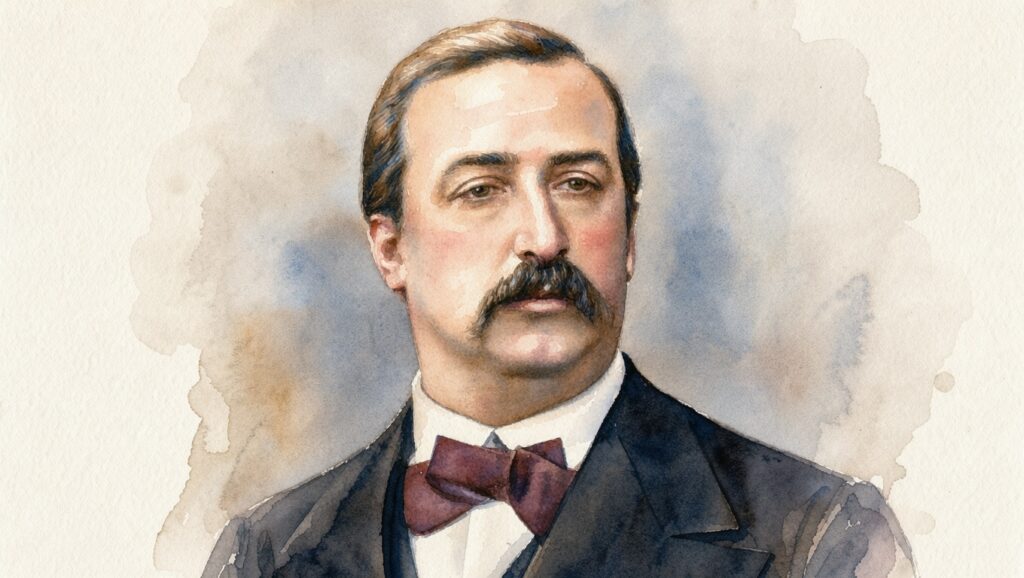
Cyrillus Kreek (3 December 1889 – 26 March 1962) was a towering figure in Estonian classical music, a composer whose work defined the nation’s cultural identity during a turbulent era of political upheaval and national awakening. As one of the most prominent figures in Estonian musical history, Kreek bridged the gap between the romantic traditions of the 19th century and the modernist sensibilities of the 20th. His compositions, ranging from symphonies and operas to choral works and piano pieces, are characterized by their profound emotional depth, intricate harmonic language, and deep connection to Estonian folklore. Kreek’s legacy is not merely that of a creator of beautiful melodies, but of a cultural architect who helped establish a distinct Estonian musical voice on the world stage. His life’s work serves as a testament to the resilience of art in the face of oppression, as he navigated the treacherous waters of Soviet occupation while maintaining his artistic integrity.

Early Life and Musical Foundations
Cyrillus Kreek was born in the village of Pähkla, near Viljandi in southern Estonia. His early years were marked by a deep immersion in the rural soundscape of Estonia, which would later become a defining characteristic of his compositional style. The folk songs, rhythms, and stories of the Estonian countryside left an indelible mark on his artistic sensibility. Kreek showed an early aptitude for music, learning to play the organ and piano at a young age. His formal musical education began at the Tallinn St. Nicholas Cathedral School, where he studied organ and composition.
In 1908, Kreek moved to St. Petersburg to study at the Conservatory. This period was crucial for his development, as he was exposed to the rich musical traditions of Russia and the broader European classical repertoire. He studied under notable teachers, including Alexander Glazunov, one of the most prominent Russian composers of the time. The influence of Glazunov and the Russian nationalist school of composition can be heard in Kreek’s early works, which often blended Western European forms with Estonian folk elements. However, Kreek was not content to simply imitate his teachers; he sought to forge a unique path that would reflect his own cultural heritage.
The Formative Years and National Awakening
Kreek returned to Estonia in 1914, just as the First World War was beginning. This period coincided with a surge of Estonian national consciousness, as the country sought to define itself against the backdrop of the collapsing Russian Empire. Kreek became an active participant in this cultural movement, contributing to the establishment of a distinct Estonian musical identity. He was involved in various musical organizations and choirs, and his early compositions began to gain recognition.
One of his earliest major successes was the song cycle “Laulud” (Songs), which showcased his ability to set Estonian poetry to music with sensitivity and nuance. These works demonstrated his deep understanding of the Estonian language and its musical qualities. Kreek’s music during this period was characterized by a lyrical, romantic style, but it also contained hints of the more complex harmonic language that would develop in his later years.
The years following the First World War were a time of great change for Estonia. The country declared independence in 1918, and Kreek became a central figure in the cultural life of the new nation. He served as the director of the Estonian Opera from 1919 to 1920, and later as the conductor of the Estonian Song Festival choir. These roles allowed him to shape the musical direction of the country and to promote the works of other Estonian composers.
Major Works and Artistic Evolution
Kreek’s output was vast and diverse, encompassing symphonies, operas, chamber music, choral works, and piano pieces. Among his most significant works is his “Symphony No. 1 in D minor,” which is considered a landmark of Estonian orchestral music. The symphony is characterized by its dramatic intensity, rich orchestration, and incorporation of folk themes. It remains one of the most frequently performed works in the Estonian orchestral repertoire.
Another major work is the opera “Võlg” (The Debt), which premiered in 1928. The opera is based on a novel by Friedrich Reinhold Kreutzwald, a foundational figure in Estonian literature. “Võlg” is a powerful drama that explores themes of honor, guilt, and redemption. The music is richly orchestral and vocally demanding, and it showcases Kreek’s ability to create compelling characters through music. The opera was well-received in Estonia and helped to establish Kreek as a leading figure in the country’s cultural life.
Kreek’s choral music is perhaps his most enduring legacy. He wrote numerous works for choir, including motets, hymns, and song cycles. His choral works are characterized by their intricate polyphony, rich harmonies, and deep spiritual depth. Many of these works are based on Estonian folk songs or religious texts, and they have become staples of the Estonian choral repertoire. The Estonian tradition of choral singing, which is recognized by UNESCO as an Intangible Cultural Heritage, owes much to Kreek’s contributions.
His piano music is also noteworthy. Kreek wrote several sonatas, preludes, and suites for piano, which display his mastery of the instrument and his ability to create evocative musical images. His “Sonata No. 1 in E minor” is a particularly powerful work, characterized by its dramatic contrasts and technical demands.
The Soviet Era and Artistic Resistance
The occupation of Estonia by the Soviet Union in 1940 marked a dark chapter in Kreek’s life. The Soviet regime imposed strict censorship on the arts, demanding that composers adhere to the principles of Socialist Realism. This meant that art should be accessible, optimistic, and supportive of the state’s ideology. Kreek, however, was not willing to compromise his artistic integrity to suit political needs.
During this period, Kreek’s style became more introspective and complex. He wrote fewer large-scale works, and those he did write were often more abstract and less overtly nationalistic. This was a strategic choice, as overtly nationalistic works were likely to be banned. Instead, Kreek turned to more universal themes, such as love, death, and the human condition. His music from this period is often described as “inner emigration,” a term used to describe artists who withdrew from public life but continued to create art that reflected their true beliefs.
One of the most significant works from this period is his “String Quartet No. 4,” which is characterized by its dark, brooding atmosphere and complex harmonic language. The quartet is a powerful expression of the human spirit in the face of oppression, and it remains one of Kreek’s most respected works.
Despite the constraints of the Soviet regime, Kreek continued to teach and to influence a new generation of Estonian composers. He taught at the Tallinn State Conservatory, where he trained many of the country’s leading musicians. His students included Arvo Pärt, who would go on to become one of the most famous contemporary classical composers in the world. Pärt has often cited Kreek as a major influence on his own music, particularly in terms of his approach to harmony and texture.
Legacy and Importance
Cyrillus Kreek’s importance in Estonian culture cannot be overstated. He is widely regarded as one of the greatest Estonian composers of all time, alongside his contemporaries Artur Kapp and Rudolf Tobias. His work helped to establish a distinct Estonian musical identity, and his influence can be heard in the music of generations of composers who followed him.
Kreek’s music is characterized by its emotional depth, technical sophistication, and deep connection to Estonian culture. He was able to blend Western European compositional techniques with Estonian folk elements to create a unique and powerful musical language. His works are performed regularly in Estonia and abroad, and they continue to resonate with audiences around the world.
In the broader context of music history, Kreek occupies a unique position. He was a bridge between the romantic and modernist eras, and his work reflects the tensions and transformations of the 20th century. His ability to maintain his artistic integrity in the face of political pressure is a testament to his strength of character and his commitment to his art.
For students of music composers, Kreek offers a rich field of study. His works display a wide range of styles and techniques, from the lyrical romanticism of his early songs to the complex polyphony of his choral works and the abstract modernism of his later chamber music. His music is a window into the cultural and political history of Estonia, and it provides valuable insights into the role of art in times of crisis.
The legacy of Estonian Composers is deeply intertwined with Kreek’s work. He helped to establish the foundations of a national musical tradition, and his influence can be heard in the music of many of his successors. Today, he is celebrated as a national hero, and his works are an integral part of Estonia’s cultural heritage.
Conclusion
Cyrillus Kreek’s life and work are a testament to the power of art to transcend political and social boundaries. He was a composer who remained true to his vision, even in the face of immense pressure. His music continues to inspire and move audiences, and his legacy as one of Estonia’s greatest cultural figures is secure. As we look to the future, Kreek’s works remind us of the importance of cultural identity, artistic integrity, and the resilience of the human spirit.
#CyrillusKreek #EstonianMusic #ClassicalMusic #EstonianComposer #MusicHistory #ChoralMusic #EstonianCulture #ArturKapp #SovietEra #MusicLegacy #Estonia #ClassicalComposer #FolkMusic #Symphony #Opera #MusicEducation #BalticMusic #ChoralSinging #EstonianHeritage #ModernClassical