For independent musicians in Estonia, artists releasing originals, gigging locally, producing for others, or building niche scenes, the real opportunity is creative talent monetization without diluting the work. The tension is familiar: strong songs and solid performances don’t automatically translate into steady income, and the usual music business challenges, unclear positioning, inconsistent demand, and scattered revenue, keep momentum fragile. A sustainable career requires treating music as both craft and enterprise, with decisions that protect creativity while supporting reliable cash flow. That shift toward artistic entrepreneurship is what turns sporadic wins into sustainable music careers.

Understanding the Music Business Building Blocks
Music entrepreneurship is the habit of turning creative work into reliable value for specific people, without losing your artistic identity. In practice, it connects four basics: define who you serve, shape clear offers, attract clients consistently, and protect time for creation.
This matters because vague audiences and fuzzy offers produce random results. When you know your listeners and buyers, you can choose the right products and partnerships, and entrepreneurial strategies can turn ideas into viable opportunities instead of one-off wins.
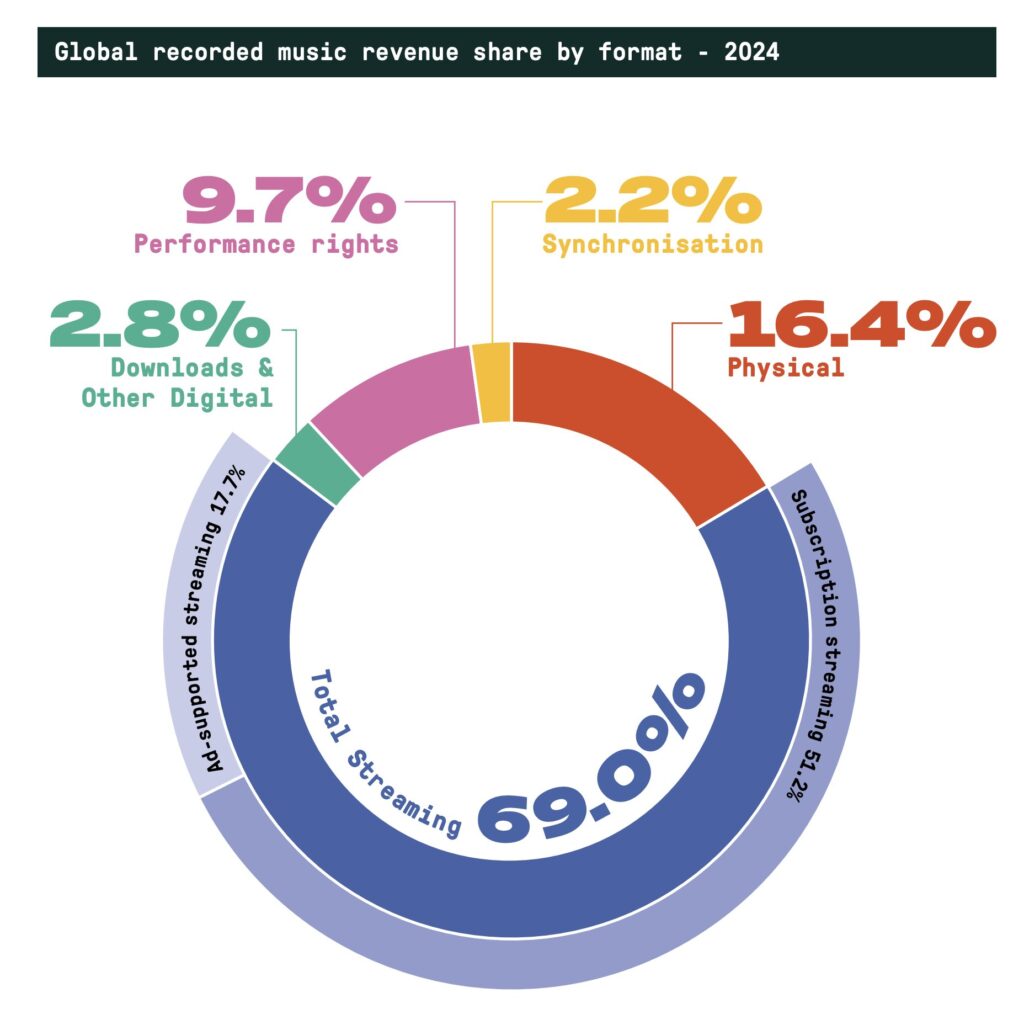
Think of it like running a small café: you do not just “make food,” you pick a crowd, set a menu, and create reasons to return. A musician can do the same by offering targeted shows, licensing, lessons, or content where the global market size supports paid learning. With the basics clear, training can convert them into repeatable research, marketing, and budgeting habits.
Use Structured Business Study to Sharpen Your Music Decisions
Once you understand the basic building blocks of a music business, the next advantage is having a consistent way to make decisions instead of relying on guesswork. A business degree can give creative professionals practical skills in marketing, finance, operations, and entrepreneurship, tools that help turn talent into something sustainable and profitable.
Marketing training helps you position what you do so the right listeners, venues, collaborators, or clients can find it; finance helps you plan and track money so your creative work supports your life; operations skills support reliable delivery of what you promise; and entrepreneurship connects all of it into a workable business model you can actually run. If you’re considering that path, you can give it a once-over to see what a business bachelor’s program looks like.
Earning an online degree also adds flexibility: you can build these skills while balancing gigs, a day job, family, and other responsibilities, without putting your life on hold. With that foundation in place, you’re ready to apply it through a clear launch plan and start building momentum step by step.
Turn Your Music Into a Simple Weekly Business Plan
This process helps you turn your music skills into a small, repeatable business system: know who you serve, package what you sell, find paying work, and keep delivery consistent. It matters because most people do not fail from lack of talent, but from unclear offers, inconsistent outreach, and messy follow-through.
- Define one audience you can serve this month
Write down one specific listener or buyer profile and one clear problem you solve for them (for example: “artists who need affordable mixing” or “venues that need a reliable weekend act”). Validate your choice by scanning what already exists and what people seem to be paying for, using a quick check like performing competitive analysis to spot gaps you can realistically fill. - Package your music into 1 to 3 sellable offers
Choose a small set of products or services with clear deliverables, a timeline, and a starting price (for example: a 30-minute live set, a beat lease, a mixing package, or a songwriting session). Keep the first version simple so you can ship it fast, learn what sells, and improve it instead of perfecting it in isolation. - Pick a basic operating setup and decision rules
Decide how you will run the business day to day: one calendar for bookings, one place to track money, and one way to store files and contracts. If you are ready to formalize, select a business structure so you can separate personal and business responsibilities and reduce confusion as you grow. - Do daily outreach and make it easy to say yes
Set a tiny, repeatable target like five messages per day to potential clients, collaborators, or bookers, and lead with one offer and one next step (a short call, a link to a reel, or two available dates). Start close to home by contacting local and regional recording artists or adjacent businesses, then track replies so you can follow up calmly instead of guessing. - Protect your creative time with a weekly rhythm
Block two types of sessions on your calendar: creation (writing, rehearsal, production) and operations (outreach, admin, delivery). End each week with a 15-minute review: what sold, what took too long, and what you will stop doing next week.
Common Music Business Questions in Estonia
Q: What do I need to register a music business in Estonia?
A: You typically need a clear legal form, a way to invoice, and a compliant setup for registration. Many founders forget basics like a legal address and a contact person service when required, so confirm these early to avoid delays.
Q: How should I handle taxes and income when gigs and royalties vary?
A: Treat every payment as business income and record it the same day it arrives. Keep a separate account, set aside a fixed percentage for taxes, and reconcile monthly so you are not surprised later.
Q: What contracts should I use for collaborations and sessions?
A: Use simple written agreements that state deliverables, deadlines, payment terms, and who owns what. Even a one page split sheet and a basic services contract can prevent expensive misunderstandings.
Q: How can I avoid losing track of rights and credits online?
A: Standardize your artist identity across platforms and documentation. An international standard name identifier helps separate you from similarly named creators and can reduce royalty and credit confusion.
Q: What marketing works when my budget is close to zero?
A: Pick one primary channel and publish consistently around one offer, not everything you do. Collect emails at shows and after releases, and reuse the same short proof points in every pitch.
Turn Estonia’s Music Scene Into Sustainable Entrepreneurial Momentum
Estonia rewards talent, but the real tension is keeping creative work steady while staying compliant, paid, and visible. Long-term music career planning helps resolve that pressure by combining artistry and business into one coherent practice, anchored in clear decisions and repeatable habits. Applying that mindset and the payoff is sustainable creative growth: fewer costly surprises, stronger partnerships, and a clearer path through the music entrepreneurship success factors that actually matter. Build the business so the music can last.