A Memory of Some Other Place by Benjamin Sheehan is an instrumental album that feels less like a collection of compositions and more like a personal contemplation on memory, time, and the quiet weight of life. Following a narrative that gradually moves from warmth and nostalgia into darkness and uncertainty before finding a fragile sense of hope, the album unfolds almost like a cinematic journey through recollections that have changed with time.
The piano stands at the center of the record, accompanied by strings, synthesizers, and a carefully chosen palette of acoustic and electronic instruments. Musically, it occupies an interesting space somewhere between neoclassical, contemporary classical, cinematic crossover, ambient, and New Age. The opening pieces are gentle, intimate, and almost easy listening in character. At moments they reminded me of the melodic accessibility of Yanni, yet Benjamin Sheehan’s musical language is considerably more introspective. Beneath the beauty of the melodies there is always a quiet melancholy, as though every pleasant memory carries the awareness that it cannot be revisited.
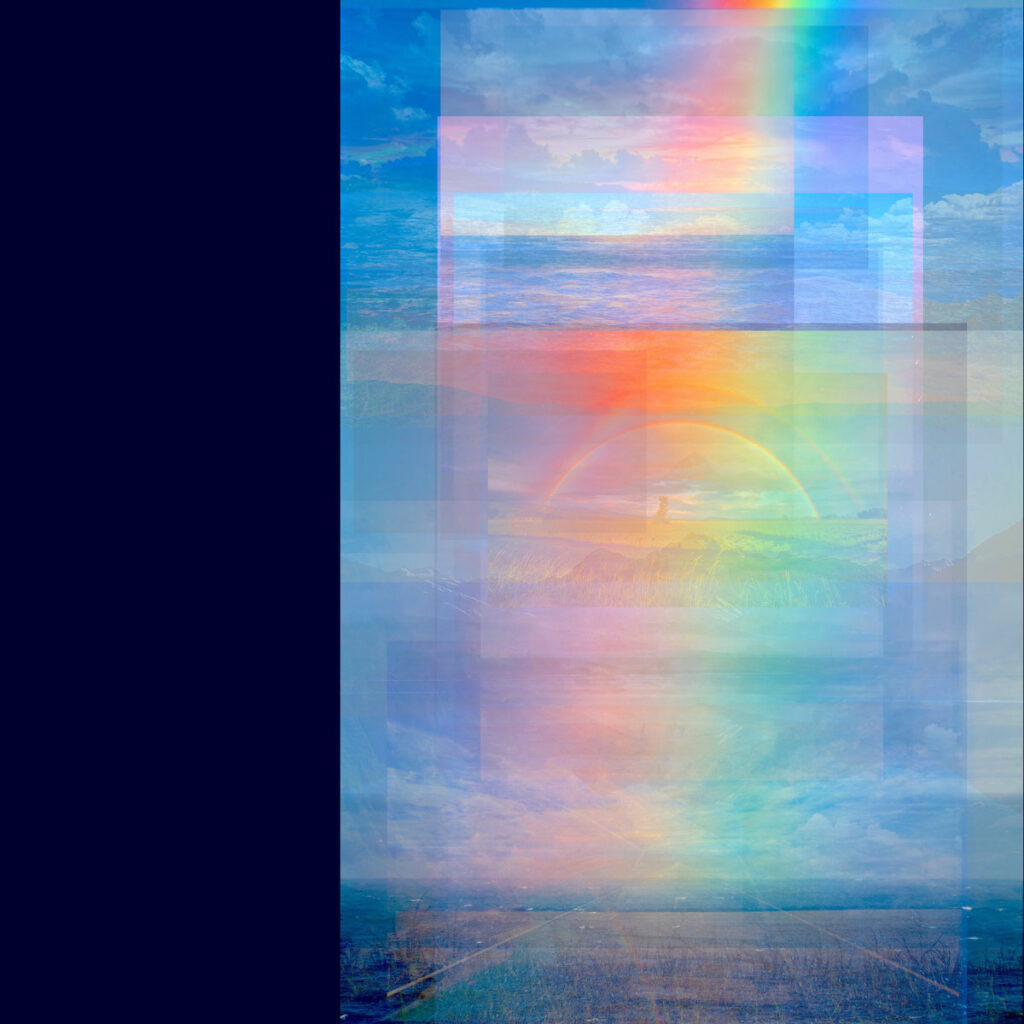
One of the album’s greatest strengths is its refusal to remain stylistically static. Rather than settling into a single musical identity, each piece approaches the central theme from a different perspective. The transitions never feel forced because the emotional narrative remains consistent, even as the musical language changes.
That evolution becomes particularly noticeable with “Nightmare in the Midday Sun.” Here the harmony grows colder, rhythmic figures become more persistent, and subtle minimalist influences begin to emerge. Repetition is used not simply as a compositional device but as psychological tension, reflecting the obsessive nature of painful memories that refuse to disappear.
The emotional centerpiece of the album is undoubtedly “Agony for Three and a Half Pianos.” Built around hypnotic ostinato patterns, the work gradually expands through layers of sound design and increasingly distorted piano textures. The piece constantly balances between acoustic performance and electronic transformation, pushing the instrument to its limits before unexpectedly returning to clarity in its closing moments. It is one of the album’s most ambitious compositions and, in my opinion, its masterpiece.
From there the record continues its gradual transformation. “Crashing into the Sun” embraces experimental synthesizers and cinematic textures, moving further away from conventional harmonic writing. As the album progresses, acoustic instruments slowly give way to electronic soundscapes, and the music becomes increasingly contemporary in both language and atmosphere. It is a natural progression rather than a sudden stylistic shift, mirroring the way memories themselves can become distorted over time.
“Elegy for a Flower,” the longest composition on the album, explores dark ambient territory. It is spacious, patient, and emotionally restrained, allowing silence and texture to become as important as melody. “Alone in the Snow” returns to the piano, accompanied by recordings of birds and repetitive arpeggios that create a striking image of isolation without becoming overly sentimental.
Just when the listener begins to settle into this intimate atmosphere, “Surrounded” dramatically changes the perspective with an epic orchestral sound. The contrast is effective, broadening the emotional scale of the album without losing its personal voice. “A Memory Lost” then returns to a more vulnerable expression, where piano and viola share a quiet lament, while “Winter Escape” combines legato strings, rhythmic beats, and sharp staccato writing to create one of the record’s darker moments.
Although the emotional trajectory often moves toward despair, Benjamin Sheehan never allows the music to become hopeless. Even at its darkest, there remains a sense of searching rather than surrender. That quality ultimately makes the closing track, “Ascendant Memory,” feel earned instead of optimistic for optimism’s sake. Hope arrives quietly, almost cautiously.
The general mood of the album is calm, reflective, and soothing. It works beautifully as atmospheric background listening (with few tracks being exception of course), but that would only reveal one layer of what it offers. Beneath its delicate surface lies thoughtful compositional writing, rich harmonic ideas, and enough emotional depth to fully command the listener’s attention when heard with focus.
A Memory of Some Other Place by Benjamin Sheehan succeeds because it never tries to impress through technical display alone. Instead, it invites the listener into a deeply personal meditation on remembrance, loss, and resilience. It is an album that rewards patience, revealing new emotional details with each listen, and one that demonstrates Benjamin Sheehan’s ability to move comfortably between neoclassical lyricism, cinematic composition, ambient sound design, and contemporary classical writing without ever losing his own voice.
A Memory of Some Other Place is an entirely self-crafted work by Benjamin Sheehan, who composed, produced, mixed, and mastered the album. Sheehan also performed the piano, keyboards, synthesizers, glockenspiel, guitar, and string bass, as well as creating the album artwork and booklet design. The only guest performance comes from Nate Sheehan, who plays viola on the track “Headlights.”
#BenjaminSheehan #AMemoryOfSomeOtherPlace #AlbumReview #InstrumentalMusic #ContemporaryClassical #NeoClassical #CinematicMusic #AmbientMusic #NewAgeMusic #PianoMusic #IndependentMusic #Bandcamp #ModernClassical #MusicReview #Tunitemusic
This post was written as part of a promotional service provided by Tunitemusic, based on information submitted by the artist.