Independent musicians releasing music into Estonia’s small, passionate scene often hit the same wall: the creative work feels clear, but the business side of offering music services – composing, session work, licensing, and teaching – feels like constant second-guessing. Pricing for those services gets improvised, contract basics feel intimidating, and creative time management collapses under the pressure to write, rehearse, release, and promote at once. These challenges don’t mean the work isn’t good, they mean the business side lacks a system. With the right foundation, independent musicians can make decisions faster and protect more time for the music.
Quick Summary: Master the Music Business
- Set clear pricing for your music services (i.e., composition, session work, licensing, and teaching) to reduce stress and negotiate confidently.
- Use simple contracts to clarify scope, rights, timelines, and expectations before starting work.
- Send professional invoices to get paid on time and keep client communication clean.
- Build a repeatable music project workflow to move from idea to release with fewer delays.
- Track income and expenses and market authentically to support sustainable, confident growth.
Build Pricing and Money Confidence With Structured Business Learning
Once you’ve got a clear checklist, the next confidence boost comes from learning the “why” behind each business choice. Earning a business degree can give creatives practical, transferable skills in pricing strategy, financial management, contracts, marketing, and operations, so you can make decisions with less guessing and build simple systems that support your work without draining your creative energy.
Studying online can make that learning feel realistic: you can keep releasing music, taking gigs, and collaborating while you study, then immediately apply what you’re learning to real quotes, budgets, and agreements. If you’re curious about accredited online options, you may want to check this out as a starting point for exploring business degree study.
Build a Simple Music Business System That Sticks
This process turns business basics into a repeatable routine: you set prices, use simple paperwork, and keep projects and money organized without losing your creative momentum. For independent music fans following Estonian releases and industry shifts, it also helps you spot which artists and teams run sustainably and why that often shows up in more consistent output.
- Choose pricing models you can explain
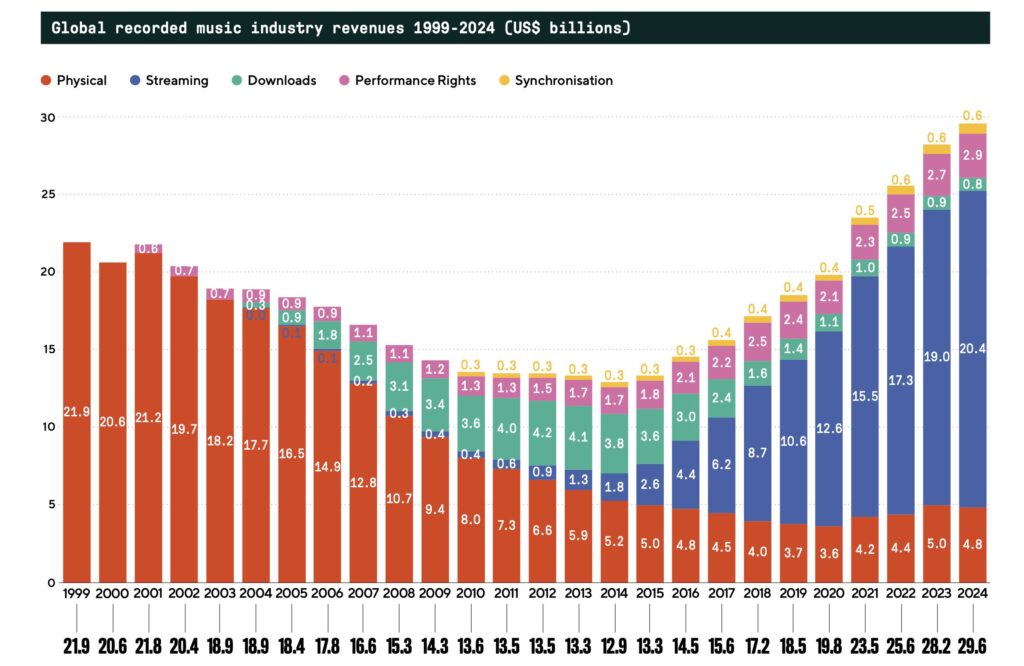
Start with 2 to 3 pricing options you will use every time: a fixed fee (clear deliverables), an hourly or day rate (uncertain scope), and a tiered package (good, better, best). Write one sentence for each that explains what’s included and what triggers extra costs because the global music industry moving toward pricing as main driver rewards clarity and confidence over guesswork. - Adapt a basic contract for every project
Create a one page template you can reuse, then fill it in per job: who is involved, what you will deliver, timeline, payment schedule, and rights usage. Add two protective lines that prevent headaches: one for revisions (how many are included) and one for scope changes (how new requests get quoted). - Send clean invoices and get paid predictably
Use a simple invoice template with your name, client details, invoice number, date, line items, total, and payment terms like “due in 7 days.” Include a late fee line only if you are comfortable enforcing it, and always attach the contract so the paperwork stays consistent. - Set a project workflow and time boundaries
Run every job through the same mini pipeline: intake notes, agreement signed, deposit paid, work blocks scheduled, delivery, final payment, and quick wrap up. Put office hours on your calendar and define response time so you can protect writing and rehearsal time while still looking professional. - Track finances lightly and market without cringe
Once a week, log income and expenses in a single spreadsheet with three columns: date, category, amount, plus a notes field for what it was for. Then promote in a documentary style: share what you made, why it matters, and where to listen. Small improvements in consistency and discoverability compound over time, especially in a close-knit scene where word of mouth still carries real weight.
Music Business FAQs for Independent Musicians
Q: What should I do when a contract clause feels unfair but I still want the gig?
A: Ask for a small, specific change instead of rewriting everything. Try: “Can we limit usage to 12 months?” or “Can we cap revisions at two rounds?” If they refuse, offer a priced upgrade for the risky part so you stay protected without sounding combative.
Q: How do I negotiate rates without feeling pushy or salesy?
A: Lead with clarity, not persuasion: state your option, what it includes, and what changes the price. Then ask one calm question like, “Which option fits your timeline and budget?” Silence after the question is professional, not awkward.
Q: What musician tax basics should I know if I’m paid like a contractor in Estonia?
A: In Estonia, freelance income is typically declared through the Tax and Customs Board, and self-employed musicians are generally responsible for both income tax and social tax. Setting aside roughly 40 to 45 percent from each payment is a reasonable starting point given how social tax is calculated on gross income. Track deductible business expenses the same week you make them — gear, software, travel to gigs — and consider registering as a sole proprietor (FIE) if you’re working regularly, since it can simplify both invoicing and filing.
Q: Can I market my releases like news, not a hard sell?
A: Yes. Share the story, credits, and context, then give one clear listening link and stop there. Consistency beats hype, especially when you show up as a documentarian of your own work.
Q: How do I protect creative time when messages never stop?
A: Use office hours and a response window so people know what to expect. Batch replies once or twice daily and keep writing sessions phone-free so your best work stays uninterrupted.
Q: How do I troubleshoot a messy workflow when projects overlap?
A: Pick one place for truth: a single task list, calendar, and folder structure. A music analytics workflow is a structured systematic approach, and you can copy that idea by reviewing what is due, what is blocked, and what is done every week.
Build a Confident Music Business With Simple Monthly Systems
The hardest part of independent music isn’t the art, it’s keeping the admin from swallowing the momentum and the joy. A calm, systems-first mindset, clear boundaries, reliable routines, and decisions grounded in real numbers and agreements, turns messy weeks into manageable ones. With consistent career management, scaling music careers stops feeling like guesswork, and business system growth begins to match the pace of new releases, shows, and collaborations. Consistency turns music business chaos into steady progress.