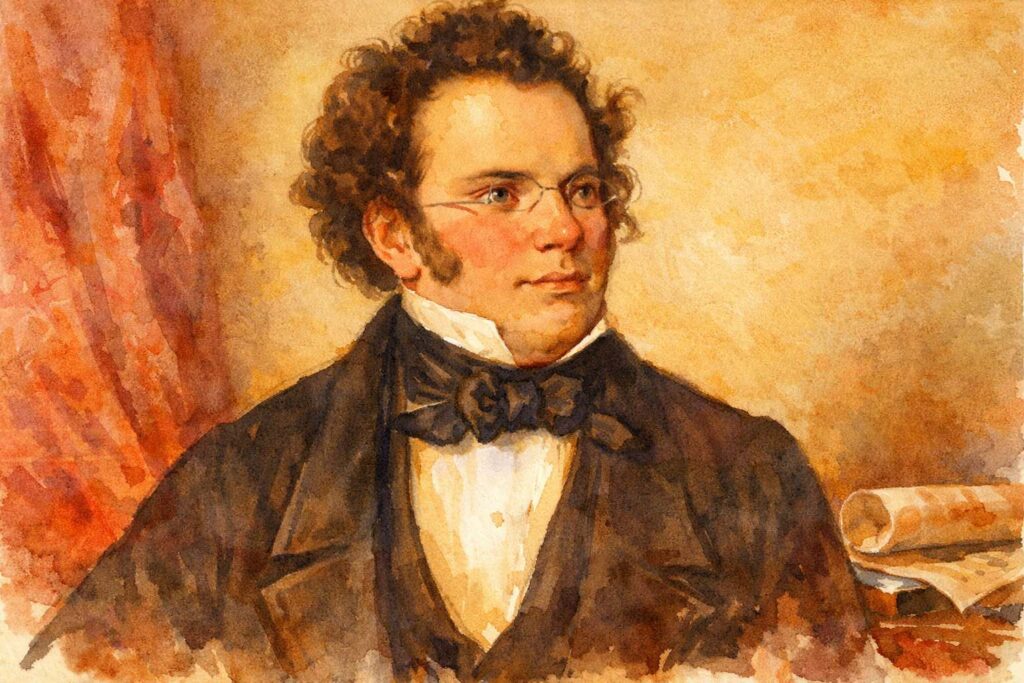
Benedetto Marcello (31 July or 1 August 1686 – 24 July 1739) was one of the most intriguing and multifaceted figures in the landscape of European music history. Born into Venetian nobility during the height of the Republic of Venice’s cultural flourish, Marcello occupied a unique space in late Baroque society: he was a prominent lawyer, magistrate, and politician who simultaneously rose to international acclaim as a composer, poet, and caustic literary satirist. Unlike many of his contemporaries who relied on royal patronage or ecclesiastical employment for their livelihood, Marcello proudly styled himself a nobile dilettante (noble amateur), a designation that, far from implying amateurish execution, allowed him complete creative independence from commercial market pressures. Over the course of his vibrant life, Marcello enriched the canon of Western classical music through an extraordinary corpus of sacred compositions, instrumental concertos, chamber works, and sharp theoretical writings that reshaped musical thought in 18th-century Europe.
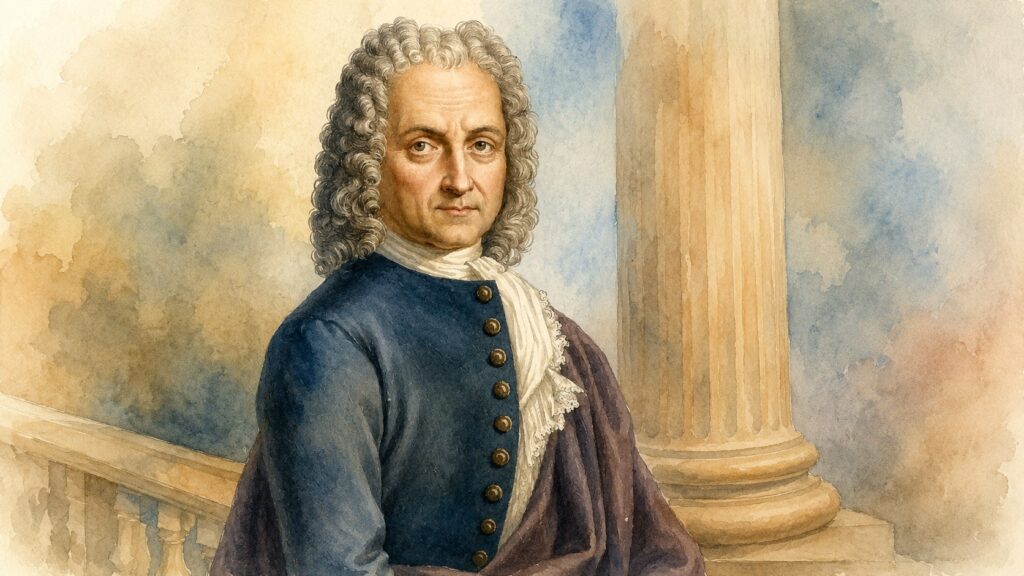
Biography: Venetian Nobility and Artistic Calling
Benedetto Marcello was born in Venice into the patrician Marcello family, one of the city’s ancient and influential aristocratic dynasties. His father, Agostino Marcello, was a senator of the Venetian Republic and an accomplished amateur violinist; his mother, Paolina Capello, was a cultured woman of artistic and literary sensibilities who deeply encouraged her children’s intellectual pursuits. Benedetto was the younger brother of Alessandro Marcello, who likewise became a distinguished composer and polymath.
Given his high social standing, Benedetto’s primary career path was dictated by civic duty rather than professional music-making. He studied law, passed his examinations, and was admitted to the Maggior Consiglio (Great Council) of Venice in 1707. Throughout his adult life, Marcello held several significant administrative and judicial offices within the Venetian state. He served as a member of the Council of Ten, held a governorship (provveditore) in the Istrian city of Pola (now Pula, Croatia) from 1730 to 1737, and was appointed Camerlengo (treasurer) at Brescia in 1738.
Despite his demanding administrative obligations, Marcello pursued music with uncompromising rigor. He received rigorous instruction in counterpoint and composition from Antonio Lotti, the famous maestro di cappella at St. Mark’s Basilica, as well as from Francesco Gasparini. His aristocratic status prohibited him from taking money for his musical performances or compositions, yet this restriction afforded him an enviable artistic liberty. He composed not to satisfy the immediate demands of a patron or theatrical impresario, but to realize his personal aesthetic vision.
In 1728, Marcello secretly married Rosana Scalfi, a young woman from a lower social class who had originally been his singing student. Because Venetian law strictly forbade patricians from marrying outside their social order without government dispensation, the marriage remained unacknowledged publicly during his lifetime. This secrecy later sparked complex inheritance disputes after his death.
Marcello’s years in Pola severely weakened his health due to the region’s malaria-prone climate. Transferring to Brescia in 1738 as financial treasurer, his physical condition deteriorated rapidly. He passed away on July 24, 1739, at the age of 52, leaving behind a legacy as one of the most versatile intellects among Italian Baroque music composers.
Benedetto Marcello Timeline (1686–1739)
├── 1686: Born in Venice to an aristocratic family
├── 1707: Enters the Venetian Great Council; begins serious music study
├── 1708: Publishes Concerti a cinque, Op. 1
├── 1720: Anonymous publication of "Il teatro alla moda"
├── 1724–1726: Masterpiece "Estro poetico-armonico" published in Venice
├── 1728: Secretly marries his student Rosana Scalfi
├── 1730–1737: Serves as Governor (Provveditore) of Pola
└── 1739: Dies in Brescia on July 24
Major Musical Works and Literary Achievements
Marcello’s output spans almost every vocal and instrumental genre of the Baroque era, ranging from sacred psalm settings and solemn oratorios to solo cantatas, chamber sonatas, and satirical prose.
Sacred Masterpiece: Estro poetico-armonico
Marcello’s crowning contribution to music history is his monumental collection titled Estro poetico-armonico (The Poetic-Harmonic Inspiration), published in eight volumes in Venice between 1724 and 1726. The work consists of musical settings for one to four voices with basso continuo (and occasional instrumental accompaniments) of the first 50 Psalms of David, translated into Italian verse by Girolamo Ascanio Giustiniani.
What makes Estro poetico-armonico extraordinary is Marcello’s synthesis of ancient counterpoint with expressive Baroque dramatic intensity. He incorporated ancient Hebrew, Greek, and Gregorian intonations directly into the musical texture, creating a deeply scholarly and spiritual monument. The work won him immediate acclaim across Europe; sacred scholars, monarchs, and fellow composers praised its emotional depth, structural nobility, and contrapuntal mastery.
Satirical Genius: Il teatro alla moda (1720)
Marcello was equally renowned for his sharp literary pen. In 1720, he anonymously published a scathing satirical pamphlet titled Il teatro alla moda (The Theatre a la Mode). The treatise was an merciless critique of the absurdities, commercialization, and artistic decline of Venetian opera seria.
Written as a mock-instruction manual, Marcello offered hilarious “advice” to everyone involved in operatic productions:
- To Composers: Write music in extreme haste, reuse old arias without regard for the plot, and ensure the orchestra plays so loudly that the singers are drowned out.
- To Singers (especially Castrati and Prima Donnas): Demand that your favorite pets be brought onstage during performances, ensure your aria features high virtuosity regardless of scene emotion, and wave to your friends in the theater boxes while another singer is performing.
- To Librettists: Write incomprehensible plots, insert random similes about nightingales and stormy seas, and never let grammar get in the way of rhyme.
The book contained implicit caricatures of prominent Venetian figures, including Antonio Vivaldi (thinly disguised on the cover as “Aldiviva”). Il teatro alla moda remains one of the most famous and informative documents of operatic satire in classical music literature, offering modern historians an invaluable look into 18th-century theatrical practice.
Instrumental Output
While Marcello devoted much of his mature life to vocal and sacred forms, his instrumental compositions hold a firm place in the repertoire. His instrumental catalog includes:
- 12 Concerti a cinque, Op. 1 (1708): Influenced by the Venetian concerto style, featuring rich string textures.
- 6 Cello Sonatas, Op. 2: Standard repertoire for cellists, praised for their elegant, singing cantabile lines and structural balance.
- 12 Flute Sonatas, Op. 2: Cherished chamber works highlighting lyricism and expressive ornamentation.
- Keyboard Sonatas: Harpsichord works that bridge the late Baroque contrapuntal style and early Galant expressiveness.
The Famous Oboe Concerto, Bach’s Transcription, and the Attribution Controversy
No discussion of the Marcello name is complete without examining the world-famous Oboe Concerto in D minor (also preserved in C minor) and its profound connection to Johann Sebastian Bach. However, this work carries one of the most famous attribution mysteries in music history.
The Attribution Debate: Benedetto or Alessandro?
For over two centuries, music publishers and concert programs attributed the masterpiece Oboe Concerto in D minor directly to Benedetto Marcello. When 19th- and early 20th-century scholars rediscovered the concerto alongside Bach’s solo keyboard arrangement (BWV 974), it was widely published under Benedetto’s name.
Modern 20th-century musicological research established that the concerto was actually composed around 1708–1716 by Benedetto’s older brother, Alessandro Marcello (1673–1747). Alessandro had published many of his works under the pseudonymous anagram Eterio Stinfalico. Because the oboe concerto was published in Amsterdam in 1717 under simply the surname “Marcello” (and because Benedetto was by far the more famous brother across Europe), the piece became universally linked to Benedetto.
Despite the corrected attribution, the concerto remains inextricably linked with the legacy of both Marcello brothers. The two brothers lived in the same intellectual circles in Venice, shared artistic ideals, and influenced one another’s aesthetic perspectives.
    Attribution History of the D Minor Oboe Concerto
    ┌─────────────────────────────────────────────────────────────┐
    │ 1717: Published in Amsterdam as "Concerto a Cinque"         │
    │       by Alessandro Marcello                                │
    ├─────────────────────────────────────────────────────────────┤
    │ ~1715: J.S. Bach transcribes it for Harpsichord (BWV 974)   │
    ├─────────────────────────────────────────────────────────────┤
    │ 19th-20th C.: Frequently published under BENEDETTO MARCELLO │
    │              (and occasionally misattributed to Vivaldi)   │
    ├─────────────────────────────────────────────────────────────┤
    │ Modern Musicology: Confirms Alessandro as primary author,   │
    │                    celebrating the brothers' shared legacy  │
    └─────────────────────────────────────────────────────────────┘
J. S. Bach’s Keyboard Transcription (BWV 974)
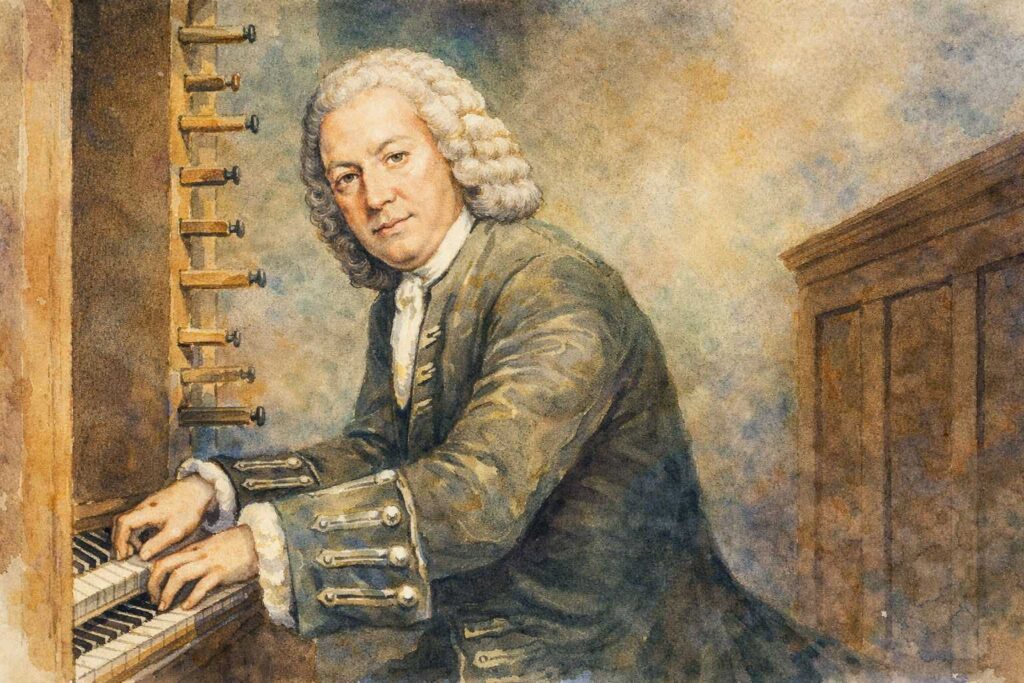
During his tenure as court organist and chamber musician in Weimar (1708–1717), Johann Sebastian Bach undertook a dedicated study of Italian concerto form. Prince Johann Ernst of Saxe-Weimar returned from the Netherlands in 1713 bringing back scores of new Venetian concertos. Fascinated by the structural clarity, rhythmic drive, and melodic expressiveness of Italian masters like Vivaldi, Albinoni, and the Marcello brothers, Bach arranged several of their orchestral concertos for solo harpsichord and organ.
Among these, Bach’s transcription of the Marcello Oboe Concerto—cataloged as BWV 974—stands out as a masterpiece of keyboard adaptation.
Analysis of the Second Movement: The Immortal Adagio
The centerpiece of BWV 974 is its breathtaking second movement, an Adagio in D minor (or C minor in early versions). It is widely regarded as one of the most sublime melodies in the entire classical music canon.
               [Bach's BWV 974 / Adagio Structure]

  Oboe / Right Hand Melody:   Singing, ornament-rich cantabile arc
                              ┌──────────────────────────────────┐
                              │ Transformed with Bach's trills,  │
                              │ mordents, turn-figures & suspense │
                              └──────────────────────────────────┘
  Continuo / Left Hand:       Repeated, pulsing bass chords
                              ┌──────────────────────────────────┐
                              │ Steady 3/4 metric pulse creating │
                              │ dramatic, architectural tension  │
                              └──────────────────────────────────┘
- Melodic Cantabile: The original oboe line is a long, soaring, bel canto aria over a steady, pulsing bass chord progression. The soloist sustains long notes that seem to float effortlessly over the accompaniment.
- Bach’s Ornamentation: Because a harpsichord cannot sustain notes endlessly like a blown oboe, Bach transformed the long-held notes into intricate ornamentation. He filled out the melodic line with written-out turns, trills, chromatic appoggiaturas, and scalar runs. Far from being mere decorative fluff, Bach’s added ornamentation intensifies the emotional gravity and melancholic beauty of the piece.
- Harmonic Depth: The movement moves through aching dissonances, suspensions, and subtle harmonic shifts that create a feeling of timeless nostalgia and spiritual poise.
Bach’s keyboard arrangement elevated the movement into a cornerstone of keyboard literature, ensuring its enduring fame across centuries.
Historical Importance and Legacy
Benedetto Marcello holds a commanding position in music history due to his unique role as a bridge between artistic eras and social spheres.
| Aesthetic Domain | Marcello’s Contribution | Historical Impact |
| Sacred Composition | Estro poetico-armonico | Set a new standard for combining contrapuntal mastery with poetic Italian texts; admired by Goethe, Rossini, and Verdi. |
| Music Criticism | Il teatro alla moda (1720) | Established musical satire as a serious medium for opera reform; heralded the classical shift toward dramatic naturalism. |
| Noble Amateurism | Independent nobile dilettante status | Proved that non-professional composers could achieve world-class artistic innovation without commercial compromise. |
| Educational Legacy | Theoretical writings and vocal pedagogy | Inspired subsequent generations of Italian vocal and instrumental teachers. |
Throughout the 18th and 19th centuries, Marcello was held in immense esteem. When Antonio Vivaldi’s music fell into temporary obscurity after his death, Marcello’s Estro poetico-armonico continued to be printed, studied, and performed across France, Germany, and England. Grand romantic figures like Gioachino Rossini and Luigi Cherubini drew inspiration from Marcello’s choral writing, admiring his ability to express deep spiritual devotion through melodic warmth.
In recognition of his lasting impact on Italian cultural heritage, the prestigious municipal music conservatory of Venice, the Conservatorio Benedetto Marcello di Venezia (housed in the historic Palazzo Pisani), was named in his honor.
Conclusion
Benedetto Marcello was far more than a typical Baroque composer; he was a true Renaissance man operating within the vibrant culture of 18th-century Venice. As a magistrate, he governed with civic dedication; as a writer, he exposed the eccentricities of the opera house with wit; and as a composer, he created sacred and chamber music of lasting nobility. Whether exploring his groundbreaking Estro poetico-armonico or enjoying Bach’s immortal harpsichord transcription of the Marcello Oboe Concerto Adagio, listeners continue to discover an artist of supreme intellect, emotional depth, and historical significance.
Sources
- Eleanor Selfridge-Field, Venetian Instrumental Music from Gabrieli to Vivaldi, 3rd rev. ed., Dover Publications, 1994.
- Michael Talbot, The Venetian Concerto, Cambridge University Press, 1978.
- Patrick J. Smith, The Tenth Muse: A Historical Study of the Opera Libretto, Alfred A. Knopf, 1970.
- Bach-Digital Catalog: Concerto in D minor, BWV 974 (Arrangement of Marcello Oboe Concerto), Deutsches Musikarchiv.
- Conservatorio di Musica Benedetto Marcello di Venezia, Historical Archives & Institutional History, Venice.
#BenedettoMarcello #BaroqueMusic #ClassicalMusic #MusicHistory #VenetianBaroque #MusicComposers #OboeConcerto #JSBach #BWV974 #EstroPoeticoArmonico #IlTeatroAllaModa #ItalianBaroque #Harpsichord #EarlyMusic #ClassicalComposers