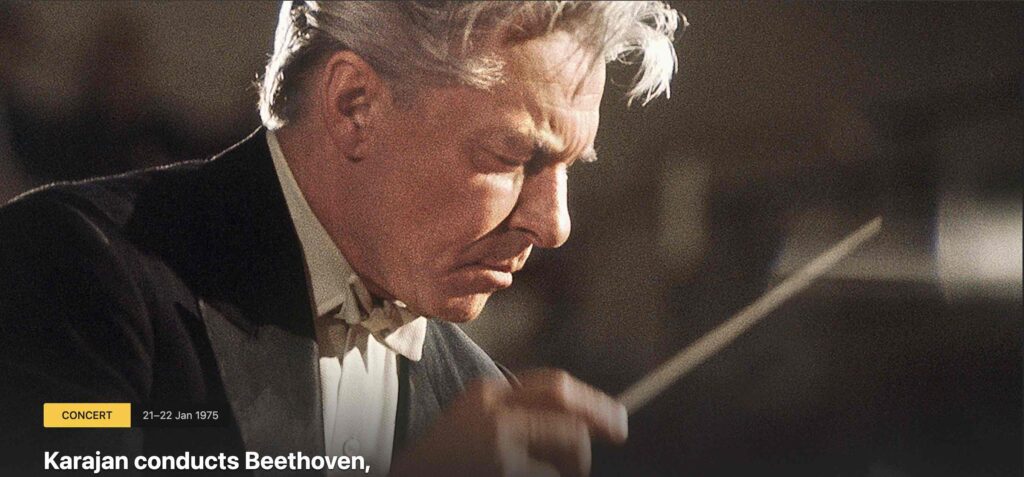
When the Berlin Philharmonie’s stage lights dimmed in January 1975, the world was about to witness a musical moment that would linger in the hearts of conductors and listeners alike: Herbert von Karajan, with the Berliner Philharmoniker, taking us into the turbulent life of Gaius Marcius Coriolanus. The Coriolan Overture, a lesser‑known gem from Ludwig van Beethoven’s 1807 repertoire, bursts into life with a force that feels both ancient and startlingly contemporary.
Why the Coriolan Overture Still Resonates
The overture was written for Heinrich Joseph von Collin’s 1804 tragedy Coriolan, not Shakespeare’s more famous version. Beethoven, ever the dramatist, chose to avoid summarising the whole plot in a single movement; instead he distilled the play’s moods into two primary themes. The thunderous C‑minor motif embodies Coriolan’s war‑lust, while the lyrical E‑flat major theme represents his mother’s pleas for mercy. As the story unfolds, Coriolan’s reluctant surrender, his subsequent suicide, these contrasting musical colours collide and fuse, delivering a narrative that feels immediate and visceral.
Beethoven’s score is meticulously balanced: two flutes, two oboes, two clarinets in B♭, two bassoons, two horns in E♭, two trumpets in C, timpani, and strings. The orchestration allows for a broad dynamic range, from the subdued tenderness of the mother’s lament to the roar of battle. Yet even in the most ferocious passages, there is an underlying pathos, a sorrow that lingers long after the final chord.
Karajan’s Dramatic Instinct
What sets Karajan’s 1975 recording apart is how he harnesses those dynamics. He turns the overture into a “strong and punchy orchestra” that, in my view, reflects what Beethoven might have envisioned had he lived into the era of recording technology. Karajan’s hand is steady but never complacent; the Berlin Philharmonic responds with a ferocity that feels almost theatrical.
The war sections explode with a brass fanfare that is as precise as it is powerful. The timpani crash and the strings surge, creating a sonic storm that feels as if the very gates of Rome are being battered. Yet when the music shifts to the E‑flat theme, there is a tender, almost almost lull that invites the listener into the vulnerability of the character. Karajan captures this contrast with an almost cinematic clarity, his tempo rubato becomes a subtle, human expression of the story’s emotional arc.
The recording’s provenance adds another layer of intrigue: it was captured before an invited audience, a snapshot of an orchestra in full, live form, not a studio gloss. The clarity of the Berlin Philharmonic’s sound in the Philharmonie’s acoustics gives us a near‑realistic sense of the orchestral conversation. In a world where many recordings feel flattened, this one feels alive.
Watch the full concert on Berilner Philharmonic Digital Concert Hall
The overture is a reminder that Beethoven’s music is never just about technical virtuosity. It’s about human experience, fear, longing, fury, compassion. Karajan’s interpretation makes this universal truth clear. Even if you’re not a seasoned classical aficionado, there’s a human drama in each crescendo that can resonate.
The Legacy of Coriolan Overture
While the Coriolan Overture may not be Beethoven’s most famous work, it remains a powerful demonstration of his ability to translate drama into music. Karajan’s recording is a benchmark for any conductor seeking to capture both the ferocity and the subtlety of Beethoven’s orchestration. It is also a testament to the Berliner Philharmonic’s mastery of dramatic music and their unyielding commitment to bringing composers’ intentions to life.
#Beethoven #CoriolanOverture #HerbertvonKarajan #BerlinPhilharmonic #OrchestralDrama #ClassicalMusic #MusicHistory #MusicAnalysis #HistoricRecording #BrassPower #StringPassion #ConcertReview #MusicTherapy #EpicMusic #WarAndLove