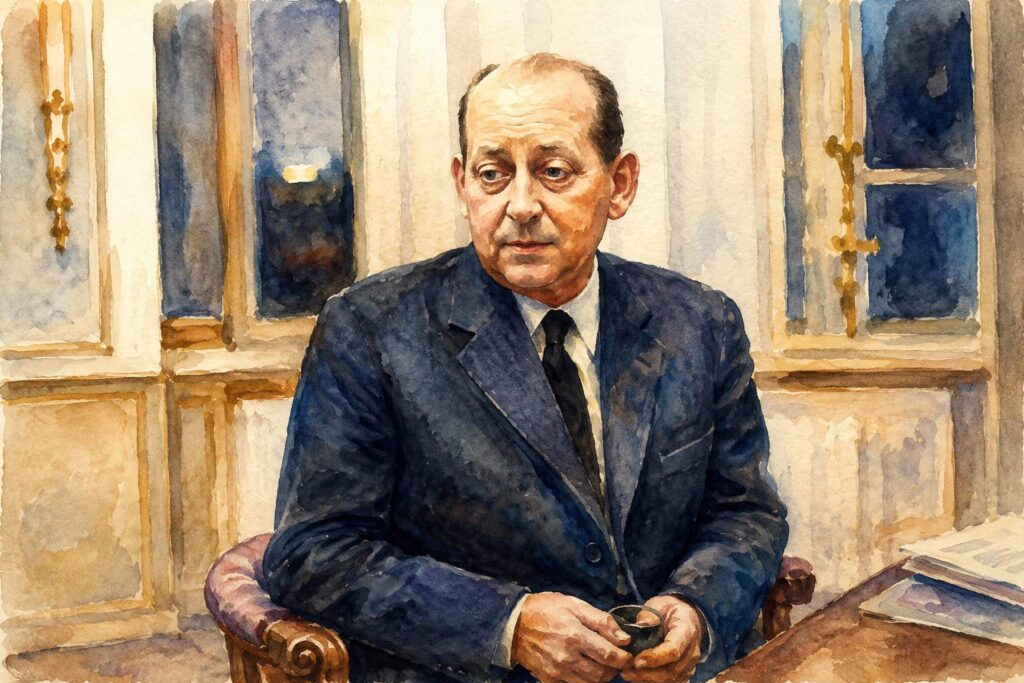
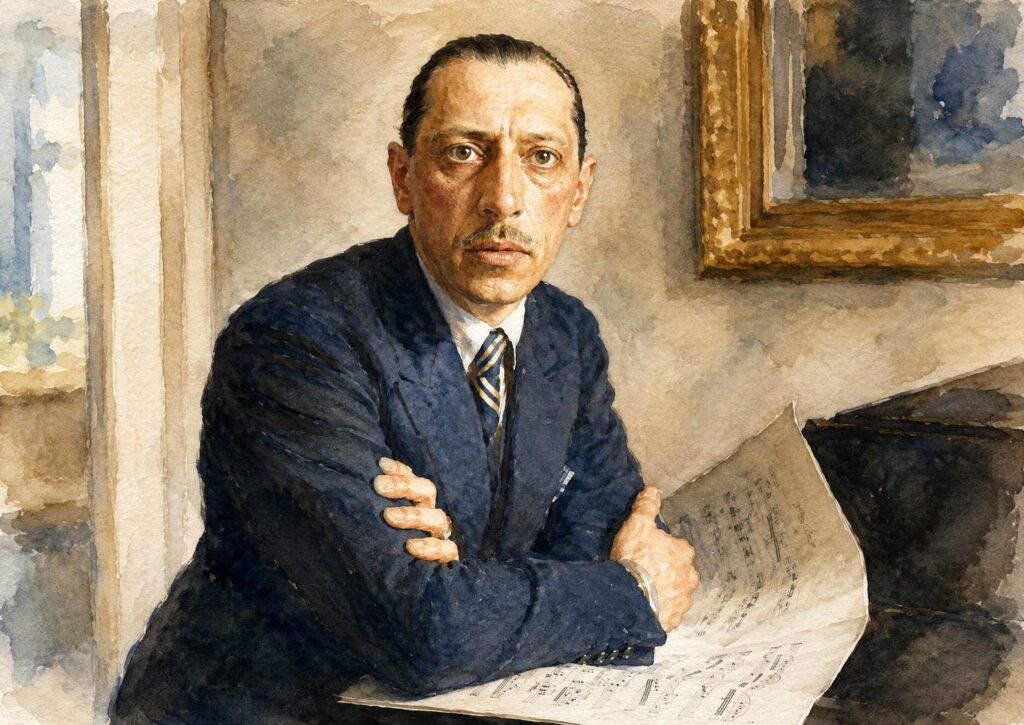
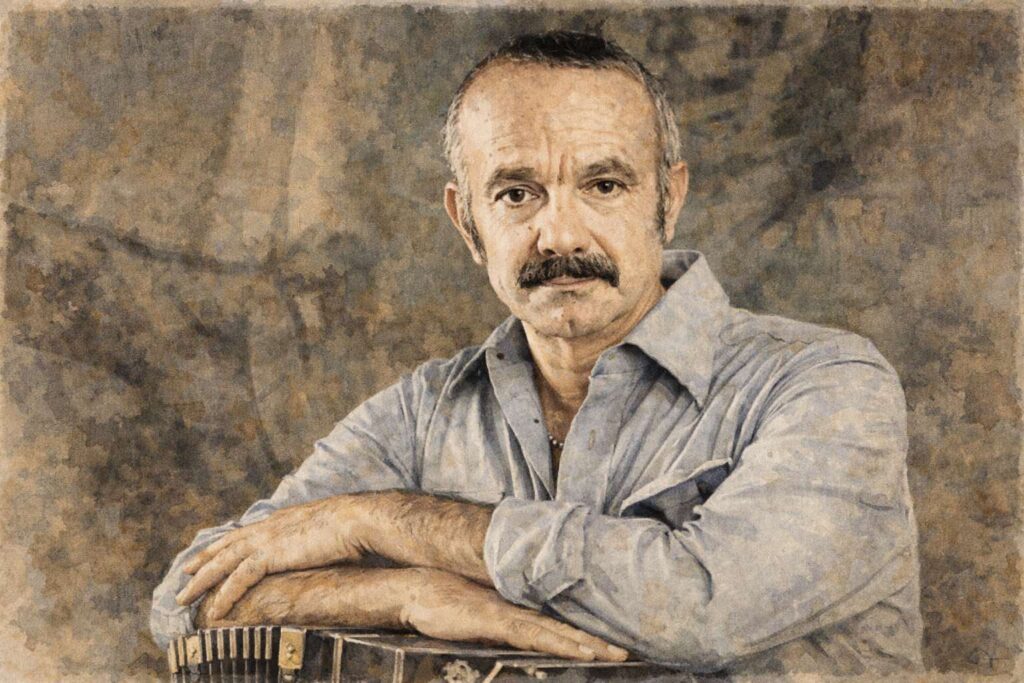
Astor Piazzolla (11 March, 1921 – 4 July, 1992) is widely regarded as the most influential figure in the history of Argentine tango. His daring fusion of classical harmony, jazz improvisation, and traditional tango created a new idiom, Nuevo Tango, that reverberated around the world. In this article we explore Piazzolla’s life, his artistic evolution, his most celebrated works, and the lasting impact he left on music.
Born in Mar del Plata, Argentina, Piazzolla started playing the bandoneón at the tender age of nine. By his twenties he was already touring with leading tango orchestras, but it wasn’t until the 1960s that he began to carve out his own musical voice. Over a career spanning more than four decades, he wrote dozens of pieces that pushed the boundaries of the genre, re‑invented the tango orchestra, and earned him international acclaim.
Early Life, Education, and First Musical Influences
Childhood in Mar del Plata
Piazzolla’s father, Juan, was a former bandoneón player in a local tango orchestra. By age six the family was living in a small apartment on the coast of Mar del Plata, and the sounds of tango seeped into the household. The young Astor first heard his father play “El Choclo” and “La Cumparsita” at the family kitchen table, and those melodies stayed with him.
Formal Training
- Bandoneón – Began lessons at nine, focusing on traditional tango repertoire.
- Conservatorio Nacional de Música, Buenos Aires – After winning a scholarship, he studied harmony, counterpoint, and composition under José Larralde and later with the pianist Juan José Carrasco.
During this time he was deeply impressed by Argentine folk music, early tango recordings, and the work of classical composers such as Debussy and Ravel.
Early Influences
- Tango – The traditional style of Aníbal Troilo and Osvaldo Pugliese shaped his rhythmic foundation.
- Jazz – Listening to recordings of Duke Ellington and Charlie Parker inspired his sense of improvisation and harmonic daring.
- Classical Music – He admired the structure of Bach and the orchestral color of Stravinsky.
These eclectic sources would later coalesce into a distinctive compositional voice.
Artistic Maturity
Formation of the “Nuevo Tango” Orchestra (1960)
After years of performing with leading orchestras, Piazzolla decided to leave the conventional tango framework. He formed the “Tango Nuevo” ensemble, featuring a standard tango orchestra augmented by a violin, cello, and a second bandoneón. The instrumentation mirrored that of a small classical orchestra, which allowed for more complex textures.
Stylistic Innovations
- Harmonic Complexity – Piazzolla introduced extended chords, modal interchange, and chromaticism, borrowing from jazz and modern classical music.
- Rhythmic Subversion – He experimented with syncopation, odd meters, and shifting accents.
- Structural Freedom – Pieces were often free‑form, departing from the strict verse‑chorus pattern of traditional tango.
Key Periods
- 1960‑1965 – The “Tango Nuevo” orchestra released a string of recordings that already began to earn critical attention.
- 1966‑1970 – The 1970 Mundial tour and the Oblivion concert in Paris established him on the international stage.
- 1971‑1982 – A prolific period of composition that produced many of his most famous works.
- 1983‑1992 – Final years spent refining his style and mentoring younger musicians, even as he battled illness.
Importance in Music History
Redefining Tango
Piazzolla’s work re‑defined the cultural and artistic boundaries of tango, turning it from a dance genre into a concert medium. His music demanded attentive listening, challenging audiences accustomed to danceable tunes.
Bridging Worlds
By blending Argentine folk tradition, classical sophistication, and jazz improvisation, Piazzolla created a universal language. His music has been performed by symphonies, jazz ensembles, and chamber groups alike.
Global Influence
- Jazz – Pianists such as Herbie Hancock and Chick Corea incorporated Piazzolla’s harmonic language into their work.
- Classical – Composers like Philip Glass and John Adams have cited him as an influence.
- Contemporary Tango – Modern tango musicians, from Juan María Solare to María Becerra, owe a debt to his stylistic innovations.
Greatest Works
| Piece | Year | Significance |
|---|---|---|
| Libertango | 1974 | Perhaps his most famous piece; a driving, rhythmic fugue that blends tango with jazz. |
| Adiós Nonino | 1970 | A heartfelt tribute to his father; an emotional elegy that showcases his lyrical depth. |
| Oblivion | 1971 | A haunting, modal lament that became the title track of his 1974 album. |
| La Muerte | 1977 | A dramatic, programmatic work based on Jorge Luis Borges’ poem. |
| Metastasio | 1979 | A tribute to the Italian poet, highlighting his literary interests. |
| A Donde Viene el Sol | 1972 | A vibrant, jazz‑inflected waltz that became a tango standard. |
| The Seven Tango Concerto | 1986 | A large‑scale symphonic work that pushes the boundaries of the tango form. |
Recordings to Explore
- Tango Suite (1969) – Early “Nuevo Tango” recordings.
- La Cumparsita (1972) – A contemporary interpretation of the tango classic.
- Oblivion (1971) – The soundtrack of the 1974 film Oblivion by Eduardo Mignogna.
Composition Style
| Element | Description |
|---|---|
| Harmony | Use of chromatic chords, whole‑tone scales, and unexpected key shifts. |
| Rhythm | Syncopation, hemiolas, and irregular meters that give his music a restless pulse. |
| Form | Combination of traditional forms (sonata, theme‑and‑variations) with free‑form improvisational sections. |
| Orchestration | Rich tonal palette: bandoneón, strings, woodwinds, and occasional electronic effects. |
| Improvisation | While primarily written, his music invites improvisation, particularly in jazz contexts. |
Influence on Others
Tango Musicians
- Álvaro Villavicencio – Modern tango composer who cites Piazzolla as a mentor.
- César Miguel – Bandoneón player who pioneered the “Tango Experimental” movement.
Jazz Artists
- David Sanborn – Saxophonist who performed “Libertango” in his big‑band recordings.
- Pat Metheny – Guitarist who incorporated Piazzolla’s harmonic language into his jazz fusion works.
Classical Composers
- Philip Glass – Minimalist composer who referenced Piazzolla’s rhythmic drive.
- John Adams – American composer who included Piazzolla’s motifs in his orchestral pieces.
Film and Television
- “El Páramo” (1974) – The film’s score uses Piazzolla’s Oblivion as a thematic backbone.
- “The Motorcycle Diaries” (2004) – Features Libertango to underscore the Argentine landscape.
Why Astor Piazzola Is Important
Astor Piazzolla’s significance can be distilled into three interlocking contributions:
- Cultural Bridge – He took a national genre and made it universally accessible, breaking down cultural barriers.
- Musical Innovation – By injecting modern harmonic and rhythmic concepts into tango, he created a new, sustainable genre.
- Legacy of Influence – His works continue to inspire musicians across genres, proving that cross‑disciplinary collaboration can produce timeless art.
Final Thoughts
Astor Piazzolla remains an enduring figure because his music speaks both to the heart and the intellect. He was a visionary who dared to break the rules of his own tradition, and in doing so he opened the door for future generations to explore and expand. Whether you are a tango enthusiast, a jazz aficionado, or a classical devotee, Piazzolla’s work invites you to listen with fresh ears and to feel the pulse of innovation.
Sources:
#AstorPiazzolla #Tango #NuevoTango #Bandoneon #ArgentineMusic #MusicHistory #JazzFusion #ClassicalInnovation #CulturalBridge