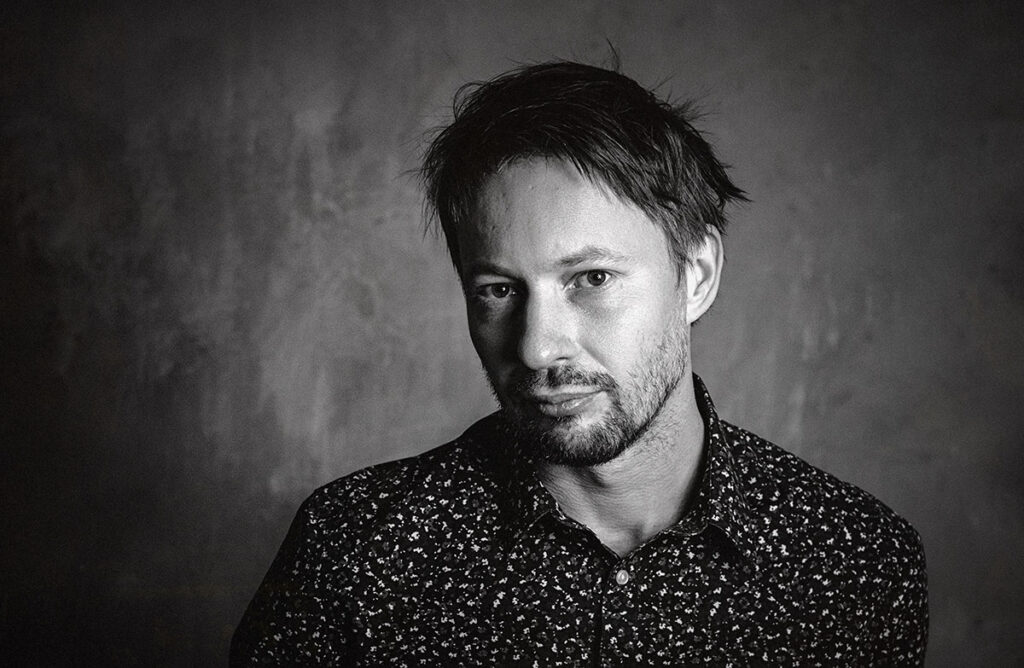
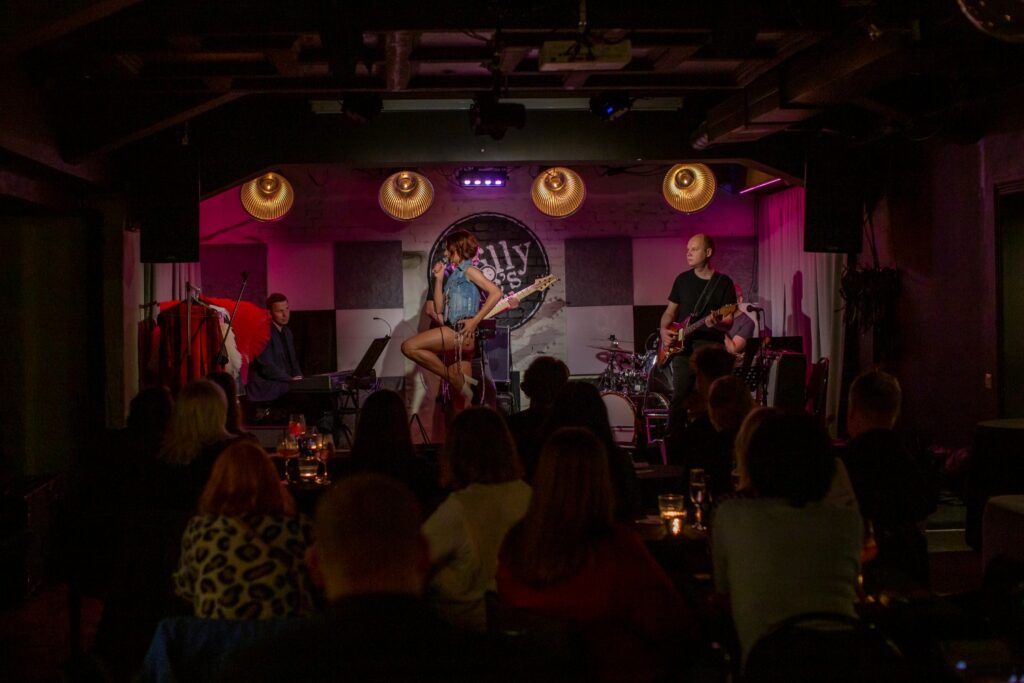
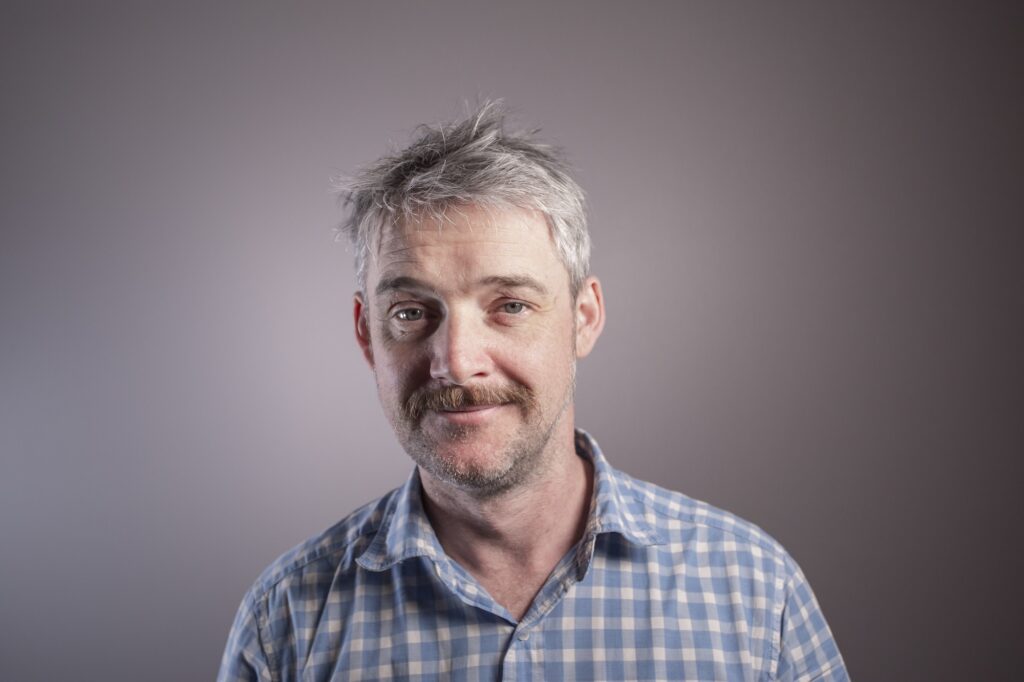
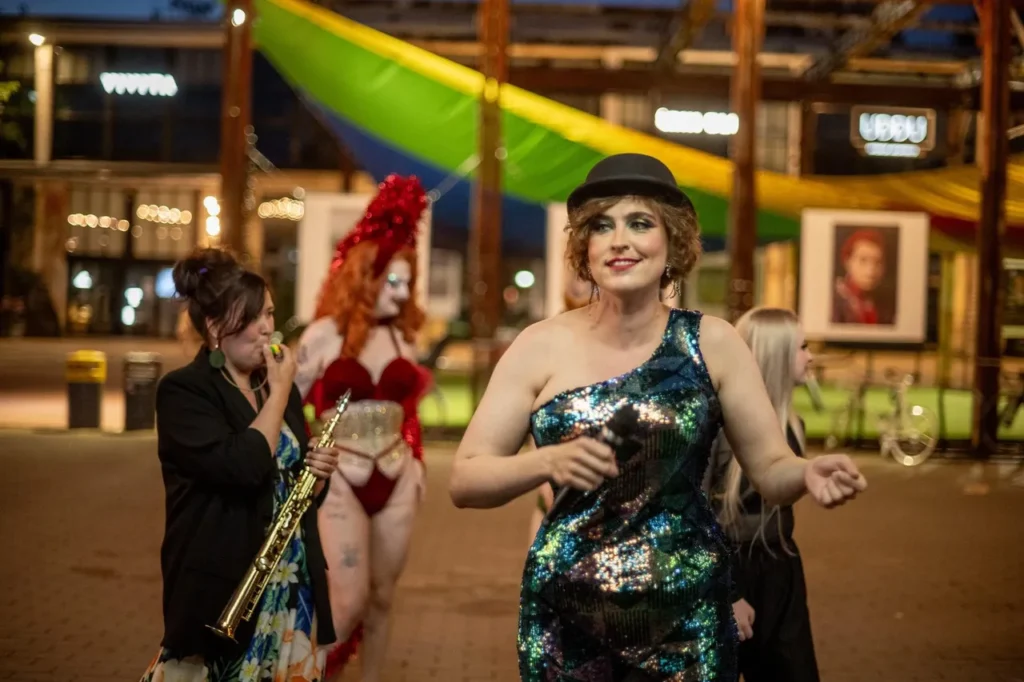
Kaisa Ling is a prominent Estonian blues vocalist, broadcaster, literary scholar, and translator. As the frontwoman of Kaisa Ling Thing, a vaudeville-blues group founded in 2017, she stands at the center of Tallinn’s cabaret, clowning, and independent performance art movements.
Alongside her broadcasting work for Estonian Public Broadcasting (ERR), Ling acts as the Artists’ Ambassador for the Tallinn Fringe Festival. I sat down with her to explore the mechanics of uncurated arts festivals, the mindset needed to thrive without safety nets, and how self-directed artists can turn chaos into opportunity.
Arashk Azizi: How would you define the Fringe phenomenon from your perspective?
Kaisa: To me, Fringe serves as an intensive bootcamp for independent performers. It operates like a trial by fire, forcing you to take absolute ownership of every dimension of your creative career. Returning from my debut at the Edinburgh Fringe, I felt transformed simply because of the brutal workload, the nonstop promotion, daily gigs, and sheer hustle required. Beyond the grind, it is the world’s ultimate trade show for performance art, offering an unmatched space to network, scout talent, and spark new creative partnerships.
Arashk: What falls under your scope as Artists’ Ambassador, and when should performers reach out?
Kaisa: My role is twofold. On the external side, I talk with venues, press, and audiences to help them understand how the Fringe model works, aiming to secure better conditions for artists on the ground.
Internally, I mentor performers on what the festival can do for them, encouraging them to step up as self-reliant creators. Fringe can be whatever you need: a springboard to launch your career, a testing ground for new material, or even a reality check that reveals this path isn’t for you. Artists can reach out to me at any stage, even if they haven’t fully figured out what support they require yet.
Arashk: What is the most common mistake you see emerging Fringe acts make?
Kaisa: The biggest trap is expecting instant fame from a single run while underestimating the logistical reality of an uncurated festival. With no central programmer curating or setting up your show, you have to act as your own producer, publicist, tour manager, and accountant. You are responsible for everything—booking space, setting up gear, running marketing, tracking finances, and managing ticket sales, all while trying not to burn out physically or mentally.
This shift to total autonomy can be especially jarring in Estonia due to our cultural heritage. The local arts landscape historically grew out of a rigid Soviet institutional model where state bodies controlled artistic trajectories, leaving creators with very little agency. Adapting to an open-market Fringe requires a complete mental reset, forcing artists to embrace the reality of being self-managed entrepreneurs.
Arashk: Taking on all those roles can feel daunting. What practical blueprint do you recommend to keep the pressure manageable?
Kaisa: Keep your initial scope tight. Instead of booking a long run, start with a focused three-night weekend, Thursday through Saturday, in an intimate 30-seater room. Executing a small run cleanly from start to finish builds incredible momentum and gives you a clear operational template. Once you’ve proven you can manage every lever of a production, you can scale up in future years by taking on longer dates, bigger spaces, or expanding your team.
Arashk: Is there a specific artist who successfully used this model to break out?
Kaisa: Look at character comedian and clown Charlie Mulliner at last year’s Tallinn Fringe. Her run at the Heldeke! theatre club was an absolute triumph. She leveraged that momentum to win awards at the Adelaide Fringe and launch major international tours. The Fringe ecosystem has historically launched legendary acts into global orbit, ranging from theatre icons like Miriam Margolyes in her early Edinburgh days to modern stand-ups and Hollywood talent.
Arashk: What final takeaway would you offer to both performers and festival-goers this year?
Kaisa: Keep stress in check by recognizing that most pressure is self-imposed; reframe the experience and have fun with it. For audience members, don’t overthink the massive schedule; take a chance, wander into a tiny venue, and let yourself be surprised. Above all, rely on word of mouth. Pay attention to what people are buzzing about in local bars and cafes. In an era dominated by screens, Fringe reminds us of the value of human connection: talk to strangers, trade recommendations, and stay curious.
This interview was originally published on the Tallinn Fringe Festival website.