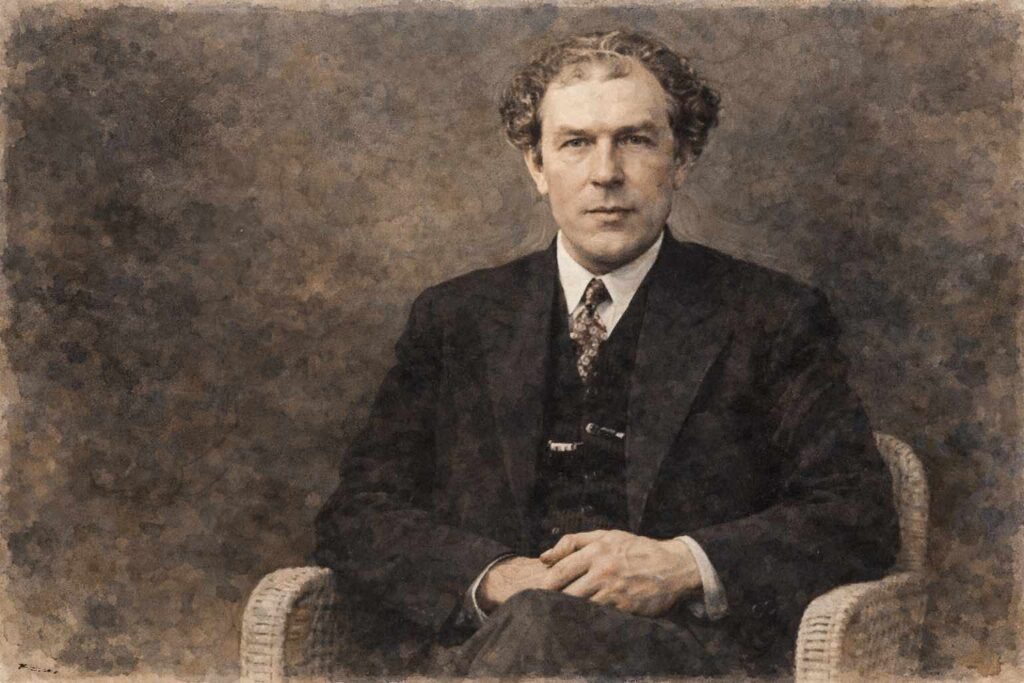
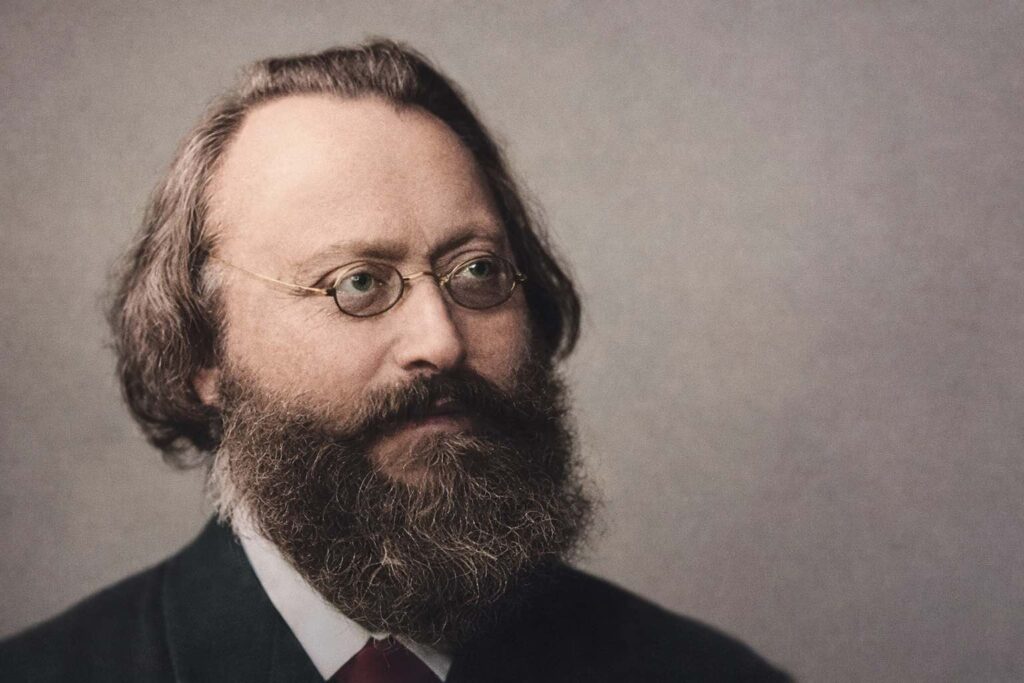
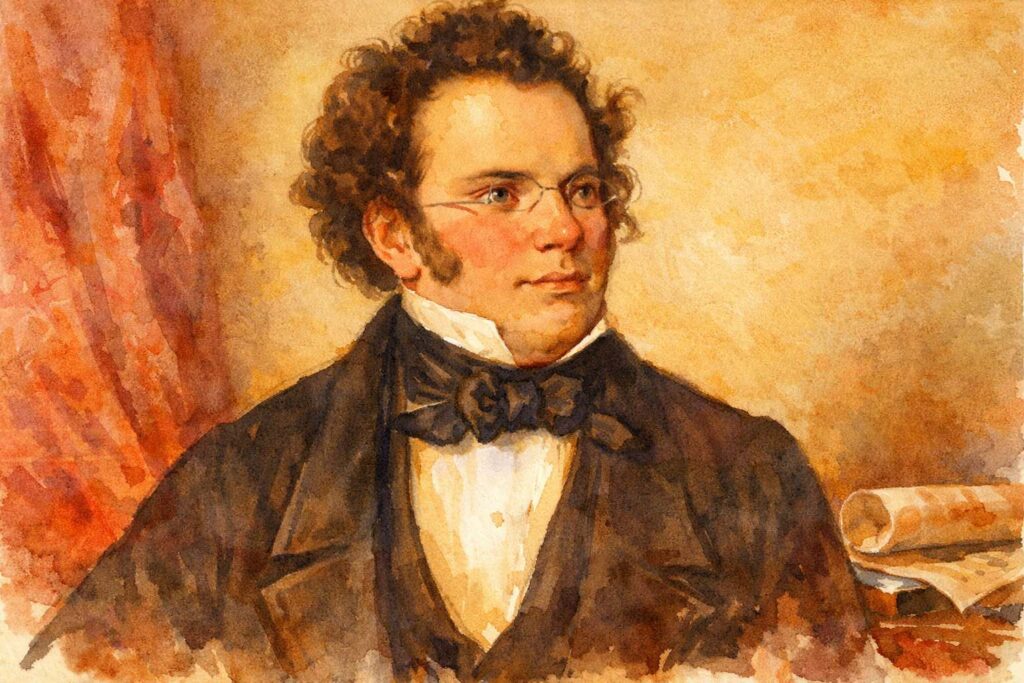
Johann Haydn (31 March 1732 – 31 May 1809) is a towering figure in the Classical era, whose inventive symphonies, string quartets, and operas laid the foundation for Romanticism and modern orchestral practice. Often called the “Father of the Symphony” and the “Singer of the People,” Haydn’s works bridged the Baroque tradition and the emerging Classical idiom, and his mastery of form, humor, and orchestration influenced Mozart, Beethoven, and countless generations of composers.
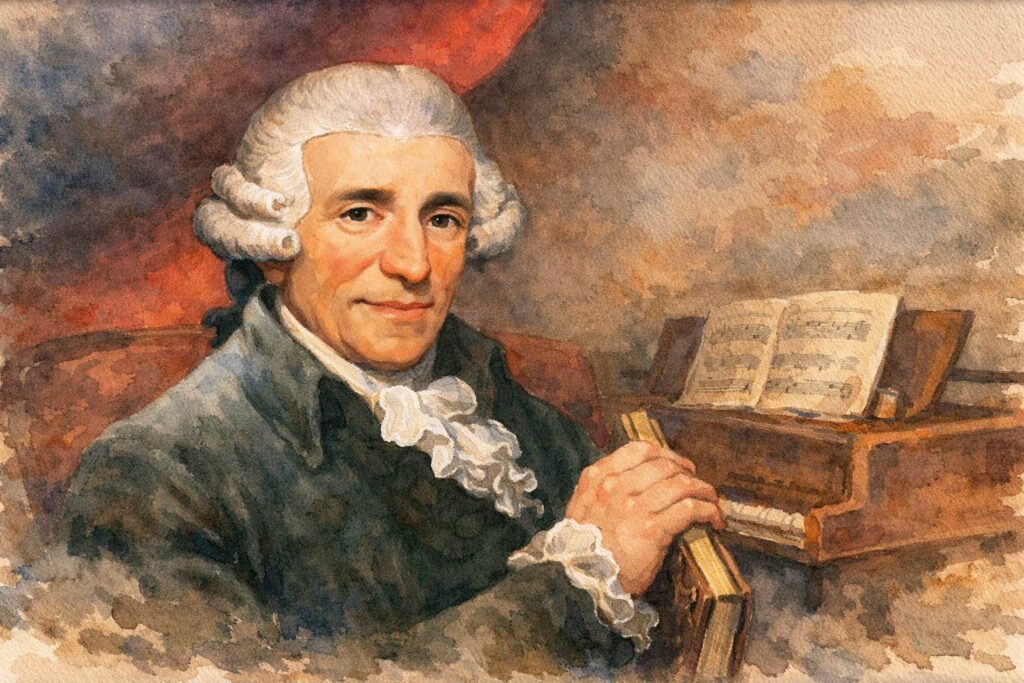
Early Life, Education, and First Musical Influences
Birth and Family
- Born on 31 March 1732 in Rohrau, a small town on the Austrian border with Hungary.
- Haydn was the youngest of five children; his father, Johann Georg, was a miller and amateur musician who introduced the boy to music.
Apprenticeship under a Parish Priest
- At age 12, Haydn entered the service of the parish priest of St. Johannes‑Stift in Gmunden.
- He received his first formal instruction in violin and organ, performing at parish services and local festivals.
The Esterházy Patronage
- In 1753, a local magistrate’s recommendation led Haydn to the court of Prince Nikolaus Esterházy in Eisenstadt.
- The prince employed a small court orchestra; Haydn was appointed as a “Singer,” later promoted to “Composer” and “Conductor.”
Influences
- Baroque masters: Heinrich Biber, Johann Pachelbel, and Johann C. Schütz provided a foundation in counterpoint and tonal design.
- Early Classical peers: The burgeoning Vienna scene and the works of Georg Bachmann (a contemporary of Mozart) exposed Haydn to lighter, more melodic idioms.
- Local folk music: The simple, rhythmic patterns of Austrian folk tunes would later surface as “humorous” motifs in his symphonies.
Artistic Maturity
1761‑1777: “Sturm und Drang” to Early Symphonies
- Haydn composed his first symphonies (e.g., Symphony No. 1 “Hochzeit”) while still a court composer.
- He experimented with sudden dynamic contrasts, minor key “drama,” and unpredictable rhythmic accents.
1778‑1790: The “London Symphonies” and the “String Quartets”
- 1790‑1792: Three trips to London, where his London Symphonies (Nos. 93‑104) were met with acclaim.
- The “Opus 76” and “Opus 77” string quartets showcased advanced techniques: cadenza‑like passages, double stops, and counter‑point at the quartet level.
1792‑1801: Late Symphonies and Vocal Works
- His “Farewell” Symphony No. 45 (1795) demonstrated structural economy—instrumental “farewell” motif.
- Operas such as Le Conte d’Anthéron and L’Incoronazione di Poppea reflect a more dramatic, operatic sensibility.
1801‑1809: Final Years and Legacy Building
- Haydn produced The Creation (1803) and the monumental Mass in B‑major (1806).
- He retired from court life in 1793, but his works continued to circulate throughout Europe, influencing the next generation.
Greatest Works
| Genre | Representative Works | Key Features |
|---|---|---|
| Symphonies | Symphony No. 94 “Surprise”, No. 101 “The Clock”, No. 104 “London” | Mastery of dynamics, humor, and orchestration. |
| String Quartets | Op. 76 (Swan Lake), Op. 77 (The Little Fugue) | Complex counterpoint, thematic development, and virtuosic writing. |
| Piano | Piano Concerto in D major, Op. 92 | Integration of soloist and orchestra; melodic charm. |
| Vocal | The Creation, The Seasons | Operatic narrative, programmatic depiction of nature. |
| Chamber | Serenade in B‑major, Op. 88 | Light, graceful, and finely balanced instrumentation. |
The Story behind the “Farewell” Symphony
Haydn’s Symphony No. 45 in F major, nicknamed the “Farewell” (1795), is perhaps his most socially aware work. In the third movement, the strings begin to leave the stage one by one, as if they were packing their bags and heading home. By the final movement only the wind instruments remain, playing a simple yet poignant theme that underscores the emptiness of the hall. The audience interpreted this as a symbolic appeal to Prince Esterházy: the court musicians were weary of their constant service and longed for a respite from the rigors of court life. The prank was successful, after the performance the musicians were granted a week‑long vacation, and the “Farewell” became an enduring testament to the power of music as a form of quiet protest.
Composition Style and Influence on Others
Stylistic Hallmarks
- Form: Haydn adhered to the Classical sonata‑rondo‑sonata framework while frequently subverting expectations (e.g., sudden dynamic “surprises”).
- Humor: He used sudden dynamic changes, abrupt pauses, and unexpected rhythms to create comedic moments.
- Thematic Development: Themes were subject to extensive development, modulation, and fragmentation.
- Orchestration: Haydn balanced instrumental timbres; his use of brass and winds introduced new colors.
- Counterpoint: Despite the Classical aesthetic, he employed intricate counterpoint, especially in his late string quartets.
Influence on Contemporaries and Successors
- Wolfgang Amadeus Mozart: Haydn’s London Symphonies inspired Mozart’s own symphonies (e.g., Symphony No. 38 “Prague”).
- Ludwig van Beethoven: Beethoven studied Haydn’s String Quartets extensively; his “First” quartets echo Haydn’s formal clarity.
- Early Romantic composers: Schubert and Brahms drew on Haydn’s melodic and harmonic language.
Beethoven and Haydn, A Complex Mentor‑Student Relationship
The Early Years
- In 1794‑1795, the young Ludwig van Beethoven sought instruction from Haydn while still a teenager.
- Haydn accepted Beethoven as a private pupil, offering lessons in counterpoint, harmony, and orchestration.
The Anecdote of Missed Lessons
- Historical records indicate that Beethoven did attend only a handful of lessons.
- While some later writers (e.g., Schlesinger, 1890) suggested that Beethoven “faked his attendance” or “lied” about it, there is no contemporary documentation confirming such deception.
- Haydn’s own correspondence expresses disappointment at Beethoven’s irregular attendance and the lack of progress, but it does not accuse the young composer of dishonesty.
The Aftermath
- Despite the rocky start, Haydn remained a formative influence on Beethoven’s compositional voice.
- Their relationship evolved into a mutual respect: Haydn’s mastery of form and wit left an indelible imprint on Beethoven’s early symphonies and string quartets.
While Beethoven’s attendance at Haydn’s lessons may have been irregular, the notion that he lied about it is more legend than documented fact. Nonetheless, the episode highlights the tensions that can arise between a demanding mentor and a prodigious, independent student.
Influence on the Symphony Form
Expansion of the Orchestra
- Haydn introduced oboe d’amore, English horn, and expanded brass sections.
Structural Innovations
- He developed the four‑movement structure (fast–slow–minuet–fast) that became the standard for symphonies.
- The minuet and trio replaced the older menuetto; the “minuet” allowed for dance-like grace.
Thematic Surprise and “The Clock”
- Symphony No. 94 introduced the “surprise” motif—unexpected loud chord.
- Symphony No. 101 featured a “clock” rhythm that ticked in the fourth movement—an early example of programmatic content.
Use of Counter‑point in a Classical Context
- Haydn’s ability to weave contrapuntal lines in a symphonic texture opened pathways for later composers to blend polyphony with homophony.
Why Is Haydn Important?
- Architect of Classical Symphonic Language: He codified the symphonic structure that Beethoven and Brahms would later expand.
- Innovator of Orchestration: His colorful scoring provided a template for later orchestral colors.
- Mentor to a Generation: Mozart, Beethoven, and many others studied his scores; his influence is evident across the canon.
- Bridge Between Baroque and Romantic: His work incorporates Baroque counterpoint and Romantic expressiveness, marking a transition in music history.
Final Thoughts
Johann Paul Franz Haydn’s genius lay not only in his prolific output but also in his relentless curiosity and willingness to experiment. From the “Sturm und Drang” dramas of his early symphonies to the refined elegance of his London works, Haydn carved out a path that future composers would follow and expand upon. His blend of formal discipline, thematic ingenuity, and playful humor made him a beloved composer of his time and a foundational pillar for Western art music. To this day, his music remains a vital part of concert repertoires, educational curricula, and the collective cultural imagination.
Sources:
#JosephHaydn #ClassicalMusic #Symphony #MusicHistory #Mozart #Beethoven #StringQuartet #Orchestration #MusicEducation