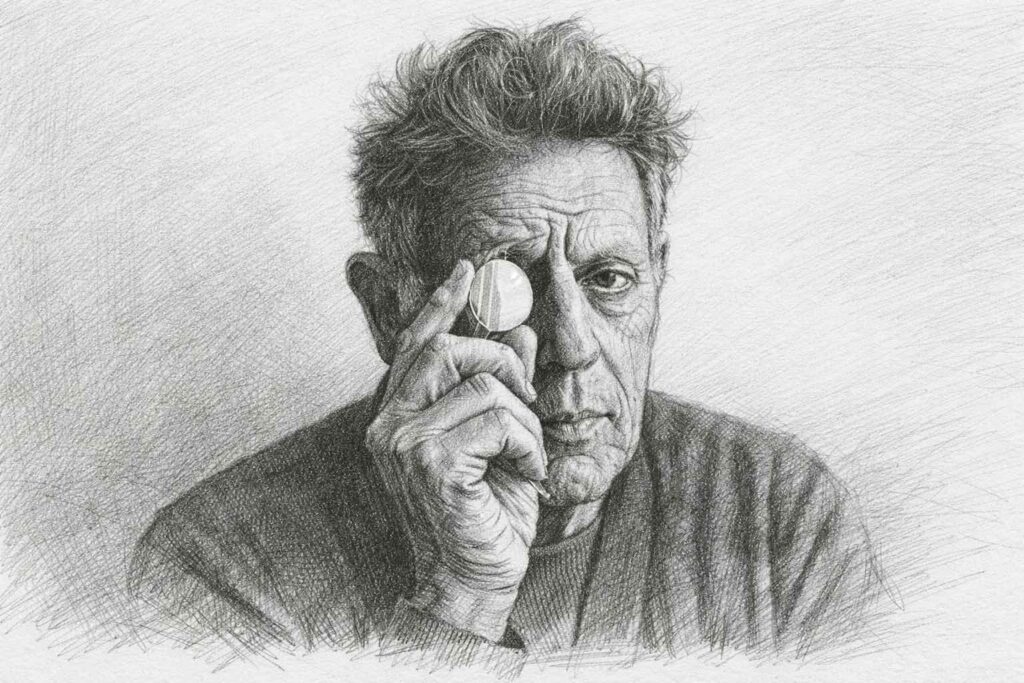
On 28 August, the Goethe‑Institut awarded its prestigious national honor, the Goethe Medal, to Estonian composer Arvo Pärt, Italian translator Anita Raja and Greek theatre director Prodromos Tsinikoris. The ceremony, held in Weimar, was presided over by President Gesche Joost and carried out in a formal setting that underscored the award’s recognition of “distinguished creative work and a contribution to open cultural dialogue.”
Pärt accepted the medal on behalf of himself through his son, Michael Pärt, chairman of the Arvo Pärt Centre’s board. “His tintinnabuli technique has touched and connected people worldwide,” Joost remarked, adding that Pärt’s music “remains an outstanding expression of the European spirit.” Michael expressed deep gratitude for the honour, noting the family’s early integration into the German‑speaking world and the freedom that allowed his father’s compositions to flourish.
The event highlighted the broader role of contemporary artists in bridging cultural divides. By acknowledging the artistic achievements of figures from diverse backgrounds, the Goethe‑Institut reaffirms its mission to promote intercultural dialogue across Europe.
A Brief Introduction to Arvo Pärt
Arvo Pärt, born 11 September 1935 in Paide, Estonia, is a towering figure in contemporary classical music. After early studies at the Tallinn Conservatory, he experimented with serialism before a profound personal crisis led him to a spiritual retreat in the late 1960s. From this period emerged his signature tintinnabuli style; minimalist, bell‑like harmonies that blend spiritual depth with modernist clarity.
His works such as Für Alina, Fratres, and Spiegel im Spiegel have earned worldwide acclaim, earning him awards ranging from the Léonie Sonning Music Prize to multiple Grammy nominations. Pärt’s music, rooted in Orthodox Christian themes, has transcended cultural boundaries, finding homes in film soundtracks, liturgical settings, and concert halls alike. As one of the most performed living composers, he continues to shape the global musical landscape.
Pärt’s journey from Soviet‑occupied Estonia to international stages illustrates the resilience of artistic vision, and he remains a central voice among the Estonian composers who have reshaped 20th‑ and 21st‑century music.
#ArvoPärt #GoetheMedal #ContemporaryClassical #Tintinnabuli #EstonianComposers #MusicAwards #CulturalDialogue #BerlinMusic #SpiritualMusic #Minimalism #OrthodoxChoral #FilmMusic #WorldMusic #Concerts #MusicMagazine