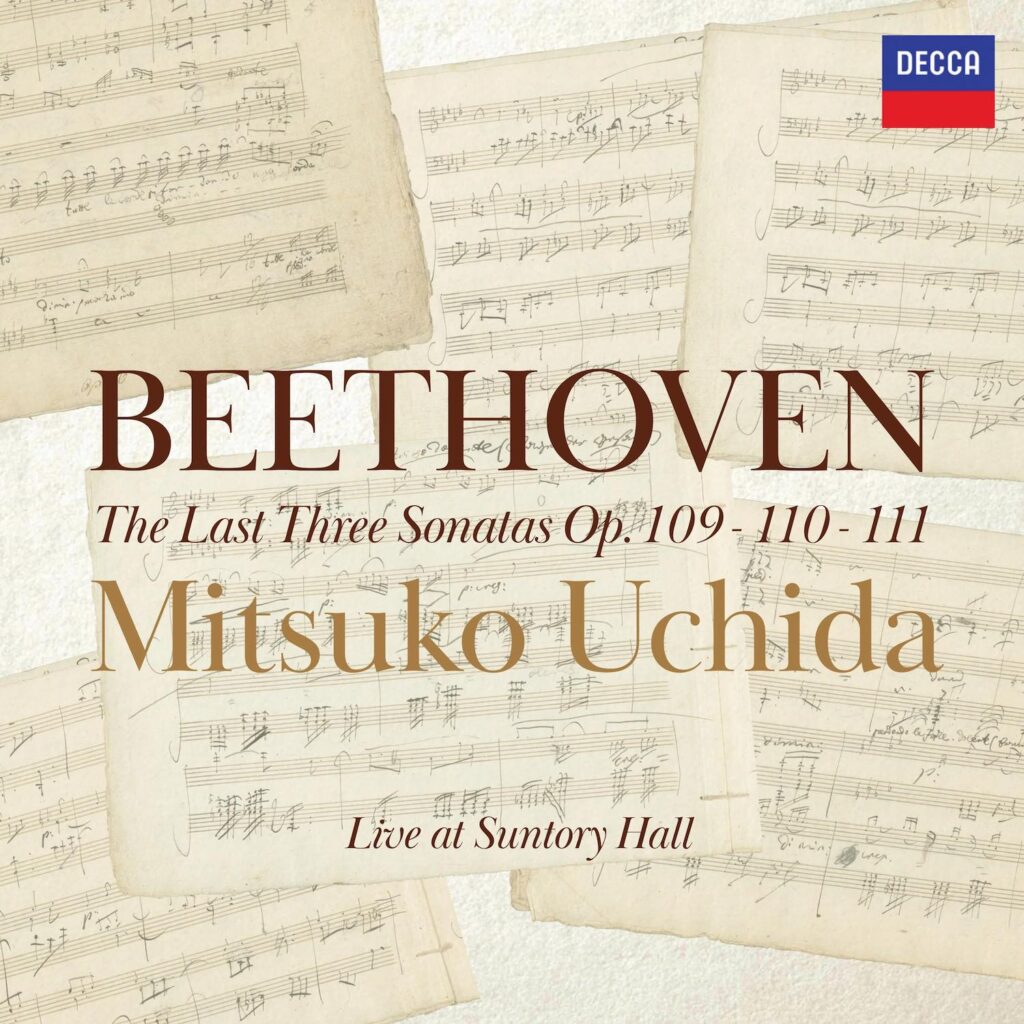
In a career spanning more than five decades, few musicians have achieved the same level of reverence for Ludwig van Beethoven’s late piano sonatas as Mitsuko Uchida. Her new release; Beethoven: Piano Sonatas, Opp. 109‑110‑111, captures a live performance at Tokyo’s Suntory Hall in October 2025, marking her second and final recording of these monumental works. The album follows her acclaimed 2006 studio version and the Gramophone Award‑winning Diabelli Variations, which earned her a Grammy nomination in 2023.
A Record in the Making
The three sonatas, composed between 1820 and 1822, stand as the culmination of Beethoven’s piano oeuvre. They depart from traditional sonata form, offering an introspective journey that shifts from struggle to serene revelation. Uchida’s latest recording brings that trajectory to life with a heightened sense of ebb and flow. Her phrasing slows at the close of phrases, as if savoring the music’s emotional terrain before plunging into the next climactic surge.
“The 2025 recording is more expansive,” says musicologist Dr. Elena Petrov. “Uchida brings out the “improvisatory” nature of the opening movements, as if she were inventing each twist in real time.”
Track Highlights
| Track | Movement | Description |
|---|---|---|
| 1 | I. Vivace, ma non troppo – Adagio espressivo – Tempo I | A buoyant opening that sets a contemplative tone. |
| 2 | II. Prestissimo | A blistering scherzo that showcases Uchida’s technical command. |
| 3 | III. Gesangvoll, mit innigster Empfindung (Andante molto cantabile ed espressivo) | A lyrical, singing section that draws the listener in. |
| 4 | I. Moderato cantabile molto espressivo | The middle movement’s graceful dialogue. |
| 5 | II. Allegro molto | A rapid, bright finale that caps the sonata. |
| 6 | III. a) Adagio ma non troppo | A mysterious, almost ominous character in Sonata No. 31. |
| 7 | III. b) Fuga (Allegro ma non troppo) | A Bach‑inspired fugue that underlines the sonata’s intellectual depth. |
| 8 | I. Maestoso – Allegro con brio ed appassionato | The dramatic opening of Sonata No. 32. |
| 9 | II. Arietta (Adagio molto semplice cantabile) | A poignant, resonant finale that balances light-footed variations with deeper harmonic resonance. |
Performance Insights
While the studio recording of 2006 captured Uchida’s precision and clarity, the live recording displays a richer palette of dynamics. She “slows down at the ends of phrases as if taking a lingering appreciation of the view before turning the next corner,” the source notes. This deliberate pacing gives the music a breath‑taking quality absent from the earlier studio version.
Her handling of Sonata No. 30’s scherzo demonstrates a fresh, improvisatory quality, while Sonata No. 31’s “Adagio ma non troppo” becomes a study in subtle menace. In the final movement of Sonata No. 32, Uchida’s use of “dramatic, stark‑sounding dissonances” elevates the tension, culminating in a resonant “Arietta” that balances syncopation with serene lyricism.
Reception and Legacy
The release is already generating buzz among classical aficionados and critics alike. Critics praise Uchida’s “fluid grace” and the way she navigates the complex harmonic landscape with “a Bach‑like hint in its harmonies.” The album is expected to become a benchmark for future recordings of L.V. Beethoven’s late sonatas.
With this live recording, Mitsuko Uchida affirms her place as a peerless interpreter of Beethoven’s late works, offering listeners a final, loving account of the composer’s astonishing masterpieces.
#MitsukoUchida #Beethoven #PianoSonatas #Opp109 #Opp110 #Opp111 #SuntoryHall #LiveRecording #ClassicalMusic #BeethovenLateWorks #MusicCritique #GramophoneAward #GrammyNominee #ClevelandOrchestra #JapaneseConcert #ClassicalNewReleases