Few solo‑piano works command as much attention and devotion as Sergei Rachmaninoff’s Prelude in C‑Sharp Minor, Op. 3, No. 2. Though it is officially a prelude, the piece’s dramatic arc and lyrical depth far exceed the conventions of its genre. The piece has become a staple of the repertoire, a rite of passage for pianists, and, for many listeners, a sonic embodiment of human longing.
A Brief Historical Context
Rachmaninoff’s first three preludes were composed when he was only 20 years old, in 1891, during a period of intense self‑study and experimentation. The C‑Sharp minor prelude, in particular, emerged from a creative burst that also produced the Piano Concerto No. 1, a work that would establish his reputation across Europe.
The piece’s premiere was met with enthusiastic acclaim, but the composer’s relationship with it proved ambivalent. Reports from the early 1900s note that Rachmaninoff began to resent the “over‑emotional” demands the public placed on him and, during his emigration to the United States, he reportedly referred to the prelude with a kind of weary affection, “Mr. C‑Sharp Minor,” he’d jokingly say. The very thing that earned him the moniker also forced him to keep performing it, a paradox that underlies the music’s enduring tension between self‑expression and external expectation.
Musical Architecture
The prelude unfolds in a tightly‑woven ternary form:
- Lyrical opening – a haunting, almost hymn‑like theme that establishes the piece’s mournful character.
- Central storm – a whirlwind of broken chords, rapid arpeggios, and dramatic dynamic shifts that echo a tempest or an inner emotional crisis.
- Reprise – a bittersweet return to the opening material, softened by subtle harmonic shifts and an ultimately ambiguous resolution.
Rachmaninoff’s harmonic palette, rich chromaticism coupled with lush, resonant chords, creates an atmosphere that feels simultaneously claustrophobic and expansive. The left hand’s broad, rolling arpeggios underwrite the right hand’s fragile melodic line, a technique that demands both technical mastery and deep musical empathy.
The Legacy of Interpretation
Over the past century, countless pianists have approached the C‑Sharp minor prelude from different angles. The interpretations range from the introspective to the exuberantly dramatic, each reflecting the performer’s personal connection to Rachmaninoff’s emotional language.
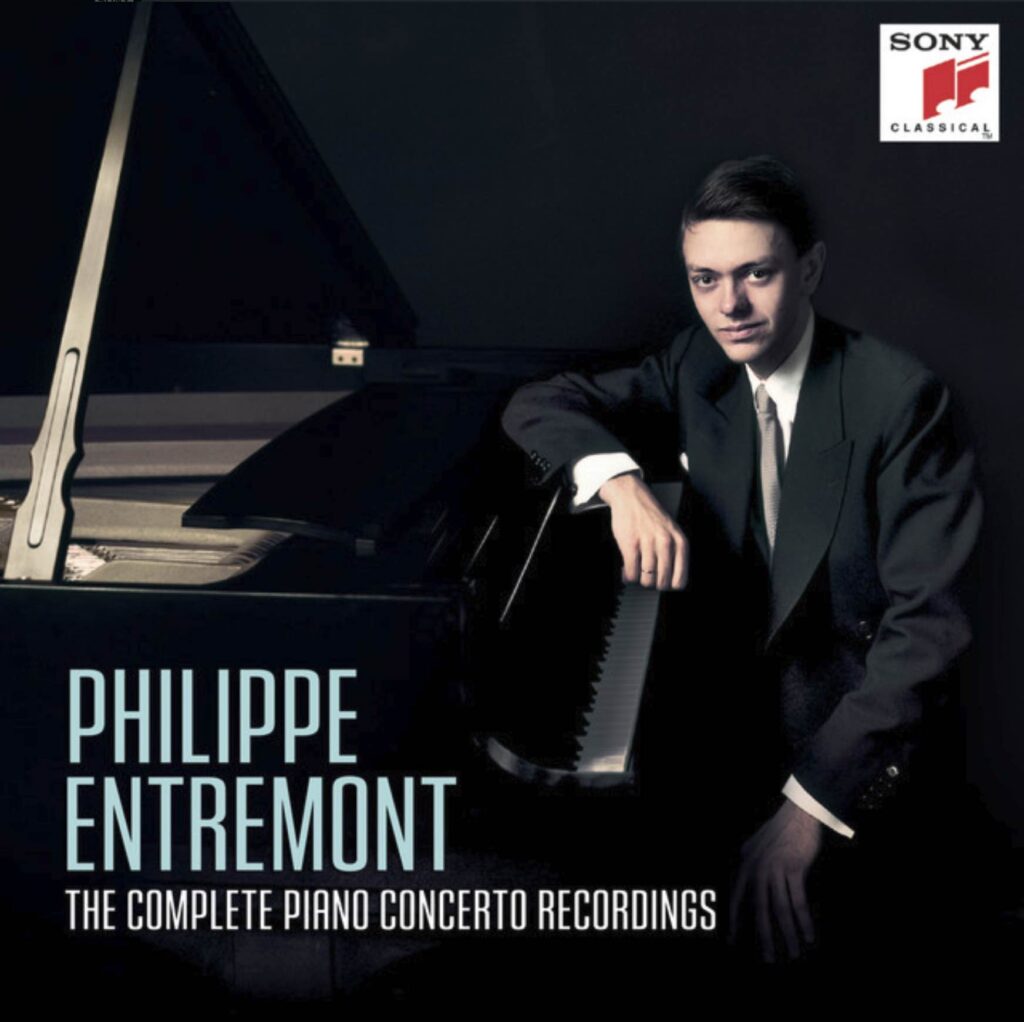
Personally, I have spent countless hours grappling with this piece. My own recordings are still unofficial, but they are a testament to my fascination with its complexities. Of all the recordings that have come out of my listening habit, the one that resonates most strongly with me is Philippe Entremont’s 1967 recording for Decca.
Entremont, a French pianist‑conductor born in Reims in 1934, has had a career that spans over six decades, from his debut in Barcelona (1951) to his “Piano Extravaganza of the Century” performance at the 2008 Beijing Olympics. His approach to the C‑Sharp minor prelude is unhurried yet intensely expressive, letting each phrase breathe while maintaining the piece’s driving momentum. His nuanced touch on the piano’s lower registers gives the piece a weighty, almost cathedral‑like presence, an attribute I find particularly compelling.
Conclusion
Rachmaninoff’s Prelude in C‑Sharp Minor, Op. 3 remains a cornerstone of the piano repertoire, a piece that challenges performers and captivates listeners with its raw emotional power. Whether you are a seasoned pianist, a budding interpreter, or a music enthusiast, the prelude invites you to dive into a musical narrative that transcends time and genre.
For me, the piece is both a personal pilgrimage and a professional benchmark, an ever‑present reminder of the delicate dance between composer, performer, and audience. And for those who love to hear the piano speak, Rachmaninoff’s prelude offers a voice that is at once hauntingly beautiful and profoundly human.
#Rachmaninoff #Piano #PreludeCSharpMinor #SoloPiano #ClassicalMusic #PhilippeEntremont #MusicReview #MusicHistory #RomanticEra #PerformanceAnalysis #MusicLovers #OnlineMusicMagazine #CulturalHeritage #MusicInsights #InstrumentalMastery
Photo: ℗ 2025 Sony Music Entertainment