Satie: Gnossiennes
A Journey into the Labyrinth: Understanding the Seven Gnossiennes
The Gnossiennes represent a pivotal moment in Western music history, where Erik Satie broke away from the dense, traditional structures of the 19th century to create something “translucent and gleaming.” For the composer and pianist Matteo Ramon Arevalos, this journey began at age thirteen with a gift of the Van Poppell edition scores, a moment that sparked a lifelong fascination with Satie’s enigmatic soundworld.
This recording covers all seven pieces, navigating the “ambiguity” inherent in their title. Whether derived from the Gnostic school of thought, representing an interior, intuitive knowledge superior to faith, or the Palace of Knossos on the island of Crete, Arevalos approaches the music as a synthesis of both. To him, the music is an “ecstatic image of a time that was,” echoing the mystery of the Minoan civilization and its sudden disappearance.
The Interpretation: Pulse and Poetry
Matteo Ramon Arevalos’s performance is defined by a specific technical philosophy designed to respect Satie’s revolutionary lack of bar lines. He employs a regular rhythmic pulse in the left hand. This hand acts strictly as a heartbeat, a steady, hypnotic accompaniment that never ventures into melodic territory. This allows the right hand the freedom of measured rubato. Arevalos avoids the pitfall of excessive rallentandos that can destabilize the continuity, instead focusing on a melodic poetry that feels both ancient and modern.
Analysis of the Works
Gnossiennes 1, 2, and 3: These initial works established Satie’s “free time” signature. Arevalos captures the “waxy, vague, and hanging” nature of the first three. The first Gnossienne is particularly notable for its “waltz with a stumble” rhythm, a four-beat feel that suggests a dance but remains hauntingly still.
Gnossienne 4: Often described as a “mysterious nocturne,” the fourth piece features more intricate ornamentation and movement in both hands. Arevalos treats these flourishes with a “shiny” or luisant quality, keeping the texture bare and clear.
Gnossienne 5: Written earlier than the others (1889), this piece is a “lighter spot” in the collection. Arevalos brings out its simpler harmonies and almost happy, flowing form, providing a brief respite from the surrounding mystery.
Gnossiennes 6 and 7: These final pieces complete the cycle, with the sixth often noted for its slightly awkward, fleeting beauty. Arevalos approaches the seventh with the same Gnostic intuition that Satie likely intended, closing the labyrinth with a sense of spiritual salvation through sound.
A Pioneer’s Legacy
Erik Satie was a pioneer not just of minimalism but of the “prepared piano” (as seen in Le Piège de Méduse). In “Satie: Gnossiennes”, Matteo Ramon Arevalos honors that spirit of innovation. By maintaining a strict pulse against a floating melody, he creates a “torpid landscape”, a state of ennui that is simultaneously relaxing and eerie.
Released by Tunitemusic, this album is more than a standard classical recital; it is a dedicated exploration of Satie’s intent to go “beyond.” It serves as a reminder that these works, despite their simplicity, remain some of the most influential and experimental pieces ever written for the piano. For Arevalos, this is a return to a childhood love, rendered with the expertise of a master who understands that in Satie’s world, the silence between the notes is just as important as the notes themselves.

Elegy Sonata
Piano Sonata No. 4 in E minor, Op. 11 “Elegy” by Arashk Azizi is a deeply emotional work that explores the many facets of death—fear, mourning, despair, and anger. The four-movement sonata blends traditional and contemporary elements, including Azizi’s innovative Piano Poem form. Through symbolic themes and intimate personal touches, Elegy Sonata offers a profound meditation on grief and the fragility of life.


TELEION
In their groundbreaking album “Teleion: Fragments of Ancient Greek Music,” the dynamic duo Lopez & Arevalos embark on a mesmerizing journey to unearth the sounds of ancient Greece. Inspired by surviving fragments of melodies and texts, they breathe new life into age-old compositions, bridging the gap between past and present with their innovative interpretations.

La Folia
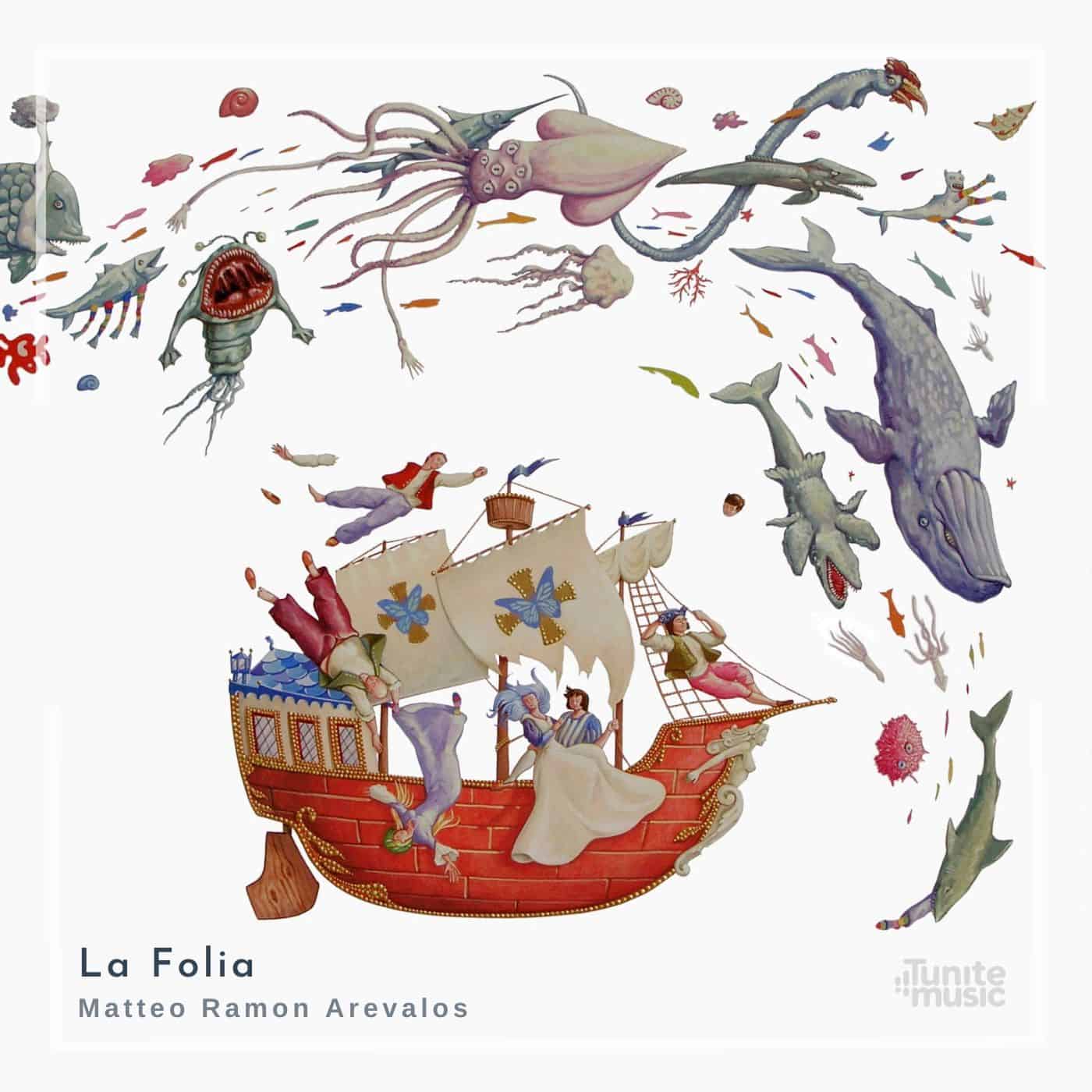
This breathtaking solo piano work is a true testament to his virtuosity as both a pianist and composer. Released under the prestigious Tunitemusic record label, the album takes you on an emotional journey through the captivating theme and variation form, exploring the depths of the seven sins.
“La Folia” is nothing short of a contemporary classical music masterpiece, showcasing Matteo’s extraordinary talent as a composer and pianist. If you appreciate virtuosic solo piano works and crave an emotional journey through the seven deadly sins, this album is an absolute must-listen.