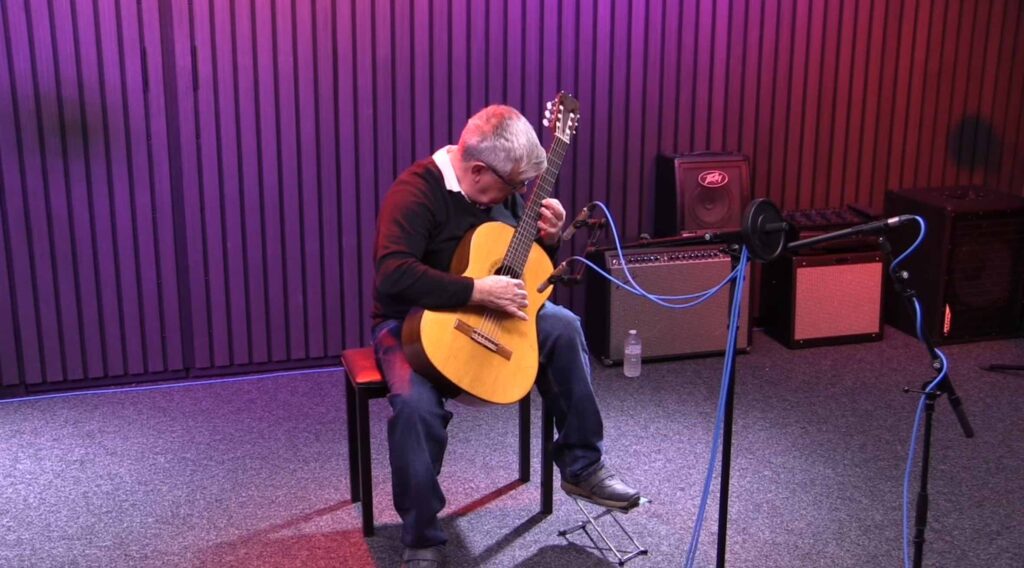
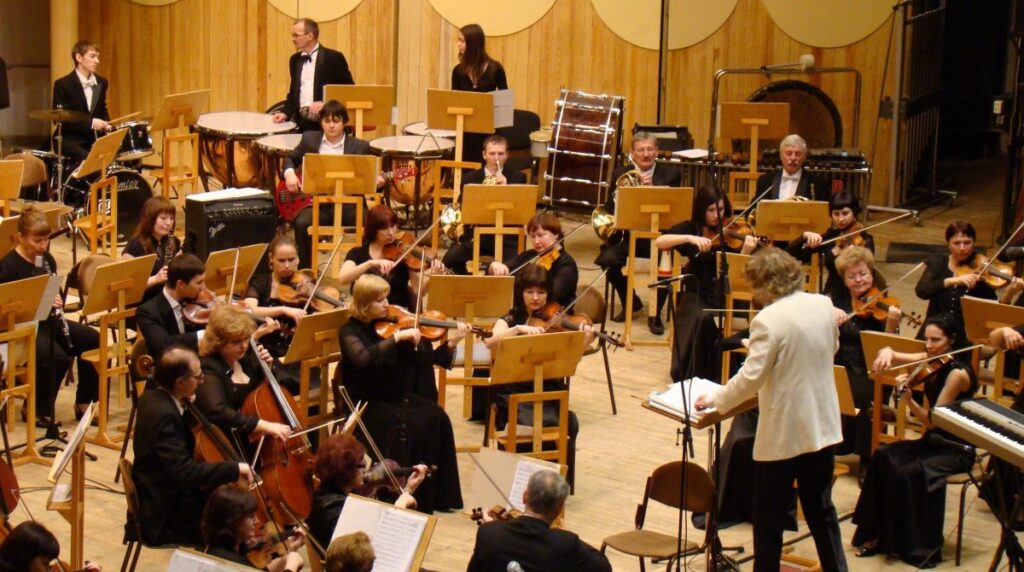
In a study that could reshape our understanding of early musical perception, scientists revealed that babies as young as two days old can “hear” rhythm, long before they even open their eyes. The key to this discovery? A collection of J.S. Bach piano works played to dozing newborns in an Italian laboratory.
Source: Classicfm
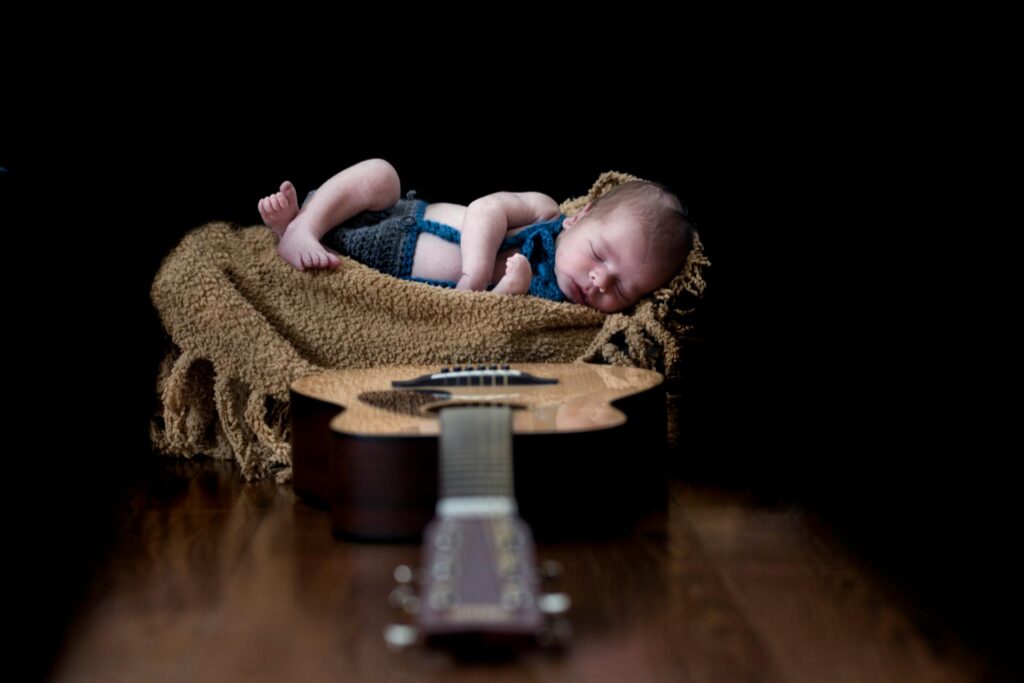
The experiment
Researchers from the Italian Institute of Technology exposed 49 newborns to familiar Bach sonatas while they slept, recording their brain activity with electroencephalography (EEG). Afterward, the same pieces were scrambled, stripping away the musical structure. When a rhythmic anomaly—such as a missing beat—occurred in the intact Bach recordings, the babies’ brains lit up. The scrambled versions, lacking predictable rhythm, produced no such response. Interestingly, the brains did not react to broken melodic lines, suggesting that rhythm is encoded at birth while melody develops later through experience.
“This shows that rhythm is present at birth, likely as a biological predisposition,” said lead author Roberta Bianco. “The auditory system acts as the brain’s early warning system, continuously extracting regularities from the environment.”
Bach’s influence, his impeccable rhythmic architecture and clear phrasing, served as the perfect stimulus. The researchers chose sonatas because their structure offers repeated patterns that the infant brain can latch onto, revealing an innate sensitivity to musical time.
Rhythm as a survival tool
The team proposes that early rhythm perception is not just a cultural curiosity; it may be a foundational survival instinct. In the womb and early infancy, the ability to detect patterns in sound could help infants anticipate environmental changes, even while asleep. A brain primed to recognize rhythmic regularity is also better equipped to engage in motor movements, speech, and later, complex musical appreciation.
A musical thread through life
The Bach study joins a growing tapestry of research linking classical music to brain development. For instance, the so‑called “Mozart Effect” (though largely debunked as an IQ‑boosting myth) sparked public interest in the role of classical pieces—particularly Mozart’s sonatas—in cognitive growth. Meanwhile, lullabies such as Brahms’ “Cradle Song” have been used for millennia to soothe infants, and modern science shows they can stabilize vital signs in preterm babies.
Recent work at the University of Washington’s Institute for Learning and Brain Sciences found that rhythmic music sessions improve babies’ pattern‑detection skills in both music and speech. By tapping out beats in time with waltzes or “The Blue Danube,” infants showed heightened neural responses to disruptions in rhythmic patterns—a sign that music training may sharpen language processing.
Moreover, prenatal exposure to calming classical music—whether Bach’s “Air on the G String” or other soothing works—has been linked to more regular fetal heart rhythms, suggesting that music may influence the developing autonomic nervous system even before birth.
What this means for parents
If you’re wondering whether to introduce music to your little one, the Bach study suggests it’s never too early to start. While babies won’t sing or play an instrument at two days old, their brains are already tuned to rhythm. Simple, melodic lullabies or gentle classical pieces can help establish a pattern of listening that supports later language and motor development.
Try playing a Bach sonata or a calming lullaby while your infant sleeps; observe how their breathing steadies or how they respond to gentle rhythms. Over time, these early auditory experiences may lay the groundwork for a lifelong appreciation of music—and perhaps even a knack for tapping out the beat!
#Bach #NewbornRhythm #MusicScience #ClassicalMusic #MozartEffect #Lullabies #MusicAndDevelopment #EarlyMusic #EEG #BrainDevelopment #ParentingTips #MusicMagazine