The dream of independent music distribution is simple: upload a track from a bedroom studio in Tallinn, and instantly connect with a global audience. But as the landscape of streaming grows increasingly crowded, the financial reality for independent creators is starkly different from the digital promise.
For modern independent artists, especially those pushing boundaries in instrumental, ambient, and avant-garde genres, the traditional reliance on global streaming platforms is being fundamentally re-evaluated.

The Streaming Reality: Visibility vs. Income
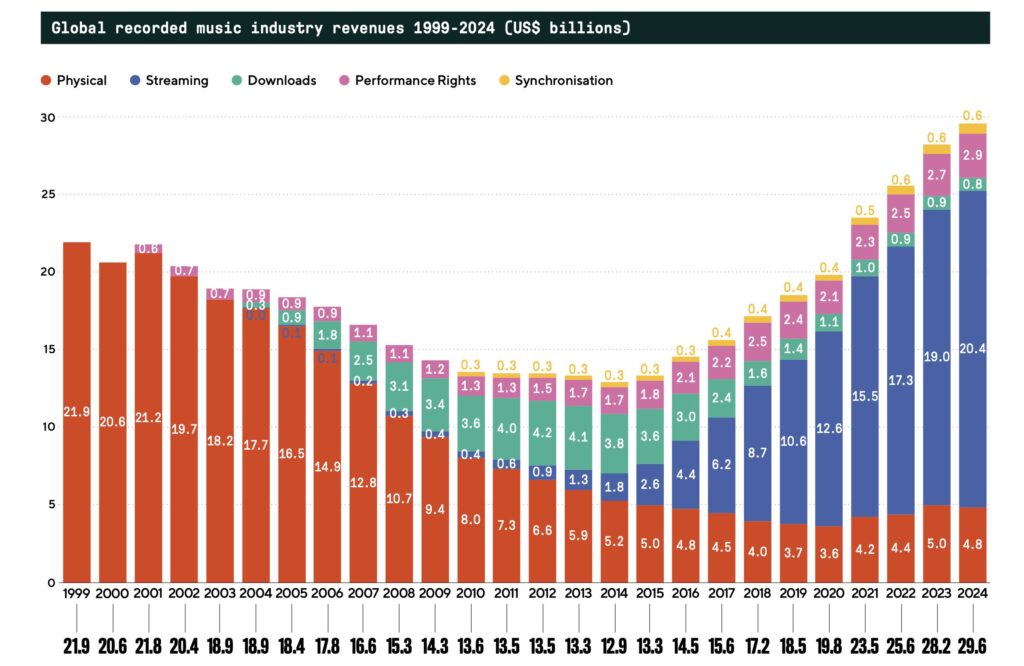
While digital platforms offer unparalleled reach, they rarely offer financial sustainability for indie acts. As highlighted in a recent report by ERR News, very few artists in Estonia are finding Spotify to be a viable primary source of income.
According to Mati Kaalep, CEO of the Estonian Authors’ Society (EAÜ), streaming volumes simply do not correlate with the actual compensation creators receive. Aside from major, mainstream-adjacent Estonian exports like electronic producer Syn Cole or hip-hop artist Tommy Cash, the vast majority of local musicians find that digital streaming functions strictly as a tool for exposure rather than a reliable livelihood.
The issue isn’t just the per-stream fraction-of-a-cent payout structure; it is also a massive global infrastructure problem involving data accuracy. Kaalep pointed out that massive tech companies often hold data on musical works that fails to align with international authors’ societies’ databases, meaning independent tracks frequently slip through the cracks of royalty collections due to fragmented metadata and registration errors.
Diversifying the Playbook for Indie Creators
To survive without a major commercial machine, independent musicians must look past the algorithm. Relying solely on a passive digital upload is a losing strategy. Instead, building a sustainable career requires active administrative precision and multi-channel monetization.
- Flawless Metadata and Rights Management: Because database mismatches cost independent artists thousands in lost global royalties, meticulous song registration is crucial. Ensuring every cowriter, publisher, and split is accurately cataloged internationally is the only way to capture global income.
- The Power of Local Broadcasting and Synchronizations: While international streaming grabs the headlines, traditional local ecosystems remain powerful. In Estonia, the EAÜ actively tracks exact radio airplay down to the second to distribute collective licensing funds back to local creators. For non-traditional and instrumental artists, securing sync licensing (placing music in film, TV, gaming, or advertisements) yields significantly higher returns than millions of passive digital streams.
- Curating Dedicated Sub-Cultures: When the mass market algorithm fails to pay the bills, human-curated niches become an artist’s greatest asset. Developing deep relationships with independent playlist curators, music bloggers, and specialized communities allows artists to target dedicated listeners who are far more likely to buy physical merchandise, attend live shows, and directly support the craft.
Reclaiming Independence
The shifting tides of the music business prove that true independence isn’t just about making music without a label, it’s about understanding the mechanics of how your art is managed, tracked, and funded. By pairing creative boundary-pushing with a sharp approach to global rights administration, independent creators can turn digital visibility into a resilient, tangible career.