Streaming services have reshaped how we listen to music. The promise is irresistible: a monthly fee, unlimited access to nearly the entire recorded history of music, and algorithmic tools designed to help you discover your next favorite artist.
But behind the polished playlists and endless recommendations lies a more complicated reality, one that affects both listeners and artists.
Streaming may have solved the problem of access, but it has quietly created new questions about ownership, discovery, and value.
The Listening Habit Nobody Talks About
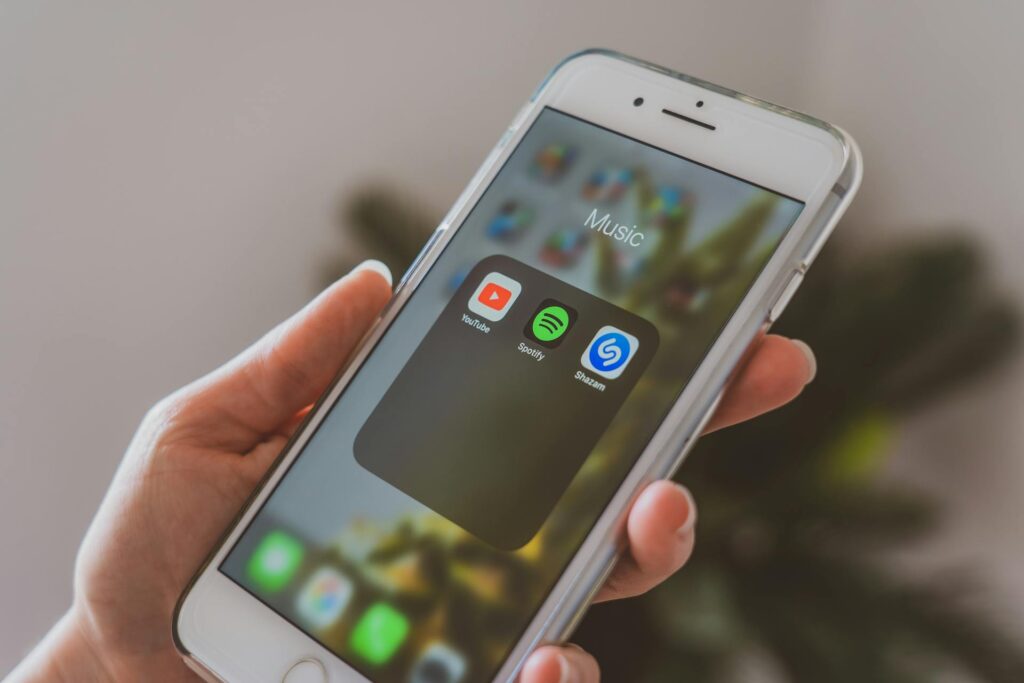
From the outside, streaming appears to encourage constant discovery. Every platform promotes curated playlists, algorithmic radio stations, and “discover weekly” features meant to expose listeners to new music every day.
In practice, listening behavior is far more conservative.
As someone who has worked in music market for years and have co-owned a music streaming service for few years, I know and have analysed the listening habbits first hand.
Most listeners return to the same personal catalogue again and again. Over time, nearly everyone develops a core library of favorite tracks, sometimes a few hundred songs, sometimes more, but the pattern is consistent: the majority of listening happens within that familiar collection.
New discoveries certainly happen, but they occur slowly. People rarely wake up wanting to rebuild their musical identity every morning. Music is deeply emotional, tied to memory and mood, and most listeners prefer returning to songs they already love.
This reality weakens one of streaming’s central marketing claims: that discovery is happening constantly and effortlessly.
Discovery Didn’t Start With Streaming
Long before algorithms entered the picture, music discovery happened through a network of cultural channels:
- recommendations from friends
- television and radio broadcasts
- concerts and festivals
- films and television soundtracks
- music journalism and reviews
- searching for artists similar to the ones you already loved
Streaming platforms now claim to have perfected discovery through algorithms and playlists. Yet for artists trying to build an audience, the traditional ecosystem remains just as important as ever.
To grow a fanbase today, musicians still rely heavily on:
- media exposure (radio, TV, film placements)
- coverage in magazines and blogs
- live performances
- social media communities
- word-of-mouth sharing
Playlist promotion and platform advertising can help, but they rarely replace these older pathways. Discovery in music is still fundamentally social and cultural, not purely algorithmic.
Access vs Ownership
Streaming’s biggest advantage is convenience. For a monthly fee, listeners can instantly access almost any song ever recorded.
But this convenience comes with a quiet trade-off: you no longer own your music library.
In the past, buying a record, CD, or digital album meant adding something permanent to your personal archive. You could listen to it for decades without paying again.
Streaming turns music into a rental system. The moment you cancel the subscription, the entire catalogue disappears.
This wouldn’t matter much if listeners were constantly exploring thousands of new songs. But if most people repeatedly listen to a relatively stable personal catalogue, the economics begin to look different.
Many listeners may end up paying subscription fees for years just to access a collection of music that could have been purchased outright.
The Economics Behind the Streams
Streaming has also transformed how money flows through the music industry.
Instead of paying directly for specific albums or songs, subscription and advertising revenue is pooled together. The total revenue is then distributed based on overall stream counts across the entire platform.
In this system, payouts are determined by scale. Songs that accumulate massive numbers of plays capture the largest share of the revenue pool.
For independent artists and emerging musicians, this creates a major challenge. Without millions of streams, the financial return from streaming alone can be extremely small.
Even successful artists often rely on other income sources, concerts, merchandise, licensing, and direct sales, to sustain their careers.
Why Streaming Doesn’t Automatically Help Artists Grow
The common assumption is that streaming platforms democratize music exposure. In theory, anyone can upload music and be discovered.
In reality, the sheer volume of music now being released, including algorithmically generated tracks, makes it harder than ever for new artists to stand out.
More music is available than at any point in history. Attention, however, has not expanded at the same rate.
As a result, emerging musicians often find themselves competing not only with major label catalogues but also with a flood of new releases entering the ecosystem every day.
Streaming offers global distribution, but distribution alone does not guarantee discovery.
The Hidden Cost of Infinite Access
It is also important to remember that having the entire global music catalogue available at your fingertips requires enormous infrastructure. Running the servers and systems that make this possible consumes vast amounts of energy and is extremely expensive.
In practice, much of the money paid through streaming subscriptions is not even aimed to artists or labels. A significant portion is simply required to maintain the technological infrastructure that allows users to access music instantly, 24 hours a day.
There is even an environmental cost to consider. Streaming billions of songs every day requires far more energy than simply playing music stored locally on a device. The illusion of limitless access may feel effortless to the listener, but behind the scenes it is anything but another brick in the wall of capitalism.
A Different Way to Think About Listening
None of this means streaming is inherently bad. It remains one of the most convenient listening tools ever created. And We should not forget that after the intenet revolution and MP3, it was streaming services that brough the music economy slowly back from dead, and today streaming has a 69% share of the global music market.
But its value may be different from what the industry originally promised.
Streaming works best as a discovery tool and exploration platform. It allows listeners to browse widely, experiment with new genres, and encounter unfamiliar artists.
At the same time, maintaining a personal music library, whether digital or physical, still has meaningful advantages:
- permanent ownership
- offline access without subscriptions
- direct financial support for artists
For listeners who repeatedly return to the same favorite albums, building a small personal collection can be surprisingly valuable.
Supporting the Artists You Love
If listeners want to support musicians more directly, a few simple actions still make a significant difference:
- purchasing albums or downloads
- attending concerts and event
- buying merchandise
- sharing music within their communities
These activities remain the backbone of the independent music ecosystem.
Streaming may shape how music is distributed, but culture is still built through human connections.
The Real Role of Streaming
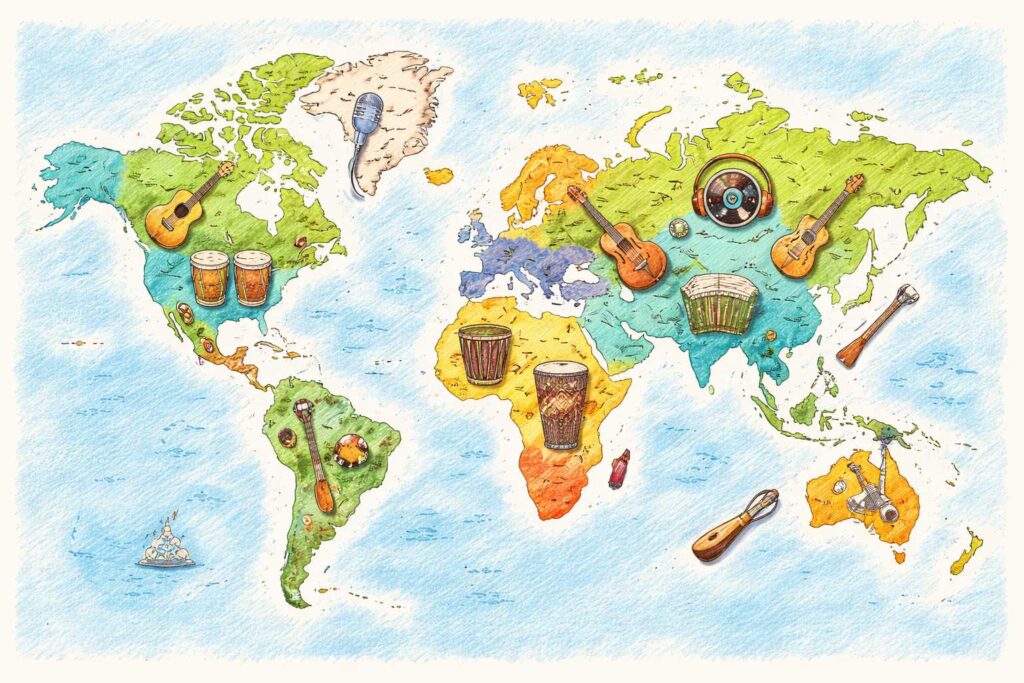
Streaming is a remarkable technological achievement. It has given listeners unprecedented access to music from every corner of the world.
But access is not the same thing as ownership, and algorithms are not the same thing as culture.
For many listeners, the future may lie in balancing both worlds: using streaming to explore new music while maintaining a personal catalogue of the artists and albums that truly matter.
Because in the end, the songs we return to again and again are rarely just data in a playlist.
They become part of our lives.
#MusicStreaming #MusicArchive #ArtistRoyalties #StreamOrBuy #DigitalMusic #MusicEconomy #IndieMusic #SupportArtists #MusicOwnership #Spotify #AppleMusic #Tidal #MusicBusiness #PayForMusic #MusicDiscoveries #StreamingWars #AudioCommunity #MusicCulture #VinylLife #MusicLovers #Songwriters