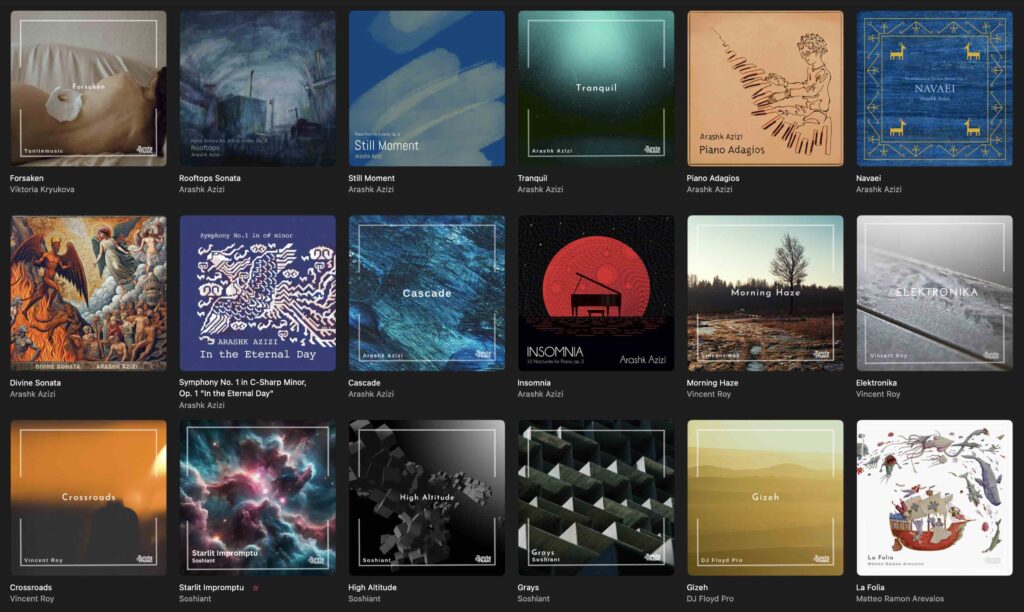
In today’s streaming-driven music industry, releasing a digital album is no longer a local act. The moment a release goes live, it becomes globally available, searchable, streamable, and discoverable far beyond national borders.
Yet to my experience, many independent musicians still plan their audience strategy as if the world stops at Europe and the United States. The latest global music industry data suggests this is a serious blind spot.
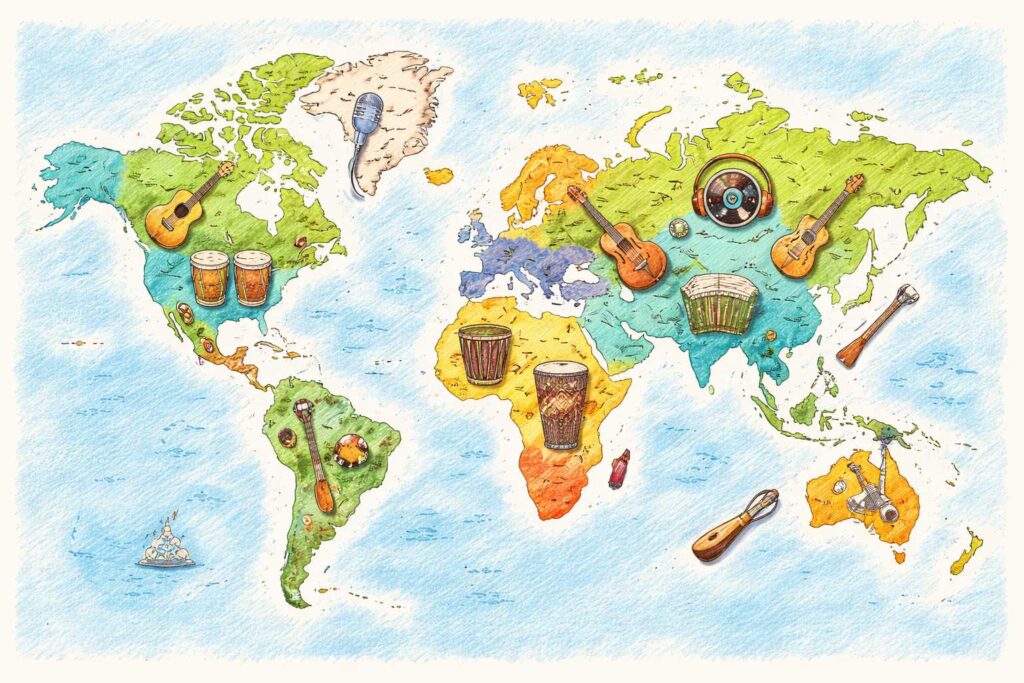
Local First, and That Still Matters
Let’s be clear: focusing on a local audience remains essential, especially for independent artists.
Local listeners are the ones who:
- Attend concerts and live events
- Buy physical editions and merchandise
- Support long-term career sustainability
For artists releasing digital albums, local and nearby audiences form the foundation, culturally, economically, and logistically. Touring, networking, radio exposure, and collaborations all grow most naturally close to home.
To be clear, when I say local audience, I’m talking about several layers of audiences. in a nutshell (too simplified) you can categorise your local audience into:
- Audience in your immediate area (city and parish).
This audience is the most likely to attend your concerts, live events, and local appearances. - Audience within your country.
This group may also attend events and is more likely to support you through merchandise purchases and long-term engagement. - Audience in your wider geographical region (for example, the Baltic countries, Southern Europe, or Southeast Asia).
While live attendance is less frequent, this audience is more inclined to support artists through physical releases, special editions, and targeted online campaigns.
Digital Albums Are Global by Default
Unlike physical releases, digital albums do not require distribution deals, shipping, or market-by-market rollout plans. A release on streaming platforms enters every market at once from day one.
This means independent musicians are no longer limited by geography, but by imagination and strategy.
And this is where many artists still think too narrowly.
The Western Bias in “Global” Thinking
In practice, when independent artists talk about “global audiences,” they usually mean:
- Germany
- The UK
- France
- Scandinavia
- The United States
- Canada
These markets are important, but they are not the whole global picture, nor are they always the fastest-growing or most receptive.
The IFPI data tells a more complex and more promising story.
Asia and South America: Growth You Can’t Ignore
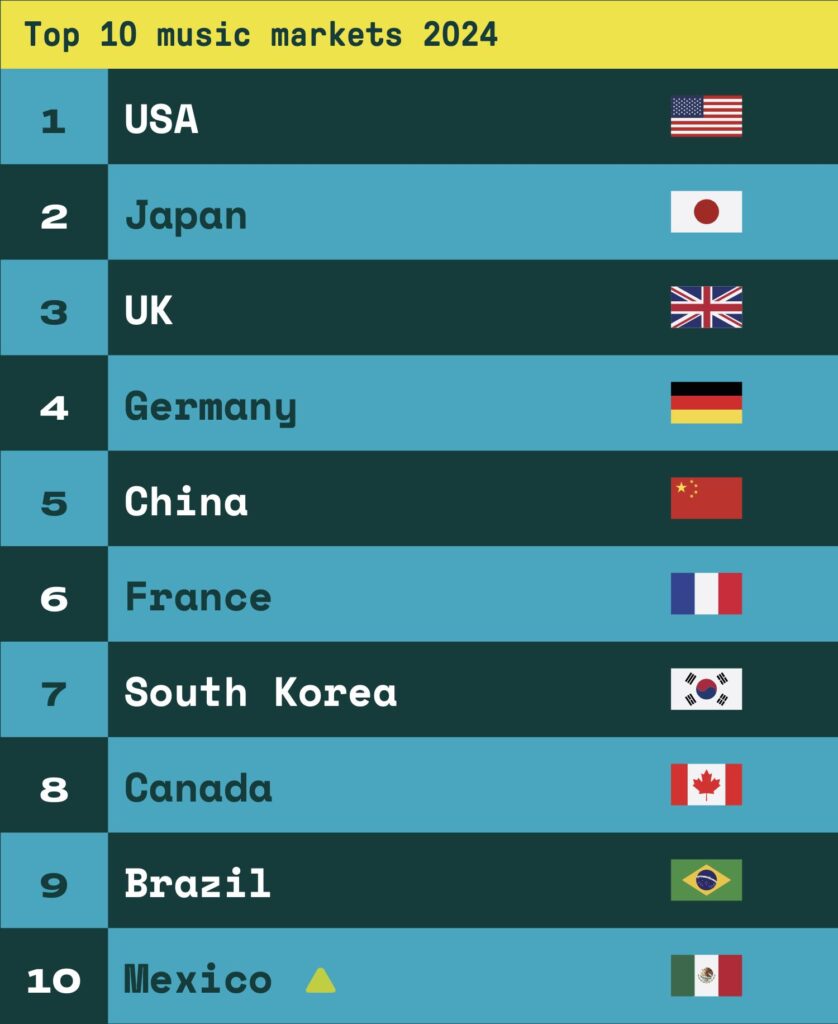
According to the global figures, Asia remains one of the largest and most dynamic music markets, with Japan consistently ranking among the top global markets by revenue, and South Korea continuing its strong growth trajectory, not only through K-pop, but through digital consumption more broadly.
At the same time, Latin America, led by markets such as Brazil, has shown sustained growth driven almost entirely by streaming. These are young, highly engaged listener bases where discovery happens fast and loyalty can be strong.
For independent musicians, this matters because:
- Streaming penetration is high
- Playlist culture is active
- Genre boundaries are more fluid
- Language is less of a barrier than it once was
In other words, these are markets where digital albums can travel far beyond their origin.
A Smarter Two-Step Strategy for Independent Artists
Based on both industry data and real-world experience, a more realistic strategy looks like this:
Step 1: Local and regional focus
- Build a core audience where live presence is possible
- Strengthen cultural identity and narrative
- Use local media, radio, and events
Step 2: Global thinking — beyond the West
- Treat digital albums as global products
- Pay attention to Asia and South America, not just Europe and the US
- Monitor listener data country by country
- Adjust promotion, visuals, and storytelling accordingly
This does not require massive budgets. It requires awareness.
Streaming platforms already show where listeners come from. Independent artists who take this data seriously often discover unexpected audience clusters — sometimes far from where they started.
Global Music Industry Revenue: What the Numbers Tell Independent Musicians
The Real Opportunity of the Digital Era
The biggest shift in the modern music industry is not just revenue growth, it is access.
Digital albums allow independent musicians to:
- Reach listeners they could never tour for
- Build international relevance without intermediaries
- Develop long-term audiences across continents
Ignoring global markets because they feel distant or unfamiliar is no longer a strategic choice, it is a missed opportunity.
The data is clear: the future audience of independent music is global, diverse, and no longer centered only in the West.
Artists who understand this early, and plan accordingly, are the ones most likely to grow sustainably in the streaming era.
#GlobalMusicMarket #MusicIndustry #IndependentArtists #IndieMusic #DigitalAlbum #DigitalAlbums #MusicStreaming #GlobalAudience #AudienceDevelopment #MusicStrategy #MusicBusiness #ArtistDevelopment #StreamingEra #MusicTrends #InternationalMusic #Tunitemusic