Dreams by Daivd Joseph is an ambitious modern‑classical release that unfolds over five distinct sections. The album is a 50‑minute exploration of narrative orchestration, blending the rhythmic vitality of 20th‑century film scores with the angular brilliance of early‑modern composers such as Stravinsky, Bartók, and Boulez. In what feels like a cinematic soundtrack for the concert hall, Joseph’s compositions weave a tapestry of drama and introspection that invites listeners to traverse a musical landscape of haunting memories and hopeful dreams.
Overview of the Five Parts
- The Dream – performed by the Adelaide Chamber Orchestra
- The Haunting – performed by the Melbourne Symphony Orchestra
- The Memory – performed by the Hunter Orchestra
- Two Ballet Scenes – By the Fountain – performed by the Queensland Ballet
- Two Ballet Scenes – At the Window – performed by the Queensland Ballet
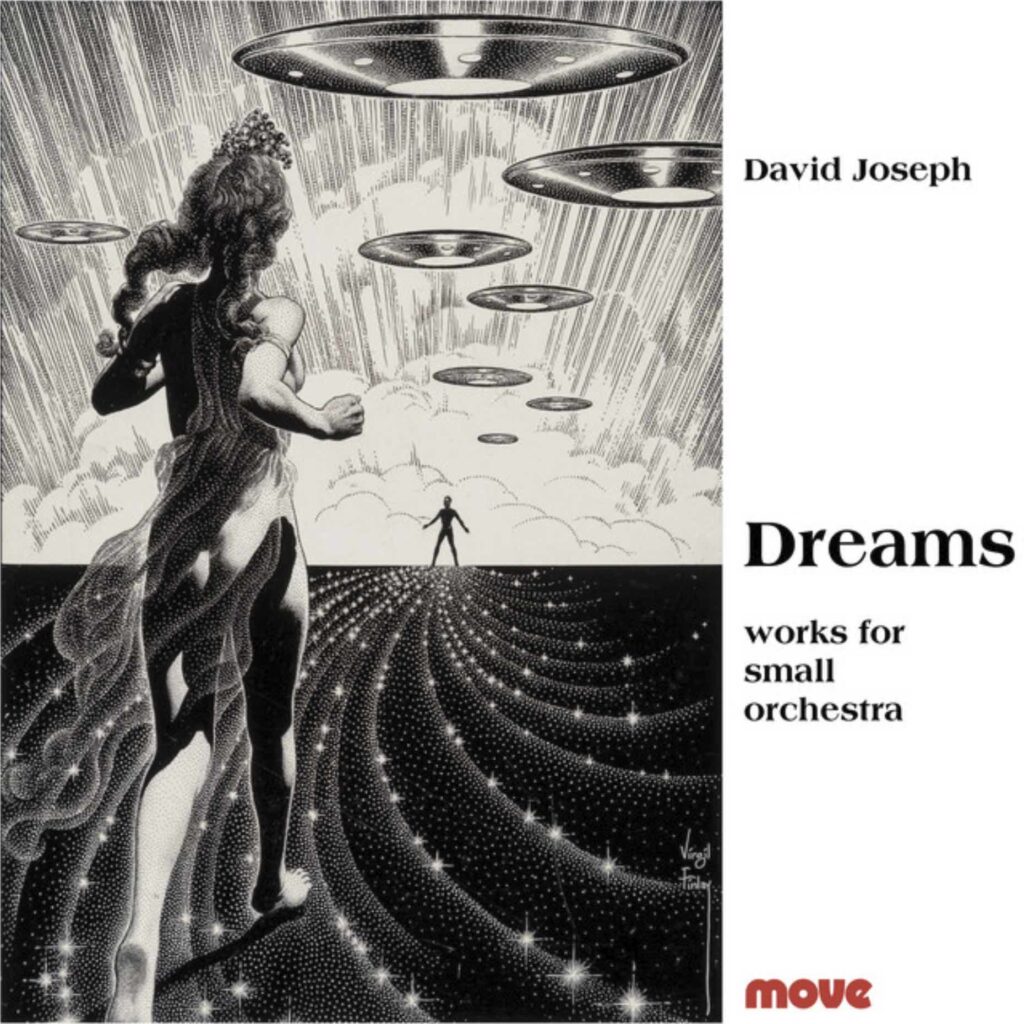
Each movement is crafted with a distinct character, yet they share a cohesive thread that ties the album together. The first three pieces are purely orchestral, gradually building a sonic narrative that culminates in the two ballet scenes, which add a kinetic, visual dimension to Joseph’s music.
Orchestration and Style
Joseph’s score is a masterclass in orchestration. He employs the full palette of the orchestra, from delicate strings to bold brass, but it is his treatment of percussion that stands out. Rather than merely accentuating the beat, the percussion drives the drama forward, punctuating emotional peaks and adding an almost cinematic pulse to the music. This approach recalls the rhythmic drive of late‑Romantic film scores while maintaining a distinctly contemporary edge.
The harmonic language is reminiscent of early‑20th‑century modernists, with sharp dissonances, polytonality, and angular motifs. Yet Joseph avoids the austerity of serialism, opting instead for a more accessible, almost lyrical approach. The result is a sound world that feels both nostalgic and freshly innovative.
Performance and Collaboration
The performances are as varied as the orchestras themselves. The Adelaide Chamber Orchestra delivers a nuanced, chamber‑orchestra intimacy that is perfect for the opening “Dream.” The Melbourne Symphony Orchestra brings a lush, full‑bodied sound to “The Haunting,” while the Hunter Orchestra offers a more raw, unfiltered energy in “The Memory.” The Queensland Ballet’s collaboration in the two ballet scenes adds a visual layer, bringing the music to life on stage and creating a vivid, multi‑sensory experience.
Composer’s Background
David Joseph was born in Melbourne in 1954. He studied Arts at the University of Tasmania (1973) and later attended the Faculty of Music at the University of Adelaide (1976), eventually earning a Master of Music from the University of Melbourne in 1996. He has written for a range of major Australian orchestras, Melbourne Symphony, Tasmanian Symphony, Adelaide Symphony, the Melbourne Chamber Orchestra, and Adelaide Chamber Orchestra, while also engaging in significant collaborations in Europe, including work for the Zagreb Soloists, Dr. Paul Sacher for the Collegium Musicum Zurich, and the Ripieno Kammerorchester in Winterthur.
Final Thoughts
Dreams by Daivd Joseph is a testament to the vitality of modern classical music. The album’s structural clarity, dynamic orchestration, and emotional depth make it a standout release for both seasoned concertgoers and newcomers to contemporary orchestral repertoire. Joseph has succeeded in creating a musical narrative that feels both timeless and unmistakably of our era. Whether you’re listening in the quiet of your living room or experiencing the music live, Dreams by Daivd Joseph offers an immersive, evocative journey that lingers long after the final chord.
#DreamsByDaivdJoseph #ModernClassical #MusicReview #OrchestralMusic #DavidJoseph