Cascade by Alex Solely is a contemporary neoclassical album that embraces the quiet power of minimalism, inviting listeners into a deeply personal world of reflection and memory. Built around the expressive dialogue between piano and strings, the record favours emotional honesty over dramatic spectacle, allowing each composition to unfold with patience and natural grace. Cascade immerses its audience in a series of intimate musical landscapes where every note feels purposeful and every silence carries meaning.
Alex Solely’s background as a contemporary neoclassical composer is evident throughout the record. His writing embraces modern minimalism without becoming repetitive, while every composition carries a distinct emotional identity. Inspired by landscapes, encounters, and memories gathered across different countries, Cascade feels less like a personal diary translated into music.
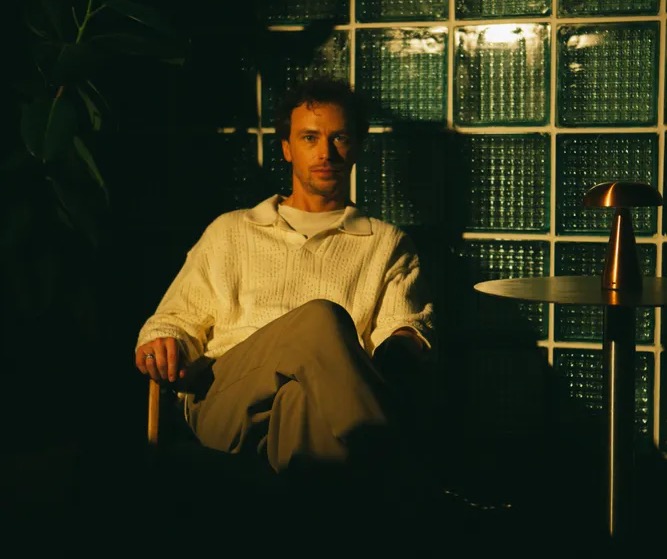
Cascade by Alex Solely, A Musical Journey Across Borders
The story behind the album naturally extends into its sound. Recorded at Zuh Studio in Kazakhstan before being mixed and mastered at Ocean Sound Recordings in Norway, the production mirrors the geographical journey that inspired its creation. Yet despite its international production, the music never feels grandiose. Instead, it remains remarkably intimate, as if every piece was composed in solitude before quietly finding its audience.
The production deserves recognition for preserving the natural warmth of the piano while allowing the strings to breathe with remarkable clarity. Nothing feels artificially polished or over-produced. Every note has space to resonate, reinforcing the reflective atmosphere Alex Solely clearly intended.
Cascade Track by Track
Morning Thoughts opens the album with a brief solo piano meditation. Like the title suggests, it resembles the first quiet thoughts after waking, gentle, slightly melancholic, but not descending into sadness (unlike my morning thoughts). It serves as a subtle invitation into the emotional world of the album.
Cascade of Nothing expands that world beautifully. An expressive piano arpeggio introduces one of the album’s strongest melodies before the violin enters with remarkable tenderness. The rich vibrato and lyrical phrasing create an atmosphere filled with nostalgia and warmth. Rather than demanding attention, the piece gradually surrounds the listener, creating what feels like a dream suspended in time.
Last Night continues this emotional thread. Piano and strings work together effortlessly, producing a poetic landscape where every phrase feels carefully considered. The composition speaks quietly, proving that emotional depth often comes through simplicity rather than complexity.
Standing at the centre of the album is Little Bird, its longest composition and one of its most narrative. From the very beginning, I was reminded of the opening theme from Forrest Gump. The resemblance lies not in the melody itself but in the rhythmic character of the piano arpeggio, whose short-long-long-long pattern evokes a similar sense of innocence and gentle nostalgia. As the piece unfolds, darker colours gradually emerge. The initial motif eventually gives way to flowing cascades of piano figures accompanied by soaring strings, leading towards an emotional climax before gently returning home. The final violin phrases feel like a quiet goodbye, bringing the composition to a deeply satisfying conclusion.
Alone shifts the focus to the violin. Opening with a heartfelt solo before the piano gradually joins, it creates one of the album’s most intimate conversations between the two instruments. The emotional landscape remains reflective rather than sorrowful, expressing solitude without loneliness.
Then comes something different, a Fuss. After several contemplative works, this composition introduces urgency and rhythmic tension through fast-moving piano figures and sharp, staccato writing for the strings. Its minimalist language immediately recalls composers such as Philip Glass, though Alex Solely retains his own melodic voice throughout. The relentless momentum and carefully controlled energy make this my personal favourite track on the album.
Parable provides the perfect contrast. Atmospheric textures, low piano registers and the deep voice of the violin create a meditative soundscape. Rather than telling a concrete story, the piece communicates a state of mind. After the intensity of Fuss, it feels like taking a deep breath before the album reaches its conclusion.
The closing track, Alone (Piano Version), strips away the strings entirely. Reduced to solo piano, the familiar melody gains a new level of vulnerability. Soft, spacious and deeply personal, it functions as a gentle farewell that leaves the listener with the same quiet introspection that opened the album.
The Emotional Language of Cascade by Alex Solely
One of the album’s greatest strengths lies in its consistency. Many contemporary neoclassical releases struggle to maintain a coherent emotional identity across an entire programme. Cascade succeeds because every composition feels connected to the same artistic vision while still offering its own character.
Alex Solely demonstrates considerable restraint as a composer. He avoids excessive sentimentality, choosing instead to trust silence, repetition and gradual development. His minimalist vocabulary never becomes mechanical because every repetition serves an expressive purpose. The music breathes naturally, allowing listeners to project their own memories and experiences into each composition.
Listeners familiar with artists such as Ludovico Einaudi, Ólafur Arnalds, Nils Frahm or Philip Glass will certainly recognise elements of those traditions, yet Alex Solely avoids imitation. His writing carries its own understated personality—one built upon sincerity rather than spectacle.
Final Thoughts on Cascade by Alex Solely
Cascade by Alex Solely is an album that understands the value of quietness. It never competes for attention, yet it gradually earns it through honest composition, elegant performances and thoughtful pacing. Every piece contributes to a larger emotional journey inspired by places, encounters and memories, allowing listeners to discover fragments of their own stories within the music.
For anyone who appreciates contemporary classical music, modern minimalism or reflective piano compositions, Cascade offers a rewarding listening experience. It is an album best enjoyed without distraction, allowing its delicate interplay of piano and strings to unfold naturally. Alex Solely has created a work that is both deeply personal and universally relatable, a collection of musical reflections that continue to resonate long after the final note fades away.
#AlexSolely #Cascade #CascadeByAlexSolely #NeoclassicalMusic #ContemporaryClassical #Minimalism #PianoMusic #InstrumentalMusic #ModernClassical #StringMusic #PeacefulMusic #ReflectiveMusic #AlbumReview #IndependentArtist #MusicBlog