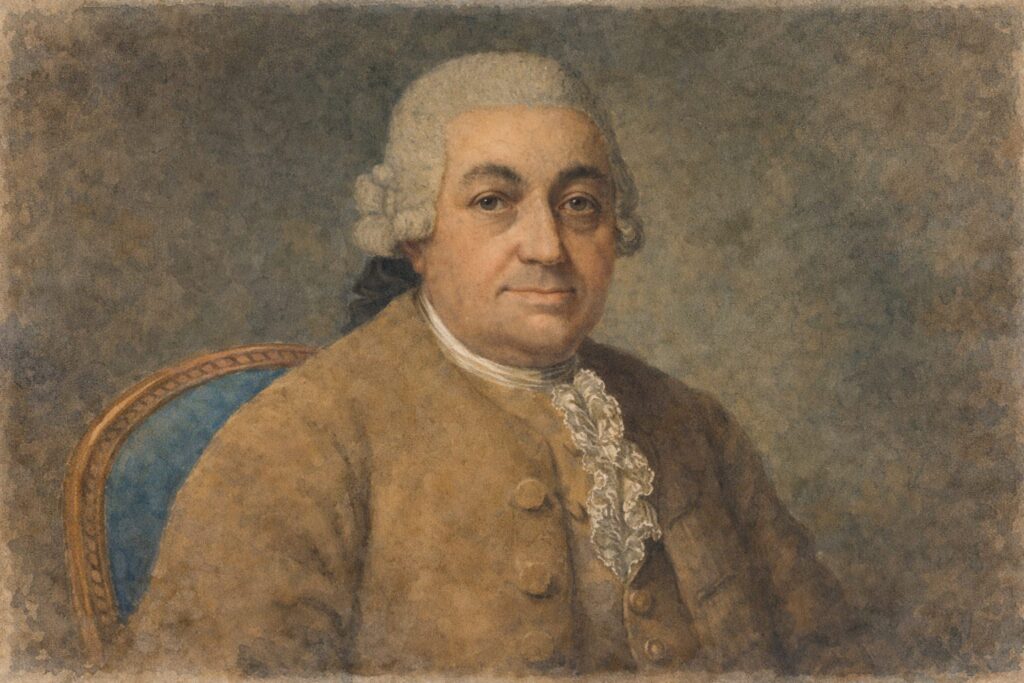
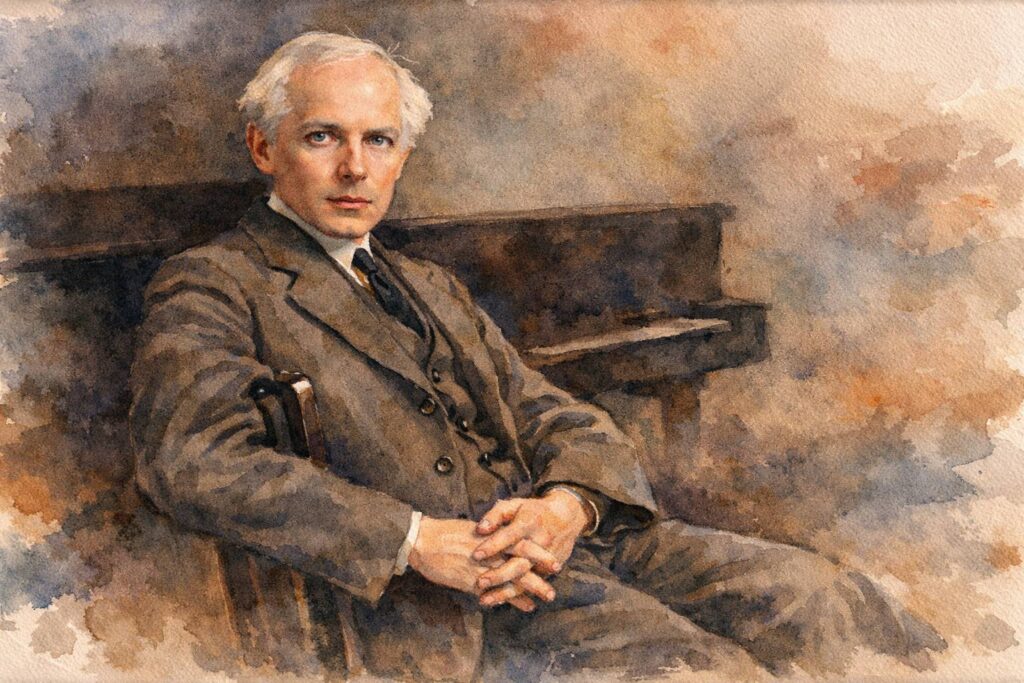
Karl (or Carl) Czerny (21 February 1791 – 15 July 1857) stands as one of classical music’s most influential yet often misunderstood figures, not primarily for grand symphonies or concert hall fame, but as the architect of piano technique and pedagogy whose impact still resonates in every conservatory and piano studio around the world. Every classical pianist in the world has played at least part of Czerny’s etudes for piano, his influence has continued to this day.
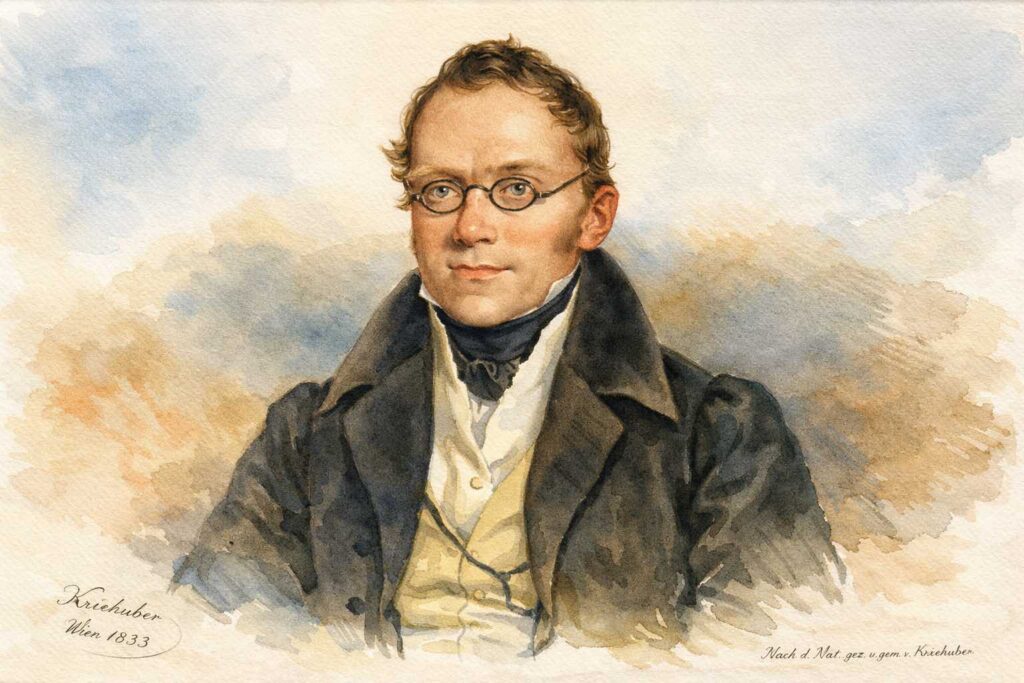
Early Life, Education, and First Musical Influences
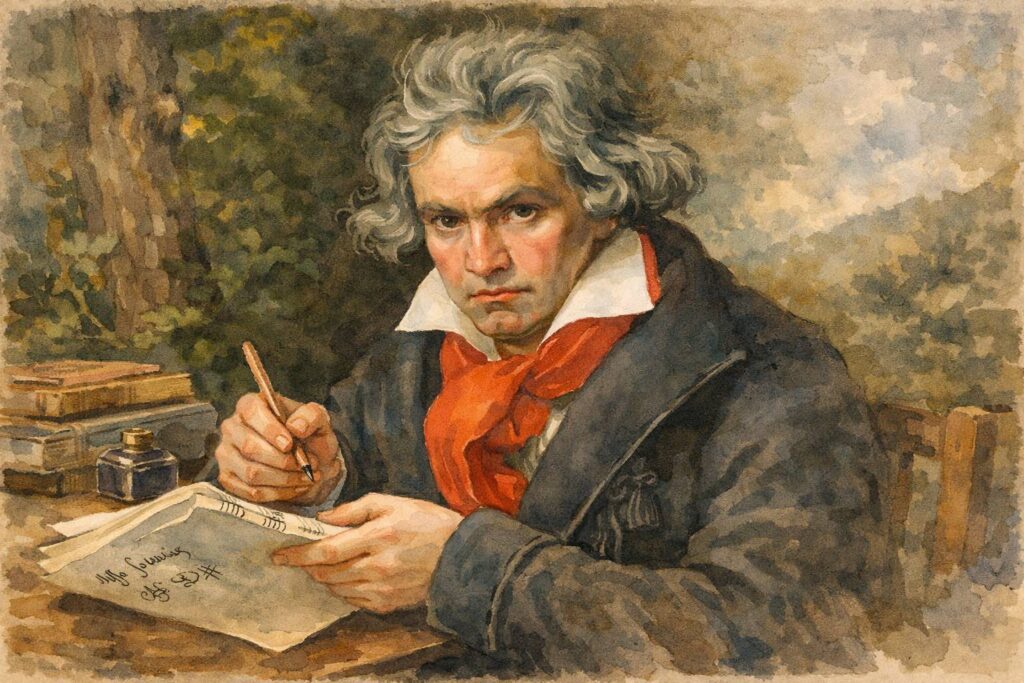
Czerny was born in Vienna, the vibrant heart of the Habsburg Empire. A child prodigy, he began piano studies with his father, Wenzel Czerny, before entering the orbit of Ludwig van Beethoven around 1800. Over several formative years, he absorbed Beethoven’s pianistic intensity, technical rigor, and compositional imagination firsthand, learning not just notes but interpretive depth from one of history’s greatest composers.
In his youth Czerny also encountered other towering figures of his era. Through concerts and social circles he was exposed to the musical voices of Muzio Clementi and Johann Nepomuk Hummel, whose playing and early pedagogical writings also shaped his developing aesthetic.
It was clear early on that he possessed not only technical brilliance, he performed Mozart concertos in public by age nine, but an unparalleled capacity for disciplined study.
Artistic Maturity
Unlike many of his contemporaries, Czerny did not pursue a career as a touring virtuoso. Instead, by age 15 he began teaching piano in Vienna, dedicating himself to developing systematic approaches to technique and musical understanding. Over two decades he maintained an extraordinary teaching schedule, reportedly giving up to 12 hours of lessons per day.
While he continued to compose across genres, from symphonies and chamber music to chamber and choral works, his maturity as an artist shone most clearly in the way he synthesized technical craft with musical expression. Even his etudes and studies, often dismissed as mere exercises, were conceived with musical logic and pedagogical insight that mapped every stage of a pianist’s growth.
Why Carl Czerny Is Important
Czerny’s importance sits at the confluence of performance, pedagogy, and musical lineage. His etudes and teaching methods are far more than dry finger drills: they represent a disciplined path from basic mechanics to advanced artistry, shaping how generations of pianists approach the instrument. Collections like The School of Velocity (Op. 299), The Art of Finger Dexterity (Op. 740), and Practical Method for Beginners (Op. 599) remain central to piano education worldwide.
Importantly, Czerny was not only shaping fingers but minds. He emphasized clarity, precision, expressive control, and crucially an integration of technical mastery with musical interpretation.
Greatest Works and Output
Czerny’s catalogue numbers well over a thousand published works, including piano sonatas, concertos, chamber music, and sacred music, a testament to his staggering productivity. Most of which unfortunately do not receive the proper attention from performers and audience and are overshadowed by his Piano Teacher figure.
Key pedagogical works
- The School of Velocity, Op. 299
- The Art of Finger Dexterity, Op. 740
- Practical Method for Beginners, Op. 599
These remain foundational to piano training globally.
Selected musical compositions
- Variations on “Gott erhalte Franz den Kaiser”, Op. 73 — an inventive set showcasing both technique and musical invention.
- Numerous piano sonatas, chamber pieces, and symphonies, many of which are just now being rediscovered and reassessed for their expressive qualities beyond pedagogy.
Composition Style and Influence on Others
Czerny’s music blends Classical clarity with early Romantic sensibilities. His piano works feature crystalline textures and patterns that develop both technique and expressive nuance.
His true legacy, however, lives through his students. Franz Liszt, one of his most famous pupils, carried Czerny’s teachings into the next generation, dedicating his own Transcendental Études to him and becoming a voice of virtuosity informed by Czerny’s disciplined technique. Through Liszt, and through other students like Theodor Leschetizky and Sigismond Thalberg, Czerny’s pedagogical lineage extends into the very fabric of modern pianism, shaping virtually every major pianist of the late 19th and 20th centuries and beyond.
Why Czerny Matters Today
Czerny is not merely a historical figure; his work remains a living foundation. Every piano student who works through his studies engages with a pedagogical architecture that still underpins modern technique. Without Czerny’s systematization of finger independence, articulation, and progressive study, the language of piano playing as we know it would be unrecognizably different. His synthesis of technical rigor with expressive depth, and his role in passing Beethoven’s pianistic legacy forward, solidifies his place as a towering figure in music history.
Final Thoughts
Carl Czerny’s genius was not to be a flamboyant virtuoso, but to be the invisible backbone of piano playing, the master craftsman shaping the mechanics and philosophy of an art form. His methods are not relics; they are blueprints still studied today. In a world that often celebrates spectacle, his quiet dedication reminds us that true musical mastery begins with disciplined study, nuanced understanding, and a lifetime of listening and refining.
Sources
- Encyclopædia Britannica: Carl Czerny
- PTNA Piano Music Encyclopedia: Czerny
- Tonebase: Carl Czerny
- Academic study on Czerny’s pedagogy
- Additional analyses and legacy notes, Notes on Czerny’s Life and Works
#CarlCzerny #PianoPedagogy #ClassicalMusic #PianoTechnique #BeethovenLegacy #Liszt #MusicEducation #RomanticEra #VienneseSchool