Picture the quintessential European summer festival. You probably envision a sprawling city of identical tents, towering stages heavily branded by multinational beer corporations, and ticket prices that require a payment plan. For a long time, the music and arts festival circuit has felt like an exercise in aggressive corporate consolidation. Mega-conglomerates buy up beloved independent events, standardize the lineups, and prioritize profit margins over raw creativity.
But just beneath the shadow of these corporate monoliths, a quiet revolution is happening. Driven by a powerful counter-reaction from both artists and audiences, independent, boutique, and open-access festivals are seeing a massive surge in relevance across the continent.
As explored in an insightful feature on the Tallinn Fringe Festival Newsroom, these alternative gatherings are transforming from mere weekend getaways into essential pieces of democratic infrastructure.
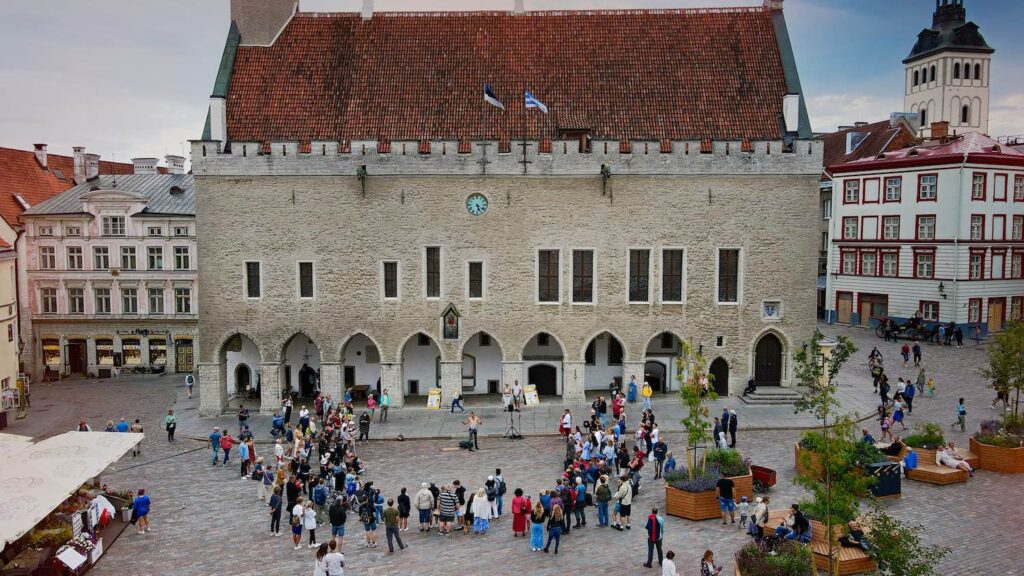
The Pivot Away from the Corporate Monoculture
In an era dominated by streaming algorithms, music discovery has become a highly optimized, passive experience. This digital shift has fundamentally changed what “indie” identity means. Audiences are no longer just looking to passively consume music; they are actively seeking authentic, un-curated human experiences.
This search for genuine meaning has elevated alternative festivals. Instead of getting lost in a chaotic crowd of 100,000 people, music lovers are flocking to intimate gatherings that cap their capacity, prioritize environmental sustainability, and champion local or marginalized voices. These events serve as crucial counter-weights to a hyper-commercialized world.
Open Access: The Radical Freedom of the “Fringe”
At the heart of this cultural shift is the “open-access” model, heavily popularized by fringe festivals like the ones thriving in Estonia and beyond. Traditional festivals rely on a small panel of gatekeepers or selection committees to decide who is “market-viable.” Open-access systems turn that model on its head.
The prerequisites are simple:
- Artists pay a nominal registration fee.
- They find their own performance space—whether it is a traditional stage, an abandoned warehouse, a public park, or a local pub.
This format creates what cultural researchers call a “two-tier fringe.” Legendary, established acts share the exact same calendar and street space as emerging, low-budget, and experimental artists. For the audience, this removes the corporate filter entirely. You aren’t watching an act because a brand executive backed them; you are watching them because they have something raw, immediate, and experimental to say.
Festivals as Democratic Infrastructures
These spaces matter now more than ever because Europe’s social and political landscape is facing deep fractures. Cultural advocates note that amid rising social polarization and institutional distrust, independent performing arts spaces should be treated as vital civic infrastructures rather than just entertainment.
Independent festivals provide physical spaces for real assembly, collective reflection, and intercultural dialogue. They create a rare environment where communities can share emotions publicly, transforming private anxieties into collective narratives.
Furthermore, these grassroots organizations are on the front lines of modern European challenges. As tightening border controls and new digital border management systems (like the EU’s Entry/Exit System) complicate travel for non-EU artists, alternative festivals are often the first to advocate for true artistic freedom, fair pay, and inclusive access.
Why the Fringes Hold the Future
Independent and alternative festivals are doing the heavy lifting to keep the future of music and arts healthy:
- Combating Overtourism: While massive mega-festivals strain local cities, boutique festivals revitalize smaller, rural, or underserved communities.
- Taking Creative Risks: Free from the financial pressure of corporate stakeholders, they give a voice to avant-garde and radical art that would never survive a corporate main stage.
- Building Real Solidarity: They prove that a festival can be a temporary, self-governing community built on mutual respect, ecological awareness, and shared emotional experiences.
The next time you look to book a ticket, look past the massive corporate logos. Seek out the fringes, the independent fields, and the un-curated stages. That is where the real heart of live music and culture is beating.