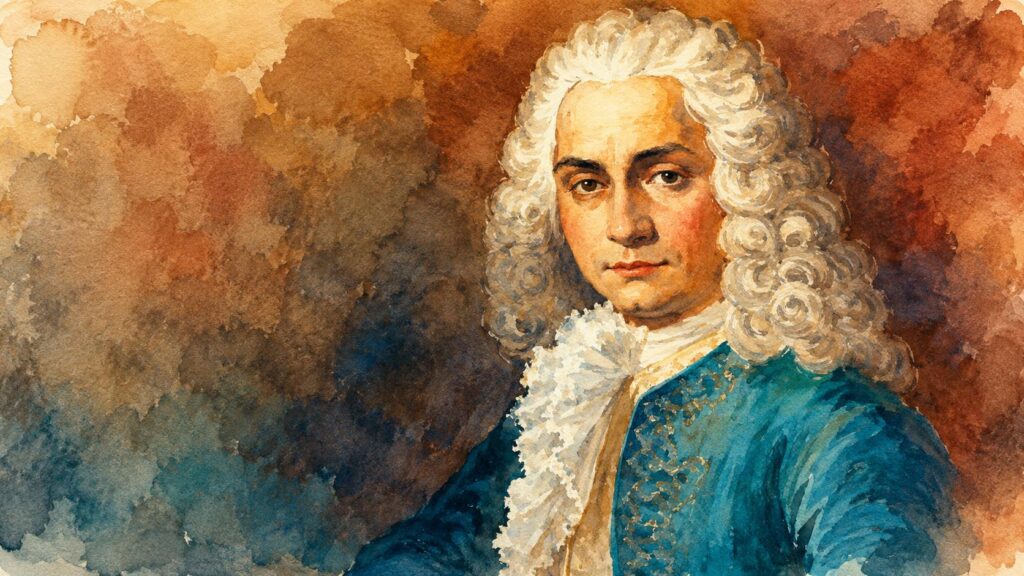
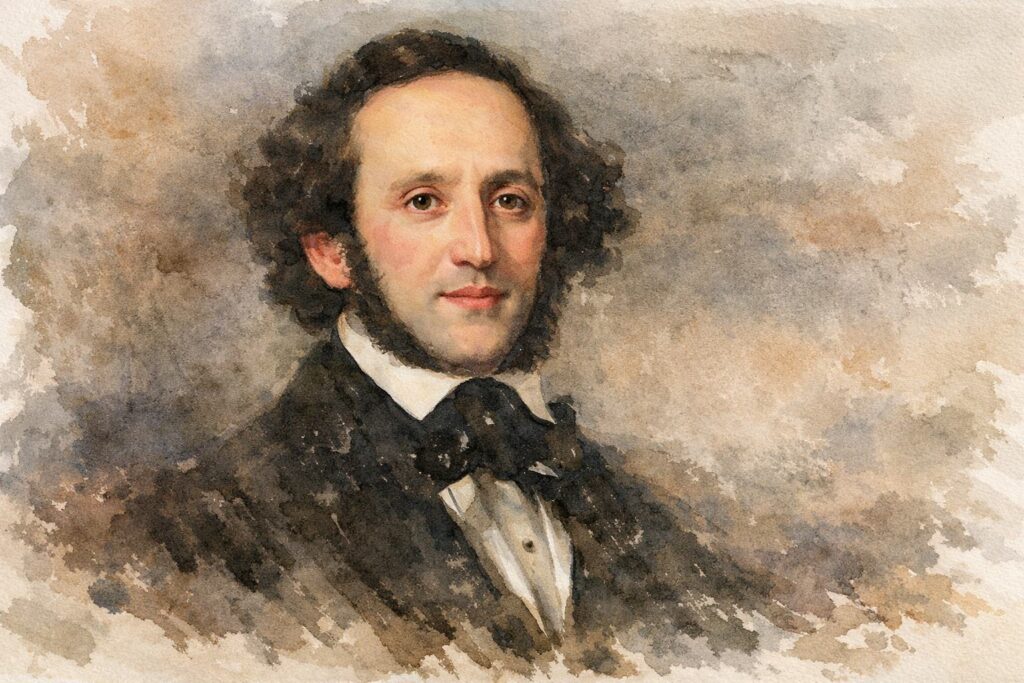
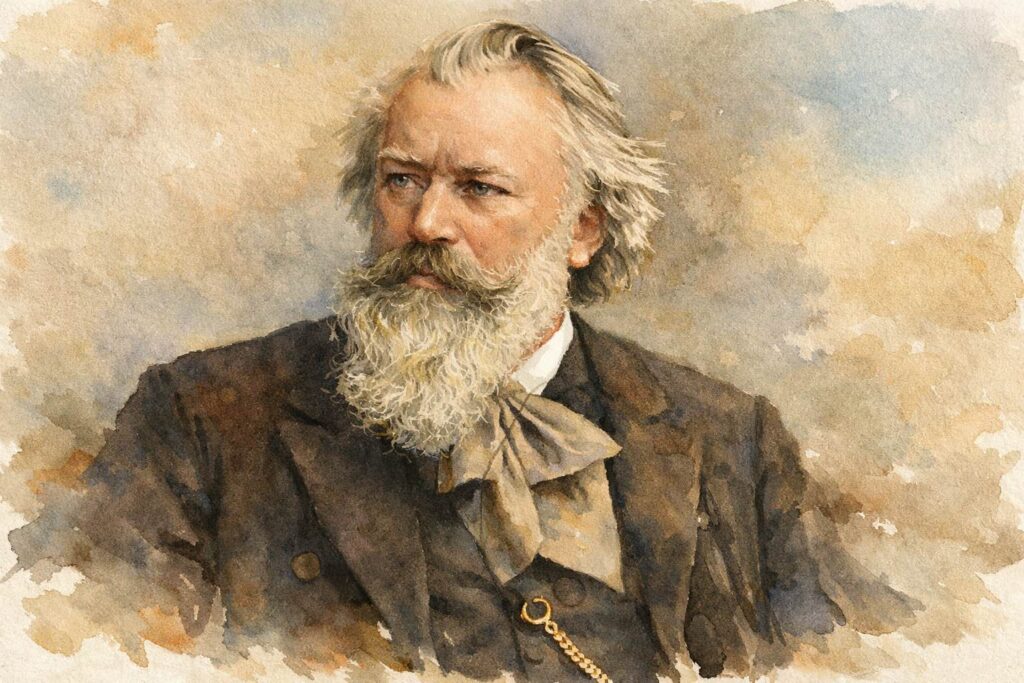
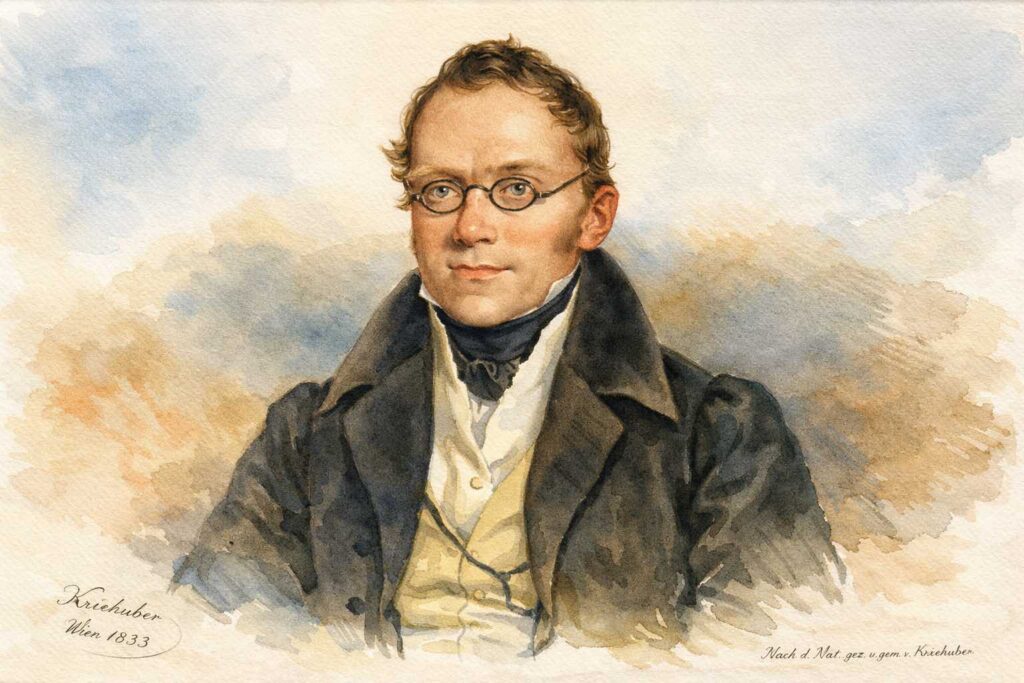
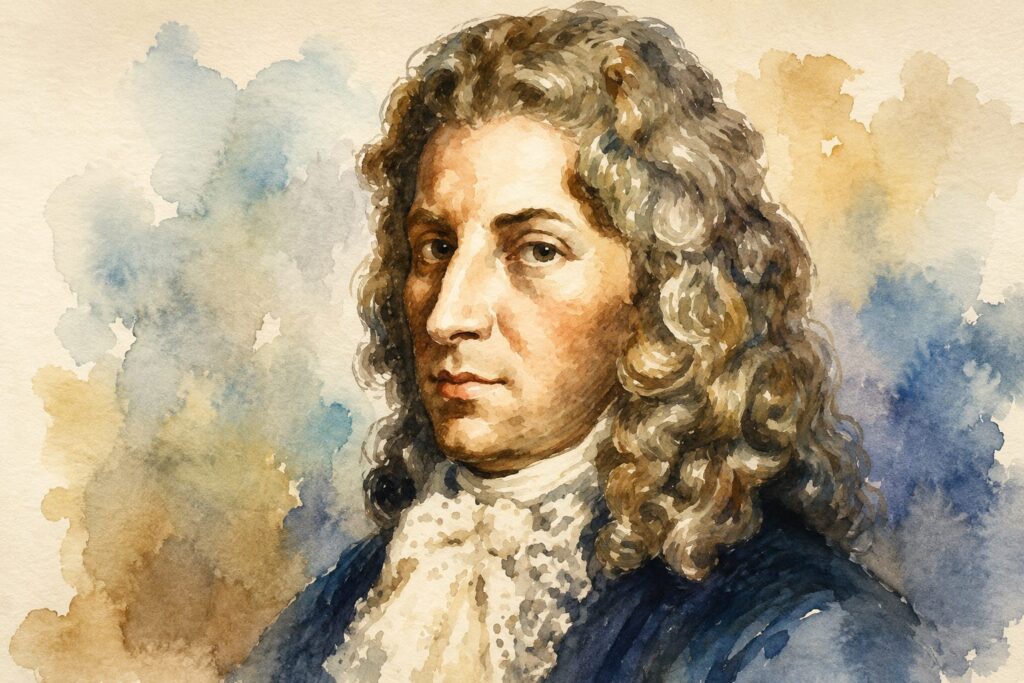
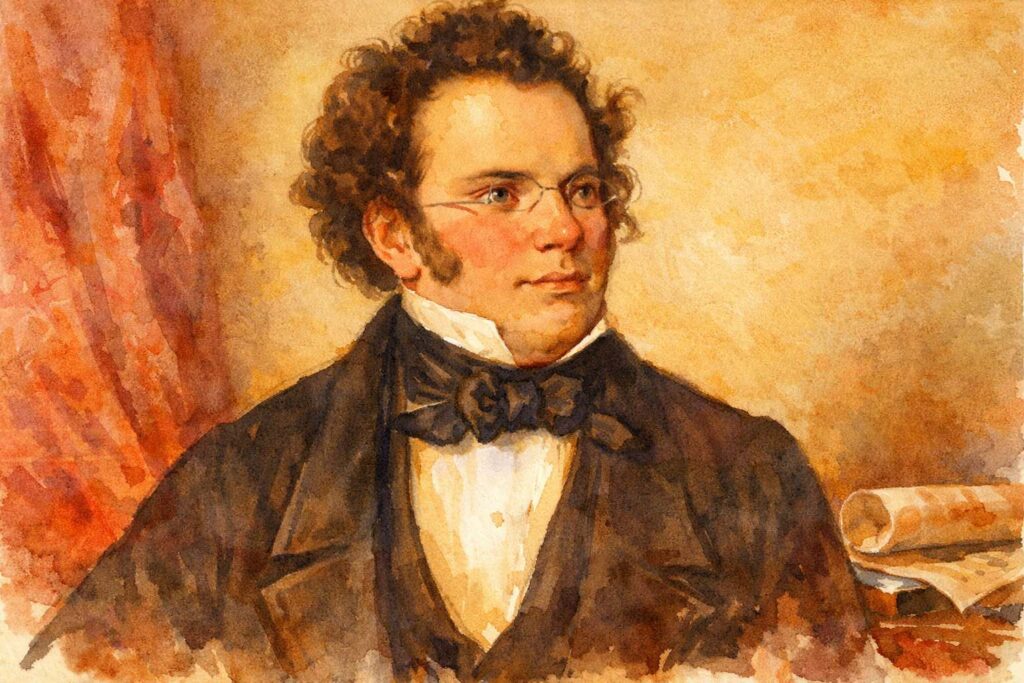
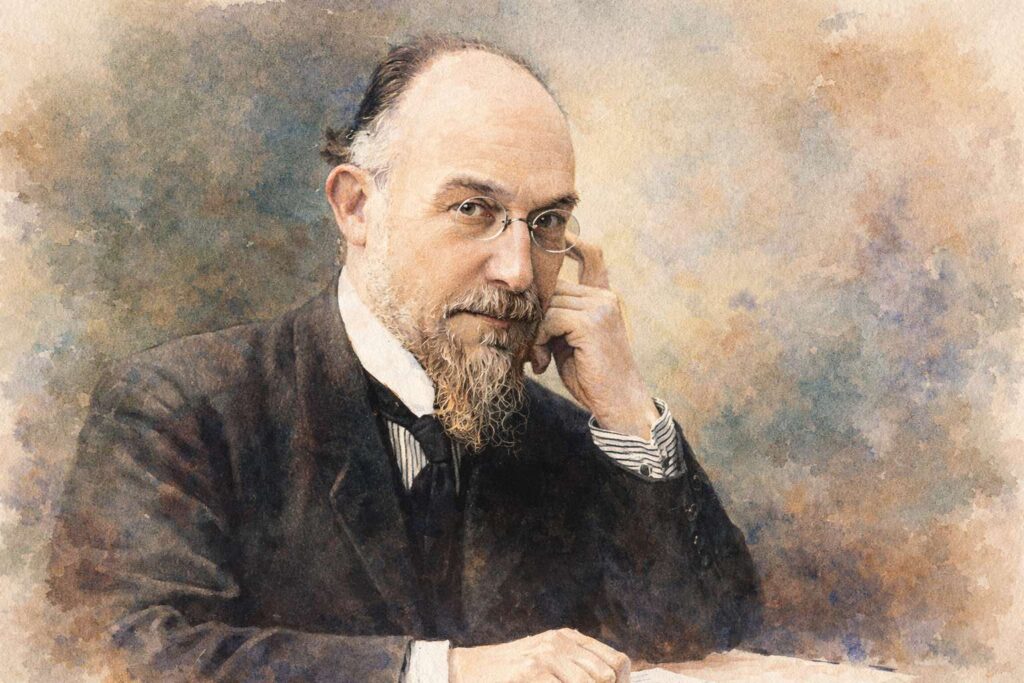
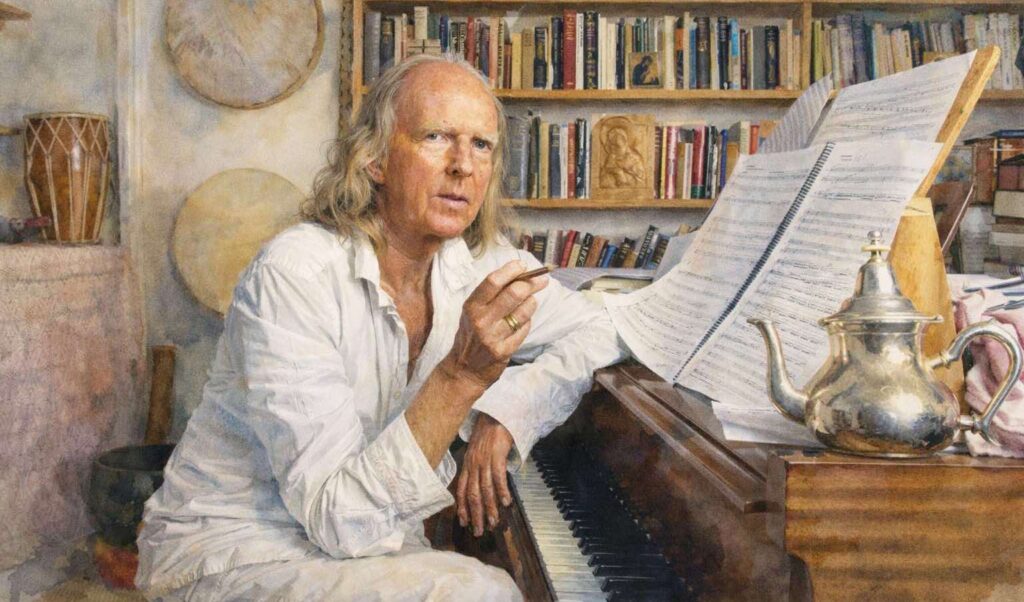
In the late nineteenth and early twentieth centuries, French music was a hotbed of innovation, yet few figures encapsulated the country’s artistic spirit more perfectly than Gabriel Fauré (12 May 1845 – 4 November 1924). Often described as “the most advanced composer of his generation in France,” Fauré’s output, spanning songs, piano works, chamber music, and sacred choral repertoire, served as a bridge between the late Romantic tradition and the nascent modernist language that would dominate the twentieth century. His understated elegance, harmonic daring, and a deep reverence for tradition earned him a reputation that persists in concert halls and studios worldwide.
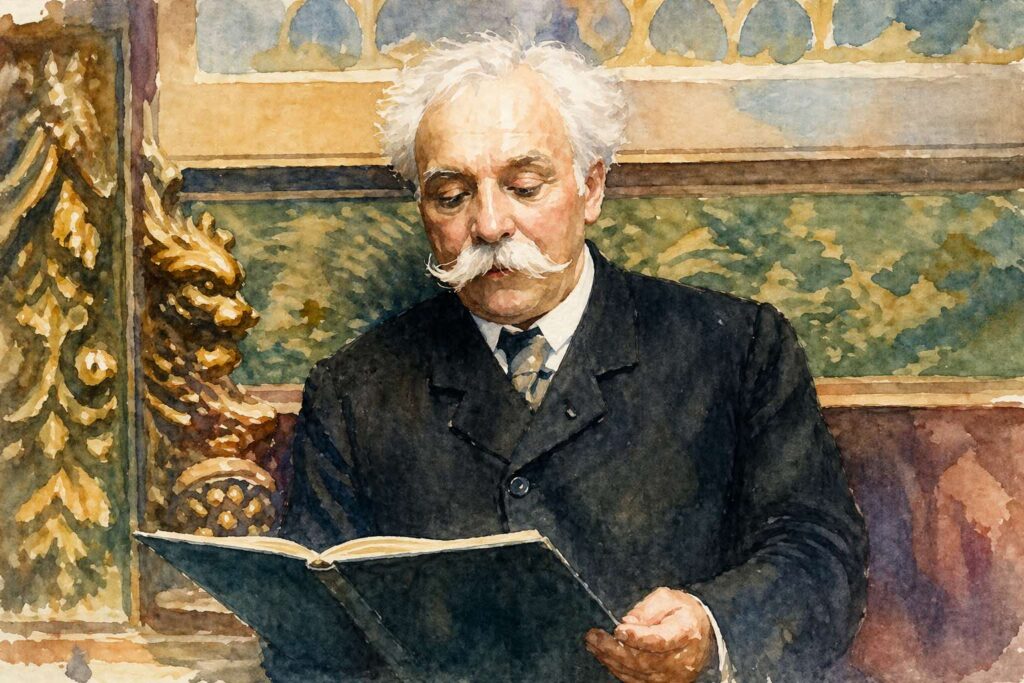
Early Years: From Pamiers to Parisian Conservatories
Born on 12 May 1845 in Pamiers, Ariège, Gabriel‑Urbain Fauré’s talent manifested at an astonishingly early age. A young boy, he caught the attention of Swiss composer‑teacher Louis Niedermeyer, who immediately accepted him into the École Niedermeyer in Paris. The institution specialized in church music, and it was there that Fauré cultivated a foundational appreciation for Gregorian chant, a source of his later “top‑down” melodic–harmonic approach.
At nine, Fauré was enrolled at this music school and, after eleven years of rigorous training, he graduated in 1865. That same year, he published his first known composition, the Cantique de Jean Racine, a choral miniature that would later become a staple for Classic FM listeners. His formative years were also marked by the mentorship of Camille Saint‑Saëns, a 25‑year‑old teacher who introduced Fauré to the works of Franz Liszt and Richard Wagner. While many French composers were drawn to Wagnerian leitmotifs, Fauré’s relationship with the Germanic style remained curious rather than imitative.
The Church as a Lifeboat and a Launchpad
Gabriel Fauré’s early professional life was deeply rooted in ecclesiastical music. He served as organist at the Church of Saint‑Sauveur in Rennes and later, in 1877, was appointed choirmaster at the fashionable Madeleine Church in Paris. These posts, while providing financial sustenance, also shaped his compositional voice. The Requiem (1887‑90), his magnum opus in sacred music, was initially conceived for a modest chamber ensemble and organ, yet its lush harmonies and dignified restraint earned it a place among the most performed works of the French choral repertoire.
Despite the demands of liturgical duty, Gabriel Fauré’s tenure at Madeleine spanned nearly twenty years, he found time for composition during summer retreats. It was during this period that he penned his most enduring piano pieces: the 13 nocturnes, 13 barcarolles, and 5 impromptus. Each work reflects a mastery of subtle harmonic progressions and a melodic elegance that would become his signature.
The Paris Conservatoire and Pedagogical Influence
In 1896, Fauré was appointed organist at La Madeleine and professor of composition at the Paris Conservatoire, a position that, while elevating his status, significantly reduced the time he could devote to writing. Nevertheless, his pedagogical impact cannot be overstated. He mentored a generation of composers who would go on to define the twentieth‑century French sound: Maurice Ravel, Georges Enesco, Nadia Boulanger, Roger‑Ducasse, Roger‑Ducasse, Koechlin, and many others.
Fauré was known for his impartiality: “I’m not biased in favour of any school,” he remarked, emphasizing that his teaching welcomed all musical viewpoints provided they emerged from sincere convictions. His emphasis on melodic clarity, harmonic nuance, and stylistic restraint helped mold a distinct French voice that balanced Romantic expressivity with modernist precision.
Musical Style: From Chant to Chromaticism
Gabriel Fauré’s harmonic language is perhaps best described as “top‑down”: the melody dictates the harmonic progression, a technique inherited from his study of Gregorian chant. This approach produced the haunting, almost dream‑like textures found in pieces such as Après un rêve (c. 1865) and Les Roses d’Ispahan (1884).
Yet, as his career progressed, Fauré’s style evolved. He explored sudden modulations, unexpected chordal turns, and a chromatic palette that hinted at atonality while remaining firmly tonal. His later works, such as the Piano Trio (D minor, 1922‑23) and the String Quartet (E minor, 1923‑24), demonstrated a “lean, muscular figure,” as music expert Martin Cooper observed, reflecting a composer who had absorbed the lessons of late Beethoven without succumbing to his intensity.
Personal Life: Love, Infidelities, and the “Cat”
Fauré’s personal life was as complex as his music. He married Marie Fremiet in 1883, a union more conventional than passionate, a pattern typical of Parisian society’s expectations at the time. Despite the marriage, Fauré’s heart remained vulnerable; his affairs, with the Spanish contralto Pauline Viardot’s daughter Marianne, the singer Emma Bardac, and later with pianist Marguerite Hasselmans, revealed a man sensitive to love and betrayal alike.
These emotional upheavals found expression in works like Après un rêve and the Élégie for cello and orchestra (1880), where grief and longing permeate the texture. In the face of such personal turbulence, Fauré maintained an almost stoic professional demeanor, insisting on “absolutely straight” performances of his music to preserve its intended effect.
The nickname “the cat” was an affectionate moniker used by Fauré’s contemporaries to describe his sleek, graceful manner and subtle sensuality, essentially, his elegant, cat‑like poise. It’s not a literal reference to a feline, nor is it related to any pet he owned. It’s simply a playful way his peers saw him: poised, agile, and a bit elusive, much like a cat.
Deafness and Late Productivity
From 1902 onward, Fauré began to experience auditory hallucinations and gradual hearing loss, a decline that reached a critical point in 1920 when he resigned from the Conservatoire. Yet, even as his ears failed him, his compositional output remained prolific. The Pavane, Sicilienne, and the Messe de requiem (although not immediately popular, it later became a staple) were all products of his late period. His final works, such as the Piano Quintet (C minor, 1919‑21) and the Second Cello Sonata (G minor, 1921), showcase a mature, nuanced understanding of form and harmony that continues to influence contemporary composers.
Legacy and Contemporary Relevance
Fauré’s death on 4 November 1924 from pneumonia marked the end of an era. Yet, his legacy endures in multiple ways:
- Influence on Modern French Music – Fauré’s harmonic innovations paved the way for composers like Debussy, Ravel, and the next generation of twentieth‑century voices.
- Pedagogical Impact – As a teacher at the Paris Conservatoire, his approaches to melody and harmony are still taught in music schools worldwide.
- Continued Performance – Works such as the Requiem, Pavane, and his piano nocturnes remain fixtures in concert programs, testifying to their lasting appeal.
In an age of digital streaming and globalized music consumption, Gabriel Fauré’s music offers a refined, contemplative alternative to the often flashy and fast-paced offerings that dominate playlists. His works invite listeners to pause, to savor, and to engage with the subtleties of harmony and melody, a counterbalance that remains essential in contemporary listening culture.
Final Thoughts on Gabriel Fauré
Gabriel Fauré’s life and music encapsulate the paradoxes that defined his era: tradition and innovation, restraint and sensuality, personal melancholy and public success. From the humble halls of the École Niedermeyer to the grand stage of La Madeleine, from the mentorship of Saint‑Saëns to the instruction of Ravel, Fauré’s fingerprints can be found in the very DNA of modern French music. His oeuvre, rich in songs, piano pieces, chamber works, and choral masterpieces, continues to resonate with audiences and musicians alike, proving that elegance, when combined with intellectual rigor, can stand the test of time.
Sources:
- Gabriel Fauré – Britanica
- Who Was Gabriel Fauré? A Brief Introduction – Chambermusicsociety
- Gabriel Fauré: A Life – Classicfm
- Gabriel Fauré – IMDB
- Gabriel Fauré – Wikipedia
#GabrielFauré #FrenchClassical #Requiem #PianoNocturne #ChoralMusic #MusicHistory #ClassicalMusic #Niedermeyer #Madeleine #ParisConservatoire #MusicTheory #Modernism #MusicEducation #NadiaBoulanger #MauriceRavel #MusicLovers