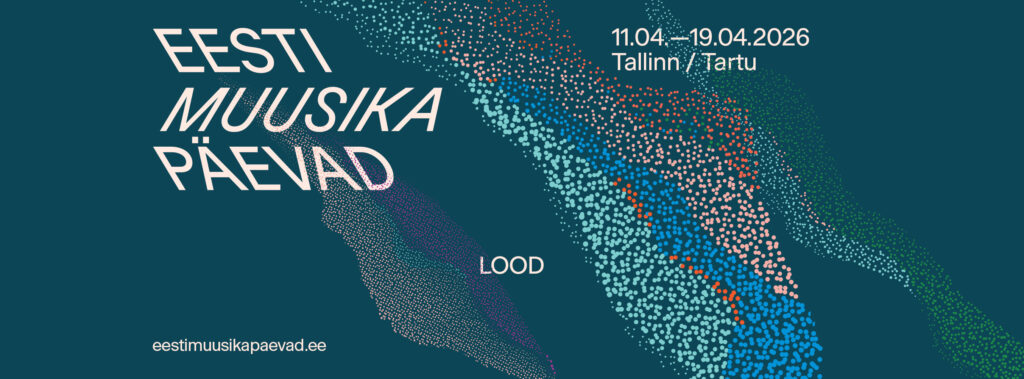
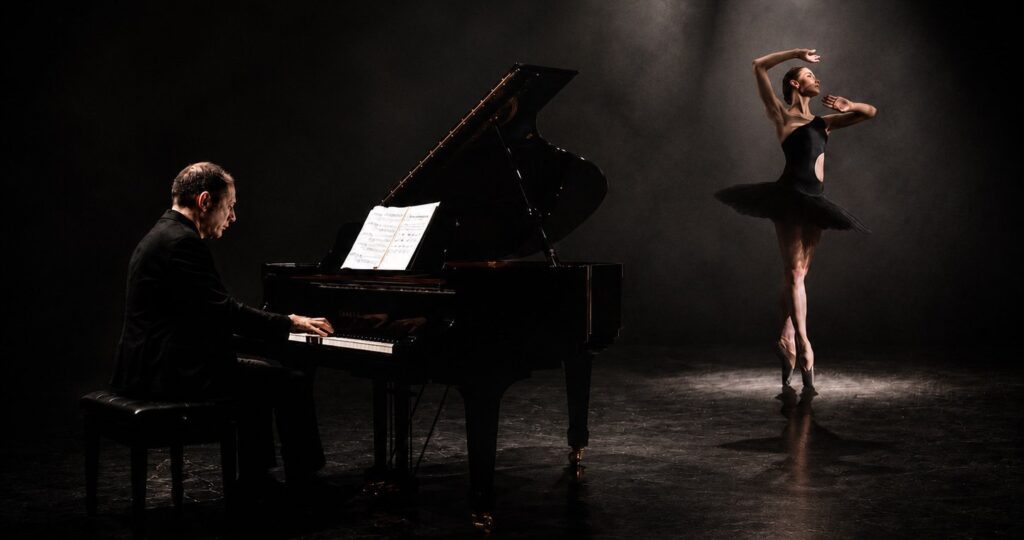
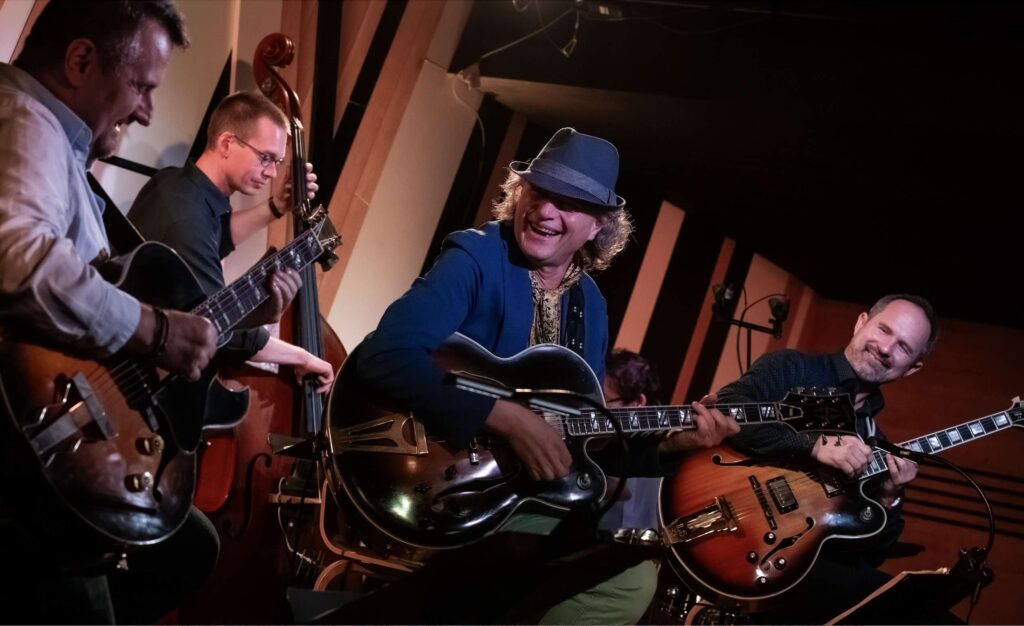
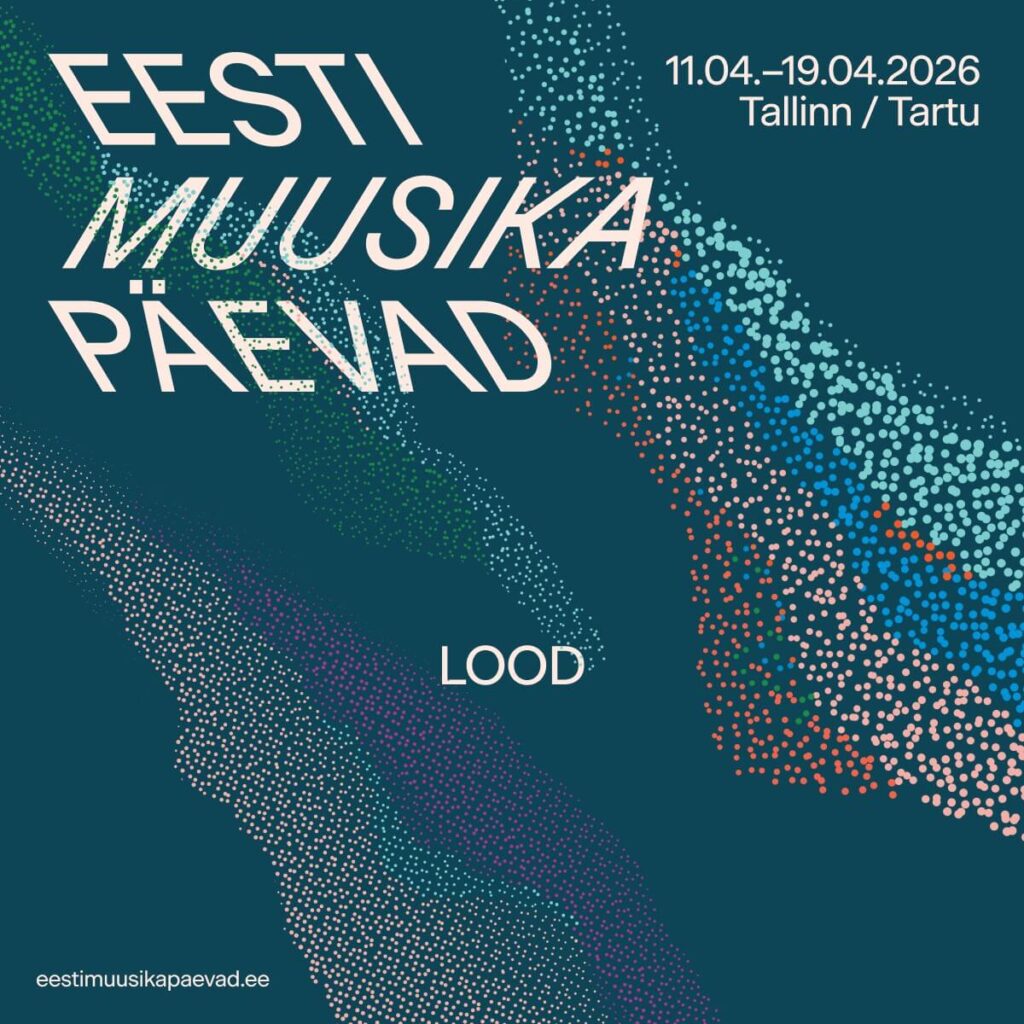
For the past 47 years the Estonian Composers’ Union has been the heartbeat of contemporary Estonian music, and the festival it organizes, Estonian Music Days (EMD), has become the world’s most reliable showcase for new works from our country. This year’s edition, running from Saturday, 11 April to Thursday, 23 April, promises to be the most diverse, politically conscious, and musically adventurous yet.
From Soviet‑era Resilience to Global Recognition
The festival’s origins lie in a period of cultural stagnation and Russification. “We needed a platform where new music could be performed, listened to, and discussed,” recalls former Union chairman Jaan Rääts. The first EMD was a bold act of cultural defiance, modeled after the avant‑garde‑heavy Warsaw Autumn. Since the 1991 re‑branding, the festival has never missed a spring, becoming the longest‑running music festival in Estonia and an essential passport for our composers into the world.
Artistic Vision
Helena Tulve and Timo Steiner, two of Estonia’s most celebrated contemporary composers, co‑direct the festival’s artistic vision. “The festival’s programme gives an overview of the current state of Estonian music. The entire festival is a surprise,” Tulve explains. “Most pieces are written especially for the festival, so we don’t know what to expect, the best idea is to be open to the unexpected.” Meanwhile, Timo Steiner has continued a tradition of bold programming, and Märt‑Matis Lill is steering the Tartu programme, ensuring a balanced dialogue between the capital and the university city.
The Program: A Snapshot
To see the full programm you can visit: eestimuusikapäevad.ee
| Day | Venue | Highlights |
|---|---|---|
| Saturday, 11 April | St. John’s Church, Tallinn | Ellerhein Girl’s Choir, plus works by Pärt, Tormis, Sisask |
| Club Hall | “Birth of Light” concert featuring Astra Irene Susi and Liis Jürgens | |
| Estonia Concert Hall | Panel discussion in English: “What is the Breeding Ground for New Music Theatre?” | |
| Sunday, 12 April | MUBA | String Quartet M4GNET’s latest program |
| House of Black Heads | “Estonian Music Abroad” – works by Estonian composers living overseas | |
| ECCM | “Freedom, Boundaries, and Sounds” – a debate on institutional support for young musicians | |
| Monday, 13 April | EAMT Concert Hall | New works by students of the Estonian Academy of Music & Theatre |
| Tuesday, 14 April | ECCM | “Residentuu:r 2026: Transmission. Communication. Media 3” – with animation artist Ülo Pikkov |
| Estonia National Opera | Ludensemble performance | |
| Wednesday, 15 April | Opera Chamber Hall | Broken Frames Syndicate’s “HELLO DARKNESS” featuring Tatjana Kozlova‑Johannes, Anna Thorvaldsdottir, and Michael Gordon |
| Thursday, 16 April | St. John’s Church | Estonian Philharmonic Chamber Choir & Icelandic Cantoque Ensemble |
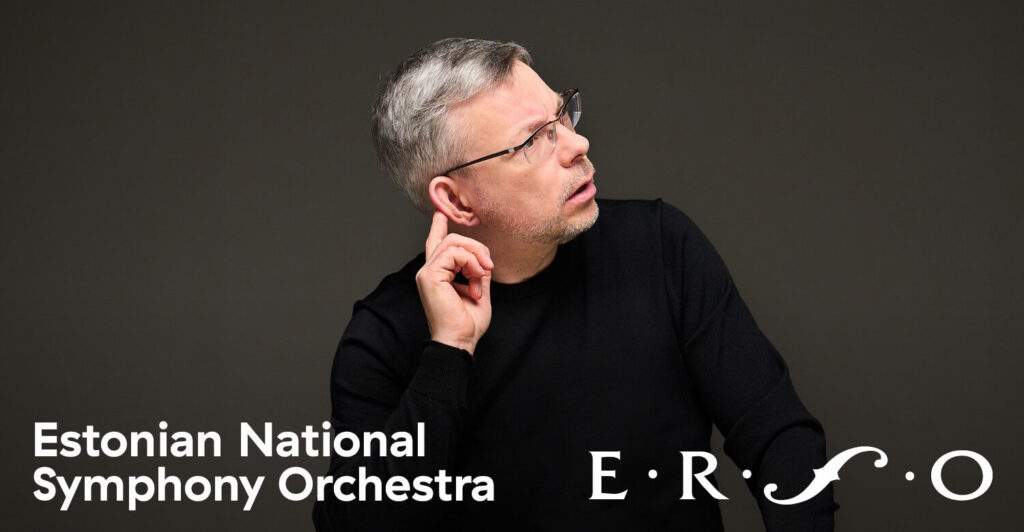
| Friday, 17 April | Estonia Concert Hall | Estonian National Symphony Orchestra – works by Tüür, Sumera, and contemporary composers |
| Saturday, 18 April | Tartu City Centre | City tour with composer‑storyteller Alo Põldmäe |
| Heino Eller College | “Young Composer” competition final | |
| University of Tartu | Quiet Music Ensemble (Ireland) in Tartu | |
| Tartu Writers’ House | “Stories in Word and Music” – dialogue between literature and music | |
| Sunday, 19 April | Tallinn | City tour with writer Jan Kaus |
| Arvo Pärt Centre | Quiet Music Ensemble – further collaboration with Ireland | |
| Heino Eller College | String Quartet M4GNET – bridging Tallinn and Tartu | |
| Thursday, 23 April | Erinevate Tubade Klubi | Wine‑cinema collaboration with Veinikino: “Serenades” – short films set to Estonian scores |
The festival’s programming is intentionally eclectic: from choir concerts and chamber music to panels on music theatre and institutional support, from student works to international collaborations. Every event is anchored in the idea that Estonian contemporary music is not only alive but also evolving and conversing with the wider world.
Why Estonian Music Days 2026 Matters
Eino Tamberg, who spoke about the inaugural festival in 1979, highlighted two core goals: presenting Estonian music to an international audience and using the festival as a diagnostic tool to refine the national repertoire. “The program includes works from earlier periods as well, such as top pieces that are unjustly rarely performed. At the same time, those works serve as comparison material when evaluating new compositions,” he said. These principles still guide EMD, making the festival a living laboratory where the past, present, and future of Estonian music collide.
For listeners, artists, and scholars alike, Estonian Music Days 2026 is a chance to:
- Discover new voices – many works are commissioned specifically for the festival.
- Engage with debate – panels cover everything from music theatre to the role of technology in composition.
- Experience the unexpected – as Tulve reminds us, the festival is a surprise; come open‑minded.
- Celebrate heritage – performances of works from previous generations offer a bridge to the past.
#EstonianMusicDays #EMD2026 #EstonianComposers #ContemporaryMusic #MusicFestival #TallinnMusic #TartuMusic #ArvoPärt #HelenaTulve #TimoSteiner #MärtMatisLill #MusicInnovation #MusicTheatre #NewMusic #MusicCulture #EstonianMusic #FestivalHighlights #MusicCommunity #WorldMusic #LiveMusic #MusicHistory #MusicFuture #CulturalHeritage #MusicTour #EstonianArts #MusicPanels #MusicCompetition #FilmAndMusic #WineCinema #Serenades #MusicAndLiterature #EstonianSymphony