In early 2026, Estonian audiences witnessed the arrival of an unexpected new musical figure: a six-year-old performer whose confidence, musical instinct, and natural stage presence captivated the nation. Teodor van Dijk, a young singer from Estonia with deep musical roots, became widely recognized after a remarkable appearance at the country’s national Independence Day concert.
Though still at the very beginning of his artistic life, Teodor van Dijk represents a fascinating intersection of family heritage, musical culture, and Estonia’s strong artistic education system. His sudden rise in the public eye highlights not only his own talent but also the environment that nurtures young musicians in Estonia.
A Musical Family Background
Teodor van Dijk was born into a family deeply connected to classical music. His mother, Kärt Ruubel, is an Estonian pianist active in concert performance and chamber music. His father, Xandi van Dijk, is an internationally active violist and conductor who has performed with orchestras and ensembles across Europe.
Growing up in such an environment means that music was not simply an extracurricular activity for Teodor, it was part of daily life. Musical instruments, rehearsals, and concerts would have formed the background of his childhood from the very beginning. In many cases of musical prodigies, this early exposure plays a crucial role: children absorb musical language the way they absorb speech.
For Teodor, music appears to have developed naturally through observation and participation rather than formal pressure. His early performances suggest a child who enjoys the stage and instinctively understands musical expression.
Breakthrough at Estonia’s Independence Day Concert
Teodor first captured national attention during the 2026 Independence Day gala concert, a major cultural event held annually in Tallinn and broadcast nationwide. The event commemorated the 108th anniversary of Estonian independence and featured numerous prominent artists.
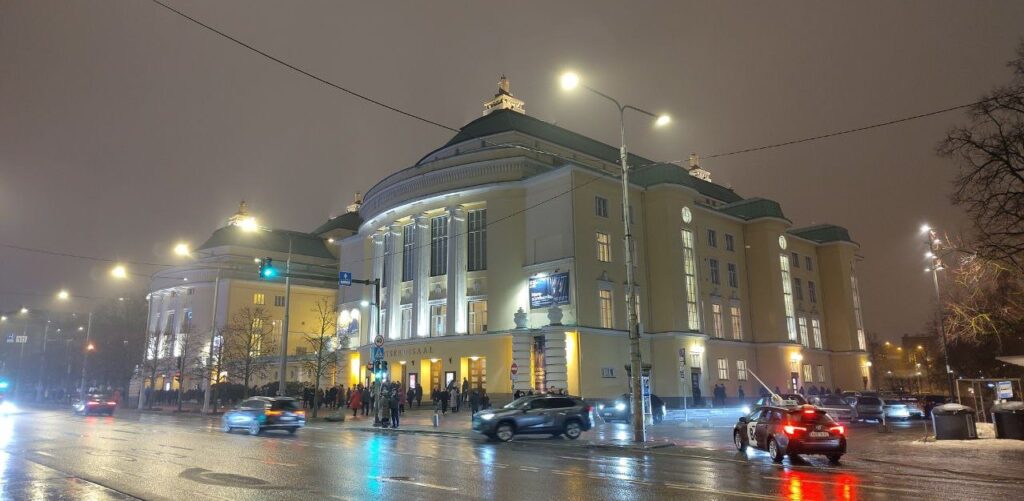
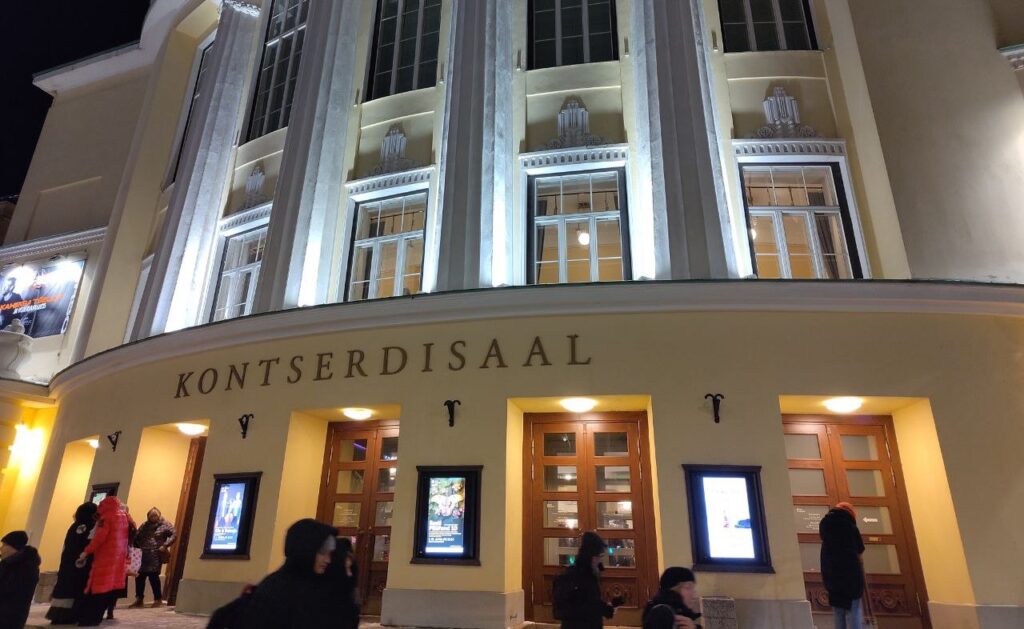
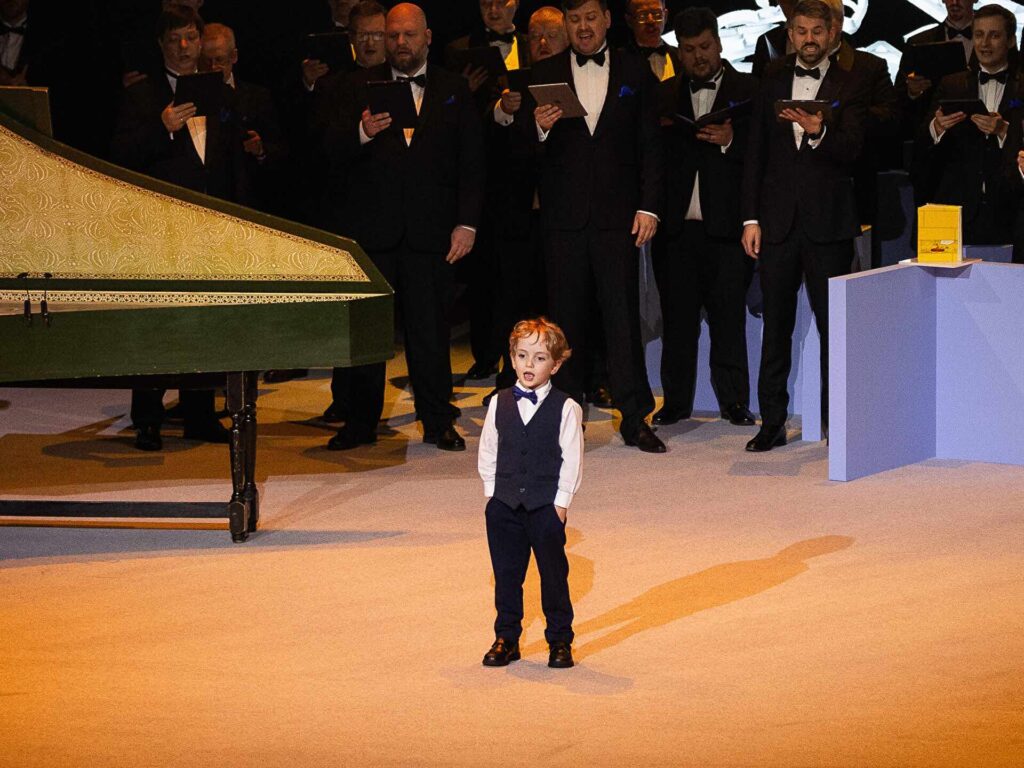
At just six years old, Teodor took the stage at the Estonia Theatre and performed the song “Õpetaja” by the Estonian band Genialistid.
He was accompanied by the Estonian National Male Choir and the Estonian Dream Big Band, an impressive musical context for a performer of any age.
Despite the scale of the occasion and the presence of the Estonian president Alar Karis, the young performer displayed remarkable composure. According to reports, Teodor admitted feeling nervous before stepping onto the stage, joking that performing in front of the president felt “awkward,” yet he managed to deliver the performance confidently.
The moment instantly became one of the most memorable highlights of the evening.
The Performance That Captured the Public
What made this performance remarkable was not simply the novelty of a young child appearing on such a stage. Rather, it was the combination of musicality and authenticity that audiences found striking.
Observers noted several qualities:
- Clear musical phrasing uncommon in children of his age
- Natural stage presence rather than rehearsed theatricality
- Emotional sincerity, which resonated strongly with viewers
The performance quickly spread across social media and online platforms, where many viewers described it as one of the most touching moments of the national celebration.
The boy’s ability to communicate emotion through a relatively complex song suggested an innate musical sensitivity.
Estonia’s Tradition of Young Musical Talent
Teodor van Dijk’s emergence should also be understood within the broader context of Estonia’s musical culture. Despite its small population, Estonia has produced a remarkable number of internationally recognized musicians and composers, including:
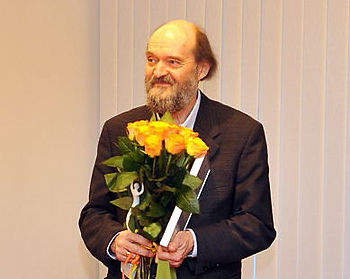
- Arvo Pärt
- Ester Mägi
- Paavo Järvi
- Lepo Sumera
The country’s music education system places strong emphasis on early training, choir culture, and instrumental study, allowing talented children to develop quickly within supportive institutional frameworks.
Young musicians often gain experience through:
- music schools and conservatories
- youth competitions and festivals
- participation in choirs and ensembles
Within this environment, gifted children sometimes reach public stages earlier than in many other countries.
What Makes a Musical Prodigy?
The term “prodigy” is often used loosely, but in music it usually describes a child who demonstrates advanced artistic understanding well beyond their age.
Typical characteristics include:
- Early mastery of musical memory
- Natural rhythmic and melodic intuition
- Comfort performing before audiences
- Strong emotional communication
While it is still too early to evaluate the long-term artistic direction of Teodor van Dijk, his first public appearance suggests that he possesses several of these traits.
The Road Ahead
At only six years old, Teodor van Dijk stands at the very beginning of his journey. Many child prodigies fade from public attention as they grow older, while others develop into major artistic figures.
The key factors that often determine the outcome include:
- balanced education and personal development
- supportive but non-exploitative mentorship
- gradual artistic growth rather than media pressure
If these elements remain in place, Teodor could become part of the next generation of Estonian musicians carrying the country’s cultural heritage forward.
A Symbol of Musical Continuity
Teodor van Dijk’s appearance at Estonia’s Independence Day concert was more than a charming moment involving a talented child. It symbolized something deeper: the continuity of musical culture across generations.
In Estonia, where music plays a profound role in national identity, from choir traditions to contemporary composition, each new young artist represents a thread in an ongoing cultural story.
For now, Teodor van Dijk remains simply a gifted child enjoying music. Yet his first appearance on the national stage has already demonstrated that even the youngest voices can leave a powerful impression.
#TeodorVanDijk #EstonianMusic #EstonianCulture #YoungProdigy #ChildProdigy #EstonianArtists #IndependenceDayConcert #EV108 #EstoniaTheatre #Genialistid #EstonianChoir #EstonianMusicScene #ClassicalMusic #YoungMusicians #MusicEducation #EstonianTalent #BalticCulture #MusicPerformance #CulturalEvents #FutureOfMusic