Busy parents seeking after-school options often face the same frustrating choice: programs that feel repetitive and passive, or an unplanned afternoon that slides into screens. When the hours after school lack variety and purpose, kids miss chances to explore interests, practice social skills, and build confidence through hands-on work. What matters isn’t filling time, it’s choosing creative children’s activities and engaging out-of-school programs that support child development through activities that fit real life. Diverse after-school experiences can turn the day’s “in-between” hours into a reliable spark for curiosity.
Turn Screen Time Into a Comic: Build Characters After School
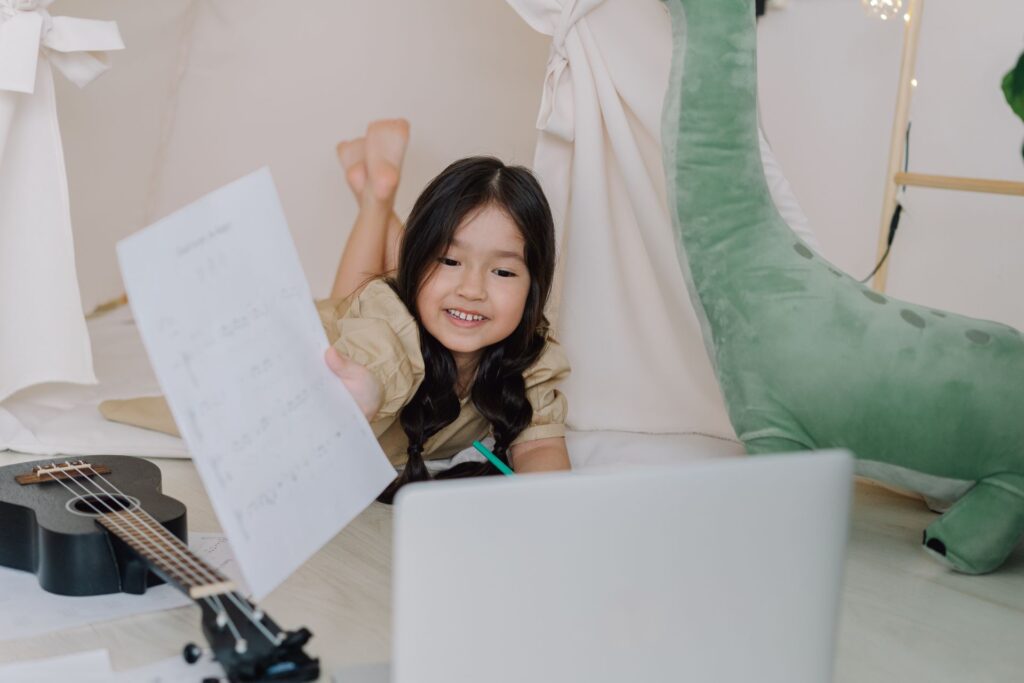
When kids are craving something fun but you still want it to feel meaningful, a small storytelling project can turn “just one more minute” into real imagination time. Encourage your child to use a cartoon generator to dream up playful characters and quick, light stories, like a one-panel joke or a mini comic, so they get a creative, screen-based break that also supports relaxation. An AI cartoon generator works as a fast creative tool: kids can type a text prompt (or start from a photo) and quickly transform it into custom cartoon-style images, and even short animated clips that bring their characters to life. If you want a simple place to start, you can learn more here to help you see what these tools can do.
After-School Options Compared at a Glance
This table compares a handful of creative after-school directions so you can match your child’s energy, interests, and attention span with the right kind of challenge. Picking well matters because consistent programs often help kids become stronger learners, stronger earners, stronger leaders, but each option comes with different setup and time demands.
| Option | Benefit | Best For | Consideration |
| Craft-based programs | Hands-on focus; fine-motor growth | Kids who like making tangible projects | Mess, supplies, and cleanup time |
| Visual arts (drawing, painting) | Self-expression; observation skills | Reflective kids who enjoy solo work | Progress can feel slow without guidance |
| Instrument lessons | Discipline; listening and coordination | Kids who like patterns and repetition | Practice routine required to improve |
| Language clubs or apps | Memory; cultural curiosity | Social kids who enjoy conversation | Consistency needed; pronunciation support helps |
| STEM experiments | Problem-solving; safe risk-taking | Tinkerers who ask “why?” often | Adult supervision and materials may be needed |
If your schedule is tight, choose the option with the lowest setup friction and the clearest weekly rhythm. If your child craves people-time, prioritize group-based formats over solo projects. Knowing which option fits best makes your next move clear.
Make Music Stick: Pick an Instrument and a Simple Practice Plan
When you weigh options side by side, music stands out for building focus and creativity at the same time. Add a music element after school, whether listening, singing, or learning an instrument, and keep it consistent with a simple practice plan that feels doable. Next, we’ll turn these ideas into a weekly routine kids actually follow.
Build a Weekly Routine Kids Actually Follow: 6 Simple Moves
Creative hobbies stick when the routine is easier than the excuses. Use these small, repeatable moves to make after-school creativity feel normal, like homework, dinner, and that simple music practice plan you’ve already built.
- Choose two “anchor days” and protect them: Pick 2 set days per week for creative time (for example, Tuesday and Thursday), and keep the rest flexible. A predictable schedule reduces negotiations and makes it easier for kids to mentally shift from school to hobbies. Keep each session short enough to finish, 30–45 minutes is often plenty, then let momentum grow over time.
- Start with one hour of kid-led “free choice” before you add structure: If your child is resisting, begin with unassigned creative time where they choose the activity and you simply set the boundary. Many programs that run full-day schedules still prioritize choice, and at least 60 minutes of free-choice time is a useful benchmark for building intrinsic motivation. Once the habit is established, you can add gentle structure like “10 minutes skill practice, 20 minutes making.”
- Create a “ready-to-go” supply station: Make creativity easy to start by storing essentials in one open bin or small shelf: paper, pencils/markers, tape, scissors, a sketchbook, and a simple craft material (like clay or recyclable building pieces). Add a small “tool mat” or tray so setup is one motion: pull out tray, begin. This supports facilitating after-school activities because the barrier isn’t permission, it’s access.
- Use a one-project-at-a-time rule with a parking lot: Kids abandon creative projects when the table gets crowded and the plan gets fuzzy. Keep one active project in a labeled folder/box, then create a “parking lot” list for future ideas (two columns: Materials Needed and First Step). The list encourages children’s creativity without letting inspiration turn into unfinished clutter.
- Make goals tiny and visible (and pair them with a reset ritual): For music, the goal might be “play the chorus twice.” For art, it could be “draw five faces” or “finish the background.” Post the goal on a sticky note, then end with a two-minute reset: cap markers, stack papers, put the project back in its box. This turns motivation into follow-through and makes tomorrow’s start frictionless.
- Plan “show-and-tell” moments, not perfection: Choose one low-pressure sharing point each week: a 30-second performance after dinner, a drawing on the fridge, or a photo sent to a grandparent. Ask specific questions (“What part was hardest?” “What would you try differently?”) to reinforce growth. When kids see their work matter, scheduling children’s hobbies stops feeling like a chore and starts feeling like identity.
Expanding Horizons Through One Consistent After-School Adventure
It’s easy for afternoons to default to the same familiar choices, even when a child is craving something more engaging. The answer isn’t packing the calendar; it’s taking an experimental mindset, sampling alternative after-school options and supporting them with simple routines that make follow-through realistic. Over time, the benefits of diverse activities show up as stronger confidence, broader skills, and more self-directed curiosity that carries into school and friendships. Small experiments, repeated, build creative youth development that lasts.