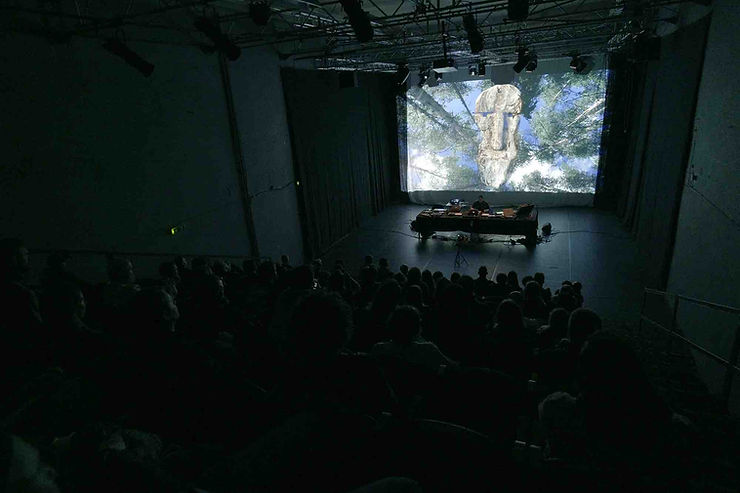
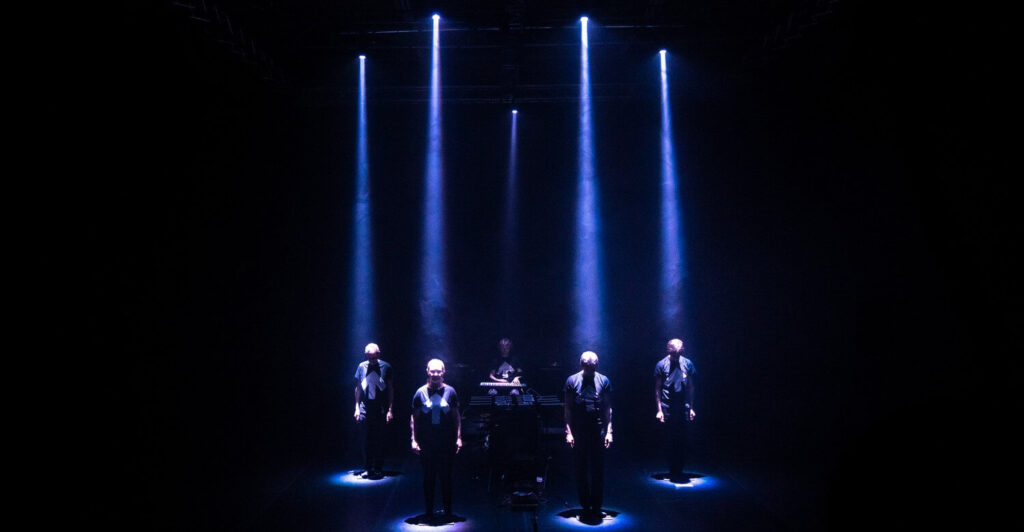
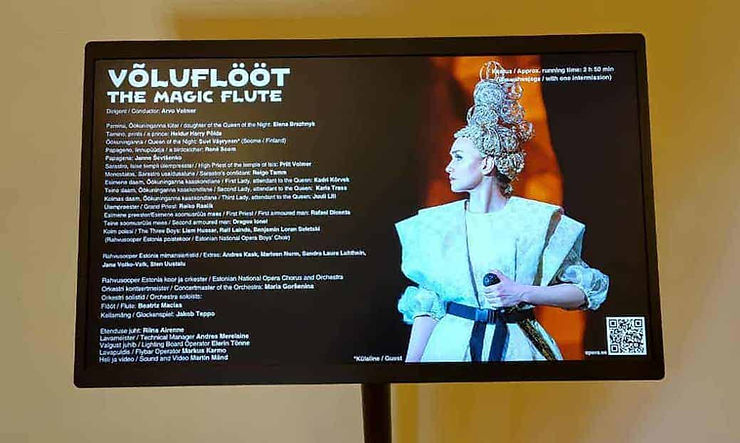
Last night I attended another concert at the Estonia Concert Hall (Kontserdisaal): Eight Cellos and Vox Clamantis, featuring works by Arvo Pärt and Philip Glass. The concert was part of the Audiospaa (Sound Spa) series, a programme generally associated with calm, meditative music and minimalist sound worlds. That expectation held true for most of the evening, though it came with one surprise I certainly didn’t see coming, which I’ll return to at the end.
Arvo Pärt: When Silence Speaks Louder Than Sound
The first part of the concert was devoted entirely to Arvo Pärt, with three works performed by eight cellos and the vocal ensemble Vox Clamantis. This combination proved to be an ideal vessel for Pärt’s music. The dark, resonant body of the cellos paired beautifully with the clarity and purity of the voices, allowing the music to breathe exactly as it should.
As Pärt himself has famously said, music lives in silence, and in last night’s performance, the silence was louder than ever. That said, it was hard not to be distracted by the persistent coughing from the audience. When music unfolds at such a soft dynamic, especially piano or pianissimo, even a single cough can feel like a fortissimo intrusion. At times, it felt as if an unintended orchestra of coughing audience was competing with the performers on stage.
Still, despite this irritation, I found myself deeply moved by the arrangements. Perhaps that comes from my love for the instrument cello itself, after all, what ensemble could be more compelling than eight cellos exploring the sound world of one of my favourite composers? The warmth, depth, and gravity of the instrument seemed perfectly aligned with Pärt’s spiritual and contemplative language.
Philip Glass: From Estonian Silence to Urban Motion
The concert ran without an intermission, understandable, given its one-hour duration, so we moved seamlessly from Pärt into the music of Philip Glass.
Where Pärt’s music dwells in silence, long legato lines, and suspended time—evoking infinite white landscapes and the stillness of Estonian nature—Glass’s music is built on motion. Short, repetitive phrases and persistent ostinatos conjure images of New York, or any large city in constant movement. This contrast was one of the most compelling aspects of the programme.
Because the concert was part of the Audiospaa series, the selected Glass works leaned toward his smoother, more meditative side. Once again, the ensemble sound was remarkably effective, and the eight cellos handled Glass’s rhythmic language with precision and clarity.
Akhnaten: The Unexpected Blow
Some critics like Robert Greenberg, have claimed that Philip Glass wrote only one truly great work, often pointing to his First Violin Concerto. I couldn’t disagree more. I’ve long admired Glass’s music, from his widely known film scores (The Hours, the Qatsi trilogy) to his piano études and large-scale symphonic works.
Yet for me, one piece stands above the rest: Akhnaten. This monumental opera-symphonic work, telling the story of Amenhotep III, Akhenaten, and Queen Nefertiti, is one of Glass’s most powerful and dramatic achievements.
That’s why the final piece of the night caught me completely off guard. Attack and Fall—the second scene of Act III from Akhnaten—closed the concert. I must admit, I had overlooked it in the programme. Given the context of the Sound Spa series, I never imagined such a tense, sharp, and aggressive piece would be included. But for me, it was an extraordinary surprise.
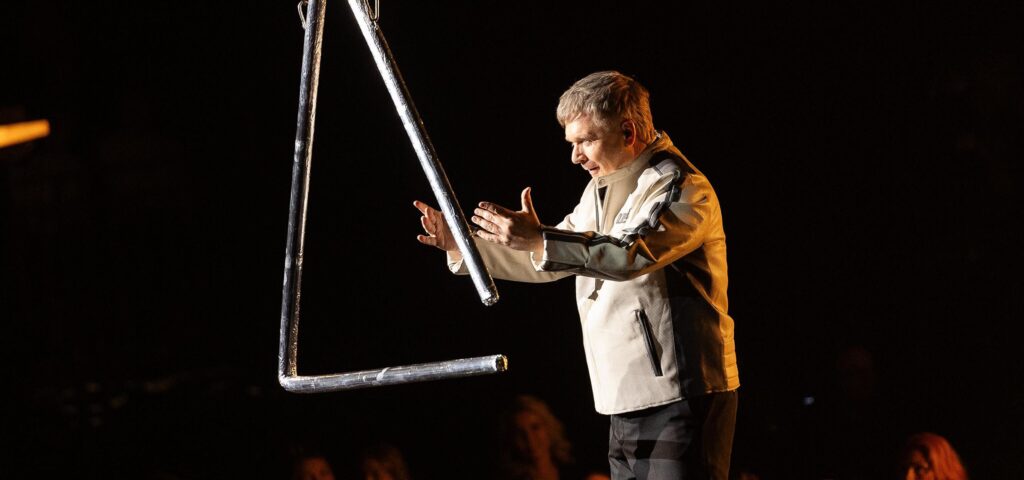
Originally written for full orchestra and choir, the arrangement for eight cellos and a small choral ensemble was intelligently crafted, though it inevitably couldn’t deliver the full sonic weight of the original. As the tension escalated, I found myself missing the piercing shrieks of high woodwinds, those cutting frequencies that make the original version so physically unsettling. A small percussion setup and a keyboard player joined the ensemble for this piece, which helped significantly in building momentum and intensity.
For those who are not familiar with the piece, I embed my favorite performance of it by Stuttgart State Opera here and I suggest to go an listen to the full work if you haven’t alreay. This is one of the most amazing piece in the contemporary music scene.
In the end, while it may not have been ground-shaking in the way the full orchestral version is meant to be, hearing Attack and Fall live—especially in this unexpected context—was deeply satisfying. It shattered the calm surface of the evening and reminded us that minimalism, too, can burn.
#TallinnConcerts #TallinnEvents #EstoniaConcertHall #Audiospaa #SoundSpaSeries #ArvoPärt #PhilipGlass #Akhnaten #VoxClamantis #EightCellos #MinimalistMusic #ContemporaryClassical #LiveClassicalMusic #EstonianMusic #ERSO #Tunitemusic