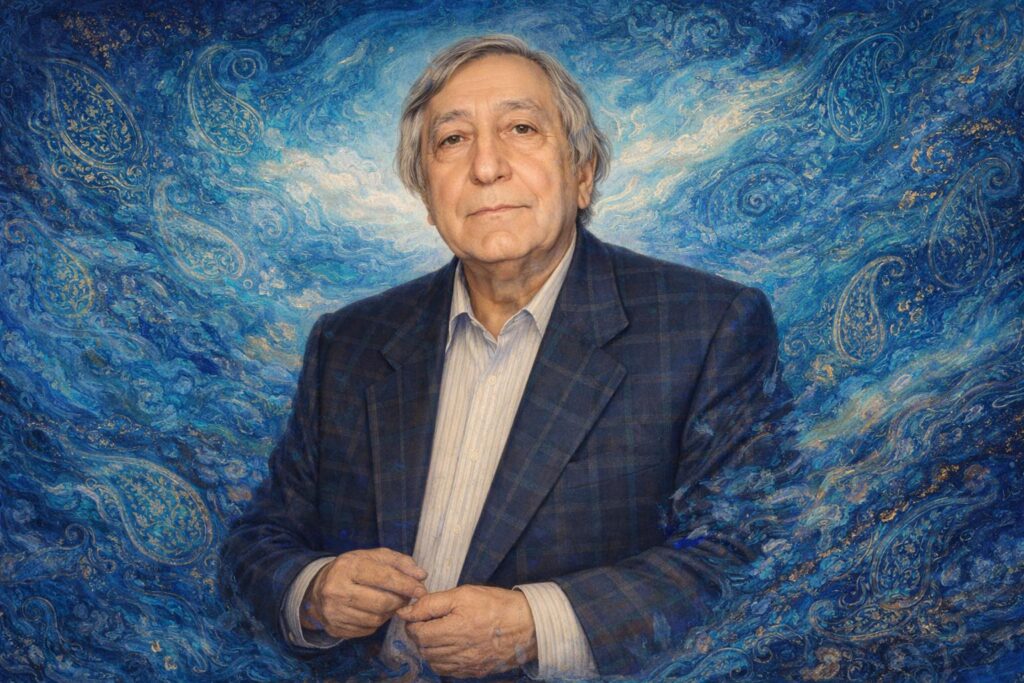
Artur Kapp (28 February 1878 – 14 January 1952) is often regarded as the architect of Estonian classical music. He blended the melodic clarity of Russian conservatory training with the rhythmic vitality of Estonian folk traditions, creating a uniquely national style that shaped Estonia’s musical identity in the first half of the 20th century.
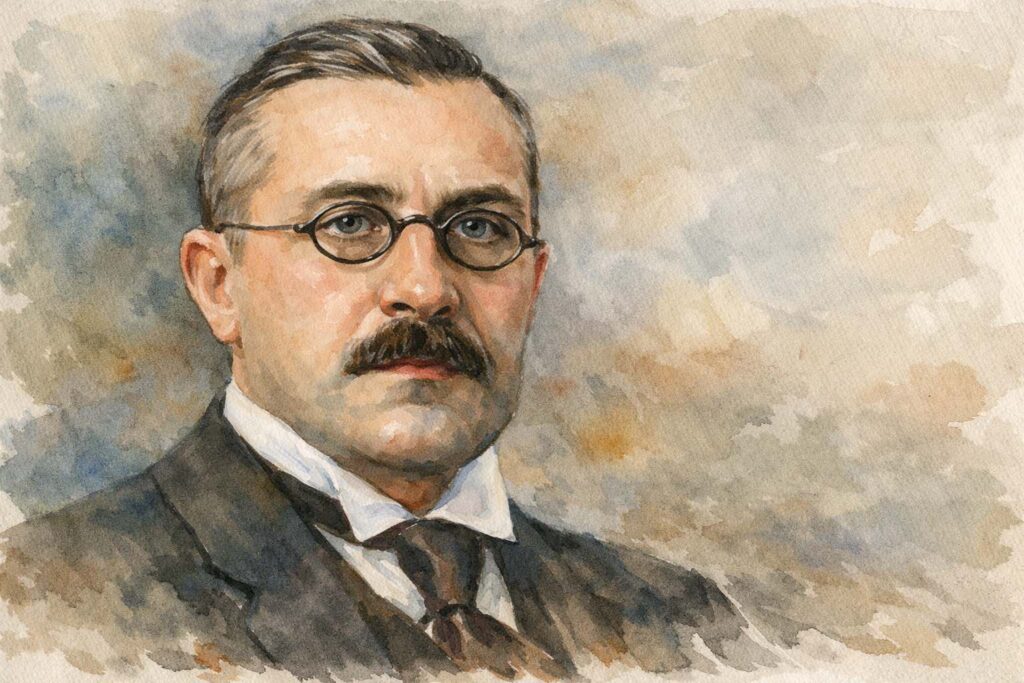
Artur Kapp’s output spans over symphonies, operas, choral works, and songs. He is best remembered for his Symphonic Suite “Kalevipoeg” (1933) and the operas “Alfred” (1922) and “Ala Põlde Lõunamõis” (1926), works that remain staples in Estonian concert halls.
Early Life, Education and First Musical Influences
| Phase | Details |
|---|---|
| Family & Childhood | Son of a teacher and a music-loving mother. From age 6, he played the violin in a local ensemble. The family’s modest means made early formal training impossible, but the children’s choir at Tallinn’s St. John’s Church exposed him to choral repertoire. |
| Formal Training | 1901–1906: St. Petersburg Conservatory (now Lomonosov Moscow State). He studied under Nikolai Rimsky‑Korsakov (orchestration) and Alexander Glazunov (composition). The Conservatory’s emphasis on orchestral colour and symphonic form left a lasting imprint. |
| Cultural Influences | • Russian Imperial style – masterful orchestration, late Romantic harmonic language. • Estonian folk melodies – from his childhood experiences, later integrated into his works. • Nationalist wave – like contemporaries in Finland and Latvia, Kapp sought a national idiom. |
Artistic Maturity
1. Return to Estonia (1906–1910)
After graduation, Kapp returned to Tallinn, where he:
- Conducted the Tallinn Philharmonic (1910‑1914).
- Began writing symphonic sketches and choral pieces rooted in Estonian themes.
2. Foundation of the Estonian National Opera (1928)
Kapp was a key architect of the new opera house, serving as its artistic director until 1938. His leadership facilitated the staging of Estonian operas and the creation of a national repertoire.
3. Teaching and Mentorship
He held a professorship at the Tallinn Conservatory (1921–1945), mentoring future giants such as Arvo Pärt (though Pärt came later) and Paul Sacher. Kapp’s curriculum emphasized both technical mastery and nationalistic expression.
4. World War II and Soviet Era (1940–1961)
During the Soviet occupation, Kapp navigated the complex political landscape, securing the Estonian National Symphony Orchestra (1940) and preserving Estonian musical identity within the Soviet framework.
Importance in Estonian Music History
- Bridge between Russian and Estonian Traditions – Kapp’s training in St. Petersburg gave him access to high orchestral techniques, which he blended with local folk motifs, forging a national idiom.
- Institution Building – Founding the National Opera and leading the National Symphony Orchestra established permanent platforms for Estonian music.
- Pedagogical Legacy – His students, especially those who went on to compose during the Soviet era, carried forward his nationalistic ethos.
- Cultural Preservation – Through choral works like “Eesti Vabastuskirju” (Estonian Liberation Songs), Kapp safeguarded folk melodies for future generations.
Greatest Works
| Year | Genre | Title | Notes |
|---|---|---|---|
| 1912 | Symphony | Symphony No. 1 in G‑major | Early symphonic style, heavy Russian influence. |
| 1922 | Opera | “Alfred” | Based on a play by Estonian playwright. |
| 1926 | Opera | “Ala Põlde Lõunamõis” | A folk‑drama, first Estonian opera in modern times. |
| 1933 | Symphonic Suite | “Kalevipoeg” | Epic narrative derived from Estonian mythology. |
| 1936 | Chamber | Violin Concerto | Celebrated for lyrical melodic lines. |
| 1940 | Choral | “Eesti Vabastuskirju” | Collection of patriotic songs. |
| 1944 | Symphony | Symphony No. 3 “Linnavalla” | Reflects wartime sentiment. |
| 1957 | Operetta | “Aegunud Rist” | Lighthearted, yet richly orchestrated. |
Note: Kapp’s catalog is extensive; these selections represent his most frequently performed pieces in Estonia.
Composition Style and Techniques
- Orchestration
- Mastery of instrumental colour; inspired by Rimsky‑Korsakov’s “Rainbow” technique.
- Clear, transparent textures in the strings; bright brass fanfares in chorale sections.
- Harmonic Language
- Late Romantic harmonic progressions softened by modal inflections from folk music.
- Use of pentatonic scales and modal cadences typical of Estonian folk tunes.
- Melody
- Long, singing melodic lines with rhythmic syncopation mirroring Estonian dance rhythms.
- Frequent use of folk motifs (e.g., Kalevipoeg theme) as thematic material.
- Form
- Conventional symphonic and operatic structures (sonata‑allegro, theme‑variations).
- Incorporation of “episode” sections to mirror folk storytelling.
- Choral Writing
- Emphasis on clear text setting, with homophonic and contrapuntal passages that highlight the lyricism of Estonian language.
Influence on Other Composers
| Composer | Connection | Impact |
|---|---|---|
| Arvo Pärt | Student of Kapp (early years). | Pärt absorbed Kapp’s sense of lyrical clarity and national sentiment, though he later developed tintinnabuli style. |
| Leif Björk | Contemporary and colleague. | Björk’s operas display Kapp’s structural discipline and nationalistic inspiration. |
| Paul Sacher | Kapp’s friend; Sacher later became a major patron of contemporary music. | Kapp’s institutional leadership models for music administration. |
Kapp’s teaching philosophy “honour the folk, polish with technique” echoed throughout Estonian music education for decades.
Why Artur Kapp Is Important
- National Identity Builder: He helped codify Estonian music as a cultural product distinct from Russian dominance.
- Institutional Pioneer: By founding major cultural institutions, he ensured that Estonian music would have venues and platforms for generations.
- Stylistic Synthesizer: Kapp’s blend of late Romantic orchestration with folk idioms set a precedent that many later composers followed.
- Pedagogical Influence: His students carried his principles into contemporary works, keeping the Estonian voice alive in the 20th century and beyond.
Final Thoughts
Artur Kapp stands as a towering figure in Estonia’s musical narrative. His life spanned a period of intense national awakening, two world wars, and Soviet occupation. Despite shifting political landscapes, he remained steadfast in his mission: to elevate Estonian music to the same artistic heights enjoyed by its European peers.
Kapp’s legacy is twofold: the sound of his compositions, a fusion of the emotional depth of Romanticism and the spirited simplicity of Estonian folk, and the structures he built, national opera and symphony orchestras that continue to flourish. As modern audiences and composers revisit his works, Kapp’s voice remains a reminder of Estonia’s cultural resilience.
Sources:
#ArturKapp #EstonianMusic #BalticComposer #NationalOpera #SymphonicSuite #EstonianFolk #MusicHistory #CulturalHeritage #EstonianIdentity #MusicEducation #ArvoPärt #RimskyKorsakov #SymphonicTradition #MusicLovers