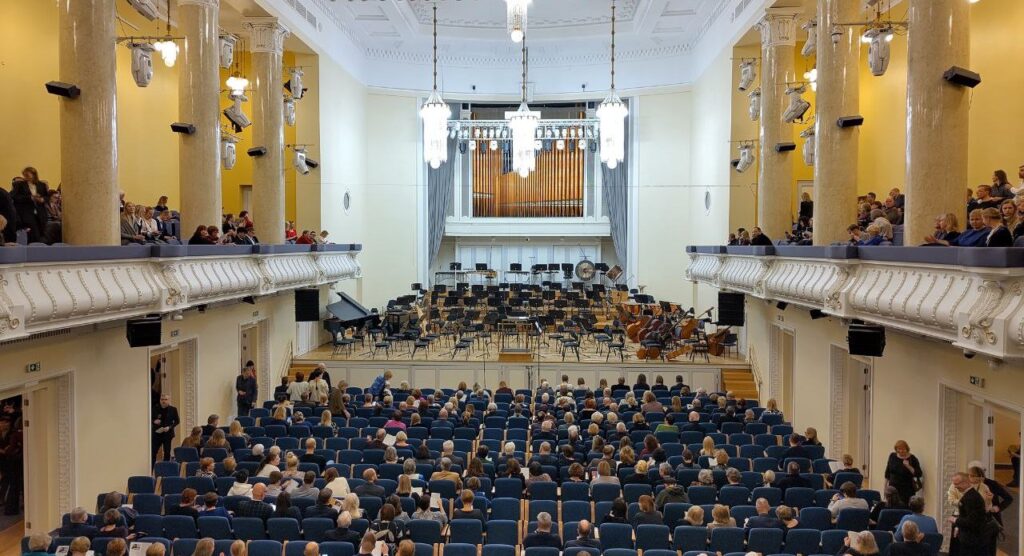
Tallinn’s cultural scene is on the brink of a seismic shift. The Estonian National Symphony Orchestra (ERSO) and the Estonian Philharmonic Chamber Choir have long clamoured for a venue that can truly showcase their talent, yet the city’s current facilities still feel like a relic of a bygone era. The urgency was laid bare this week when Mayor Peeter Raudsepp floated the bold idea of tearing down the iconic Linnahall to erect a modern concert hall that would be “a cultural hub open during the day for city residents and tourists.”
Source: ERR
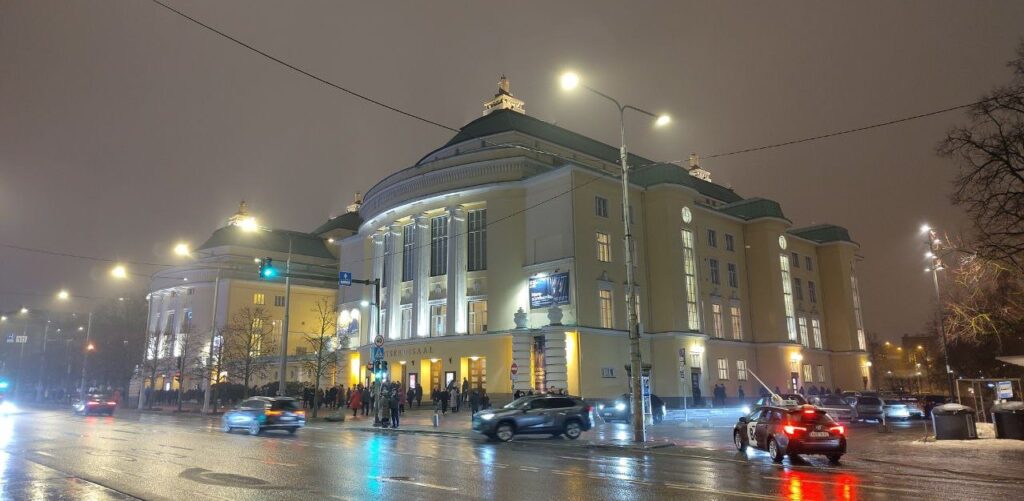
Why the Current Space Falls Short
Kristjan Hallik, ERSO’s director, spoke with unmistakable conviction at a press briefing. He outlined a litany of shortcomings at the Estonia Concert Hall: a stage too small for grand works, a volume that stifles the richness of 200‑year‑old symphonies, and onstage “background noise” that hampers musicians’ ability to hear each other. Even the rehearsal spaces are woefully inadequate, he added, threatening the ensemble’s long‑term development.
The choir’s situation is no different. Hallik highlighted the absence of rehearsal rooms, practice classrooms, and a venue that meets the acoustic demands of vocal music. “We’re working with the best talents in the country, but the infrastructure just doesn’t keep pace,” he said.
A Controversial Proposal
Raudsepp’s suggestion, demolishing the Linnahall, a 1970s architectural landmark, has already ignited debate among heritage advocates. The building is considered a valuable piece of Tallinn’s architectural tapestry, and any move to remove it will trigger intense public scrutiny. Nonetheless, Hallik points to a potential compromise: the ice‑hall section of Linnahall is spacious enough to host both a concert venue and a suite of rehearsal studios. “A concert hall with modern dimensions would make it easier to perform large‑scale works and organize concerts combining different art forms,” he explains.
The Bigger Picture
Hallik draws a regional comparison that underscores Estonia’s lag behind its Baltic neighbors. Warsaw, Vilnius and Riga are all building representative concert halls that meet contemporary acoustic standards. “We’re in a fairly similar situation to Latvia, Lithuania and Poland, outside the capitals, these countries have several good concert halls, but their capitals lack a representative hall that meets modern requirements,” he notes. In Tallinn, the absence of a modern symphonic venue is stunting the growth of ERSO and the choir, which are national flagships in the cultural landscape.
He also warns that the ongoing expansion of the Estonian National Opera will not alleviate the space crisis. Opera houses are “generally filled with their own activities, meaning performances by other ensembles are exceptional,” he said. “A good opera house and a good symphonic concert hall also require different acoustic solutions.”
The Stakes for Estonia’s Future
A new, acoustically superior concert hall could become a national landmark, an emblem of Estonia’s cultural ambition. It would support the orchestra’s ambition to collaborate with top conductors and soloists, broaden audience engagement, and give young Estonian musicians a reason to return home after studying abroad. The potential to create a versatile, technology‑ready environment could also foster experimental concert formats and programs designed to attract new listeners.
The debate is now set: will Tallinn sacrifice a piece of its architectural heritage for a modern acoustic masterpiece? The outcome will shape not only the city’s cultural identity but also the very soundscape of Estonia for decades to come.
#EstonianSymphony #LinnahallFuture #TallinnMusic #ConcertHallReform #CulturalHeritage #BalticMusic #ERSO #PhilharmonicChoir #EstoniaCulture #MusicNews