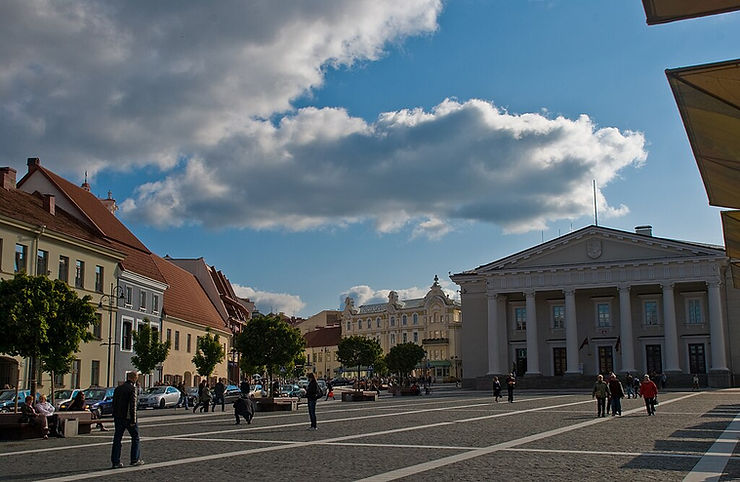
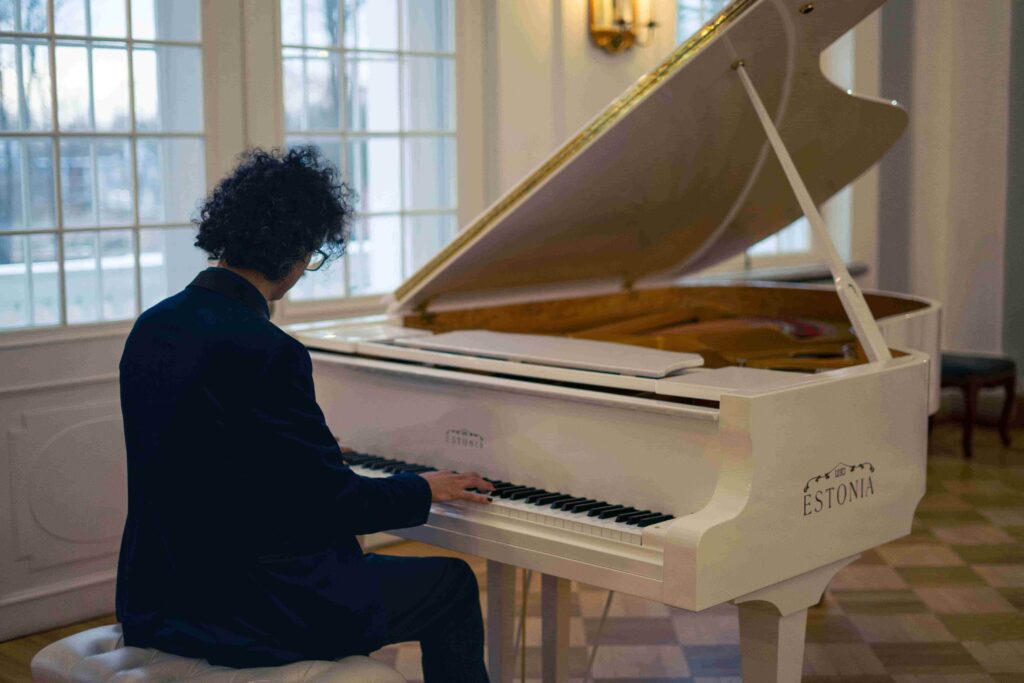
On this 24 February, as Estonia celebrates its Vabariigi aastapäev — the anniversary of independence — we honor the enduring spirit of the nation through Estonia’s National Anthem: “Mu isamaa, mu õnn ja rõõm” (“My Fatherland, My Happiness and Joy”).
Though first performed in 1869 at the inaugural Estonian Song Festival amid the burgeoning National Awakening, the anthem’s earliest vocal recording dates to 1908, sung by Otto Bachmann in Tallinn, a historic sonic preservation of Estonia’s identity in sound.
The words were penned by Johann Voldemar Jannsen, a pivotal figure in Estonia’s cultural awakening, and set to a stirring 1848 melody composed by Fredrik Pacius, a tune shared with Finland’s own anthem Maamme, yet reimagined in Estonian with its own soul.
Mu isamaa, mu õnn ja rõõm — Estonia’s National Anthem Lyrics
| Estonian Original | Literal English Translation |
|---|---|
| Mu isamaa, mu õnn ja rõõm, kui kaunis oled sa! Ei leia mina iial teal see suure, laia ilma peal, mis mul nii armas oleks ka, kui sa, mu isamaa! | My fatherland, my joy and happiness, How beautiful you are! I shall not find such ever In this huge wide world Which would be so dear to me As you, my fatherland! |
| Sa oled mind ju sünnitand ja üles kasvatand; sind tänan mina alati ja jään sull’ truuiks surmani, mul kõige armsam oled sa, mu kallis isamaa! | You have given me birth And raised me up; I shall thank you always And remain faithful to you ’til death, To me most beloved are you, My precious fatherland! |
| Su üle Jumal valvaku mu armas isamaa! Ta olgu sinu kaitseja ja võtku rohkest õnnista, mis iial ette võtad sa, mu kallis isamaa! | May God watch over you, My precious fatherland! Let Him be your defender And provide bountiful blessings For whatever you undertake, My precious fatherland! |
Note: This translation emphasizes direct meaning over poetic structure to reflect the anthem’s heartfelt message as closely as possible.
A Song That Became a Nation
“Mu isamaa, mu õnn ja rõõm” quickly grew from a choral piece into a national symbol. First sung to mass audiences at the Song Festival, it captured the longing for cultural unity and self-determination under empire.
Officially adopted as the Estonia’s National Anthem in 1920, just after the War of Independence, it remained a sacred emblem of identity through occupation and repression, only to be readopted in 1990 as freedom was restored.
The 1908 recording we celebrate today is more than a piece of audio history, it is a window into how Estonians preserved their voice, their culture, and their freedom in every note and every word.
Estonia #Eesti #VabariigiAastapäev #EestiVabariik #24Veebruar #EestiHümn #MuIsamaaMuÕnnJaRõõm #EstonianMusic #EestiMuusika #EstonianCulture #EestiKultuur #RahvuslikÄrkamine #EstonianHistory #EestiAjalugu #Laulupidu #EstonianChoralMusic #BalticMusic #NationalAnthem #HistoricalRecording #MusicHeritage #CulturalIdentity #FreedomCelebration #IndependenceDay #Tunitemusic